

Why Do I Bite My Tongue When I Sleep? Waking up with a sore, swollen, or bleeding tongue is more common than most people realize — and it’s rarely random. Most nighttime tongue biting happens because of teeth grinding and clenching (bruxism), often made worse by stress, sleep apnea, or a bite that doesn’t quite line up.
In less common cases, it can point to something that needs medical attention, like nighttime seizures.
This guide walks through every major cause, how to tell them apart, practical ways to stop it, and the specific warning signs that mean it’s time to see a professional.
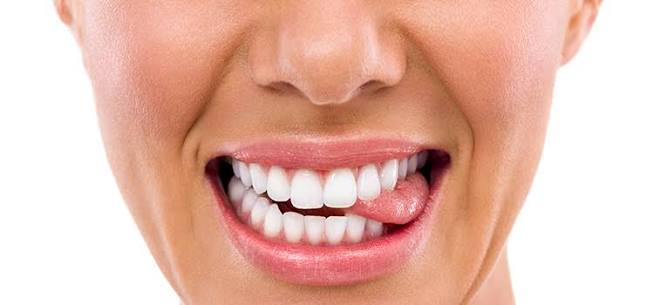
You most likely bite your tongue in your sleep because of bruxism — involuntary teeth grinding or clenching that traps the tongue between the teeth. Other common contributors include obstructive sleep apnea, stress and anxiety, misaligned teeth, certain medications, and REM sleep behavior disorder. Frequent, severe, or side/back-of-tongue bites — especially with confusion on waking — can signal nocturnal seizures and deserve a medical evaluation.
Tongue biting during sleep (sometimes called nocturnal tongue biting) means accidentally clenching or biting down on your tongue while unconscious. Because it happens while you’re asleep, many people don’t realize it’s occurring until they notice the aftermath.
Common signs include:
Bruxism is the single most common cause of tongue biting during sleep. It involves involuntary grinding or clenching of the jaw, usually during lighter sleep stages. When the jaw clenches forcefully, the tongue can get caught between the teeth. Bruxism affects a large share of the population — research cited by dental sources shows it’s especially common in children and tends to become less frequent with age, though it still affects a meaningful percentage of adults.
Bruxism is often triggered by:
Sleep apnea doesn’t directly cause tongue biting, but the two are closely connected. People with OSA often have a larger tongue or looser mouth and throat muscles, and their breathing repeatedly pauses and restarts during the night. That combination of muscle relaxation and abrupt breathing changes raises the chance of the tongue getting caught between the teeth.
Watch for other OSA symptoms:

Stress doesn’t just affect your mind — it shows up physically in your jaw. Elevated tension can cause clenching even in people who don’t typically grind their teeth. Because stress-related muscle tension tends to peak during lighter sleep, it’s a common hidden driver behind occasional tongue biting.
When your upper and lower teeth don’t line up properly, there’s more room for the tongue to slip into the bite path. Overcrowded teeth, an overbite, or an uneven jaw position can all increase the odds of an accidental nighttime bite. Orthodontic correction is sometimes needed to resolve this long-term.
This disorder causes people to physically act out their dreams due to a lack of the muscle paralysis that normally occurs during REM sleep. The resulting movements can include jaw motion strong enough to cause a tongue bite. It’s less common than bruxism but worth mentioning to a doctor if you also experience other unusual nighttime movements.
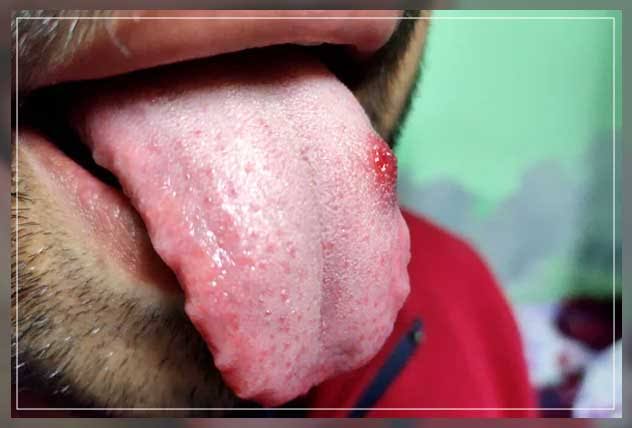
This is the cause that deserves the most attention. Seizures involve bursts of uncontrolled electrical activity in the brain that can trigger muscle spasms and jaw clenching strong enough to injure the tongue. Seizure-related bites often occur on the tip, sides, or back of the tongue and can be more severe than typical bruxism-related bites.
If you experience confusion upon waking, unexplained fatigue, or a partner reports convulsive movements, a medical evaluation is important.
A tongue that’s larger than average leaves less room in the mouth, making it easier for it to get caught between the teeth during normal jaw movement at night.
Some medications — particularly certain antidepressants, muscle relaxants, or drugs affecting the central nervous system — can alter muscle control or sleep patterns in ways that increase involuntary movement. Never stop a prescribed medication without talking to your doctor first.
| Cause | How It Leads to Tongue Biting | Typical Bite Location | When to Seek Help |
|---|---|---|---|
| Bruxism | Jaw clenches/grinds, trapping tongue | Tip, sides | If frequent or painful |
| Sleep apnea | Larger tongue + relaxed muscles + breathing pauses | Sides | If snoring, gasping, daytime fatigue present |
| Stress/anxiety | Increased jaw muscle tension | Tip | If ongoing despite stress management |
| Malocclusion | Teeth don’t align, tongue slips into bite path | Sides | If bites are frequent or worsening |
| REM sleep behavior disorder | Acting out dreams with physical movement | Varies | If accompanied by other unusual movements |
| Nocturnal seizures | Uncontrolled muscle spasms during a seizure | Sides, back | Promptly — especially with confusion on waking |
| Macroglossia | Larger tongue has less room in the mouth | Sides | If bites are frequent |
| Medication side effects | Altered muscle control or sleep patterns | Varies | Discuss with prescribing doctor |
A dentist-fitted night guard is widely recommended as the most reliable way to prevent bruxism-related tongue and cheek injuries. It creates a cushioned barrier between your upper and lower teeth so the tongue can’t get trapped, and it also protects your enamel from grinding damage. Over-the-counter guards can offer short-term relief, but a custom fit tends to be more comfortable and effective long-term.
Since stress is a major bruxism trigger, calming your nervous system before sleep can meaningfully reduce nighttime clenching. Helpful approaches include:
If sleep apnea is a contributing factor, treating it can reduce tongue biting as a side benefit. Options a sleep specialist may recommend include:
If malocclusion is the underlying issue, an orthodontist can evaluate whether braces, aligners, or other dental work would reduce the risk of repeated tongue trauma.
If you suspect a medication is contributing to nighttime biting, talk with your prescribing doctor. Never adjust or stop a prescription on your own.
If seizures are suspected, a neurologist may recommend a sleep study using EEG monitoring to track brain activity overnight. This can confirm or rule out a seizure disorder and guide appropriate treatment.
Most tongue bites are minor and heal within a few days. To support healing:
Seek prompt medical attention if you notice:
These signs — particularly confusion after waking or convulsive movement — are the clearest indicators that a nighttime seizure, rather than simple bruxism, may be involved.
The most common reason is bruxism — involuntary teeth grinding or clenching that traps the tongue between the teeth. Sleep apnea, stress, misaligned teeth, and less commonly, seizures, can also be responsible.
Occasional, mild tongue biting is common and usually not a sign of a serious problem. Frequent or severe biting is worth discussing with a dentist or doctor.
Yes. Stress increases muscle tension in the jaw, which can lead to clenching and grinding that results in tongue biting.
Sleep apnea doesn’t directly cause tongue biting, but the relaxed muscles and larger tongue commonly seen with the condition make biting more likely.
It’s possible but far from the most likely explanation. Seizure-related bites are typically more severe, often occur on the sides or back of the tongue, and are frequently accompanied by confusion upon waking.
Tip bites are often linked to light clenching or grinding. Side and back bites are more associated with sleep apnea or, less commonly, seizures.
For bruxism-related biting, yes — a properly fitted night guard is one of the most effective preventive tools available.
A standard night guard protects the tongue from injury, but treating the underlying sleep apnea (for example with CPAP) addresses the root cause.
Yes, some medications that affect muscle control or sleep patterns — including certain antidepressants and muscle relaxants — have been associated with increased nighttime biting.
Signs of bruxism include jaw soreness, headaches, worn tooth enamel, and a partner noticing grinding sounds at night. A dentist can usually confirm bruxism through an exam.
Yes. When teeth don’t line up properly, there’s more opportunity for the tongue to slip into the bite path during involuntary jaw movement.
Most cases are uncomfortable but not dangerous. However, heavy bleeding, signs of infection, or symptoms suggesting a seizure should be evaluated promptly.
Rinse with warm salt water, avoid irritating foods, and apply a cold compress if there’s swelling. Seek care if bleeding is heavy or doesn’t stop.
Yes, bruxism is actually more common in children than adults and often improves with age, though persistent cases should still be evaluated by a dentist.
Start with a dentist if you suspect bruxism or dental misalignment. See a doctor or sleep specialist if you suspect sleep apnea, and a neurologist if seizures are a concern.
Yes. Both can increase muscle tension and disrupt sleep patterns, which may worsen bruxism-related biting.
A scalloped or indented tongue edge can result from repeated pressure against the teeth, which is commonly linked to bruxism.
Not always. Many cases are diagnosed through a dental exam alone. A sleep study is typically recommended when sleep apnea, seizures, or REM sleep behavior disorder are suspected.
Nighttime tongue biting almost always traces back to one of a handful of causes — most often bruxism, sometimes made worse by stress, sleep apnea, or a misaligned bite. A custom night guard combined with addressing the underlying trigger resolves the issue for most people.
The exceptions worth taking seriously are frequent, severe bites, especially on the side or back of the tongue, paired with confusion upon waking — those warrant a prompt conversation with a doctor.