
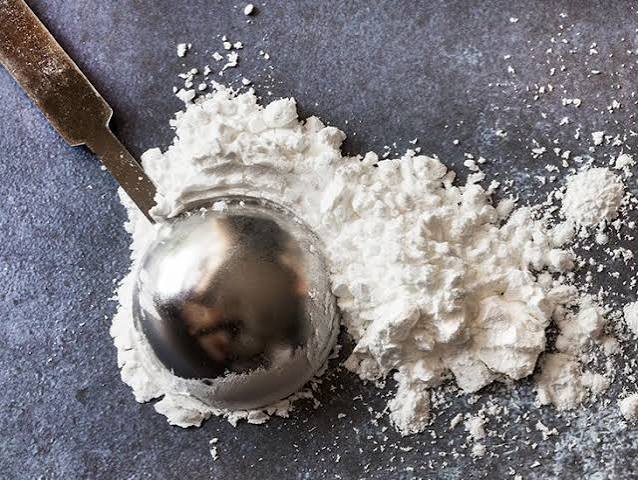
Why Do Females Eat Corn Starch? Craving a spoonful of raw corn starch might sound strange, but it’s more common than most people realize.
For many women, it isn’t about taste — it’s a signal from the body or mind that something deeper is going on.
Females most often eat corn starch because of a condition called pica, frequently linked to iron deficiency anemia, pregnancy-related cravings, stress, or a strong attraction to its dry, powdery texture.
It is rarely about nutrition — corn starch has no iron, protein, or meaningful nutrients.
Pica is a recognized eating condition where a person craves and eats substances with little or no food value, such as chalk, ice, clay, or corn starch.
It’s most frequently seen in women, especially during pregnancy or when iron levels are low.
The name comes from the Latin word for magpie, a bird known for eating almost anything it finds.
Iron deficiency is the most cited reason for corn starch cravings in medical literature. Low iron reduces the body’s ability to carry oxygen efficiently.
This shortage can trigger unusual cravings, similar to how some people with anemia crave ice (a condition called pagophagia).
Corn starch itself contains no iron, so eating it does not fix the deficiency — a blood test is the only reliable way to confirm it.
Pica cravings, including corn starch, appear more often during pregnancy due to hormonal shifts and increased nutritional demands.
Pregnant women lose iron faster to support the growing baby, which can intensify the craving.
Doctors recommend flagging any non-food cravings during prenatal visits so iron and other levels can be checked.
Some women describe eating corn starch as a way to manage stress, anxiety, or emotional overwhelm.
The repetitive, soothing act of chewing or dissolving it in the mouth can feel calming in the moment.
This pattern is sometimes linked to compulsive or habitual behaviors rather than a physical need.
Corn starch is fine, dry, and almost melts on contact — a texture some people find genuinely satisfying.
For certain individuals, the craving is driven purely by this sensory experience, not deficiency or emotion.
This is comparable to why some people enjoy crunching ice cubes even with normal iron levels.
In some communities, eating starch or clay-like substances has been passed down through generations as a shared practice.
Research has noted this pattern especially among Black women in parts of the southern United States, often tied to family tradition.
Cultural familiarity can make the habit feel normal even when it carries health risks.
Regularly eating raw corn starch can cause bloating, constipation, or an upset stomach because it isn’t meant to be digested this way.
Corn starch converts quickly into glucose, which can spike blood sugar levels, a concern for anyone with insulin resistance or diabetes.
Filling up on corn starch often means eating less real, nutrient-dense food, which can worsen an existing deficiency over time.
Frequent consumption can contribute to tooth issues and unwanted weight gain since corn starch is essentially pure calories with no nutritional payoff.
| Factor | Corn Starch Pica | Normal Food Craving |
|---|---|---|
| Nutritional value of craved item | None | Usually some |
| Frequency | Persistent, hard to control | Occasional |
| Linked to deficiency | Often (iron, zinc) | Rarely |
| Medical concern | Yes, needs evaluation | Usually not |
| Common trigger | Pregnancy, anemia, stress | Hormones, habit, mood |
A doctor typically starts with a blood test to check iron, ferritin, and zinc levels.
If anemia is confirmed, iron supplementation and dietary changes are the standard first step, and cravings often fade as levels normalize.
When emotional or compulsive triggers are involved, a doctor may refer the person to therapy, where approaches like cognitive-behavioral therapy (CBT) have shown good results.
Pregnancy cravings for corn starch are common enough that many obstetricians ask about them directly.
Left unaddressed, pica during pregnancy has been linked to complications like anemia-related fatigue and, in some studies, lower birth weight.
The safest step is always to mention the craving at a prenatal appointment rather than trying to manage it alone.
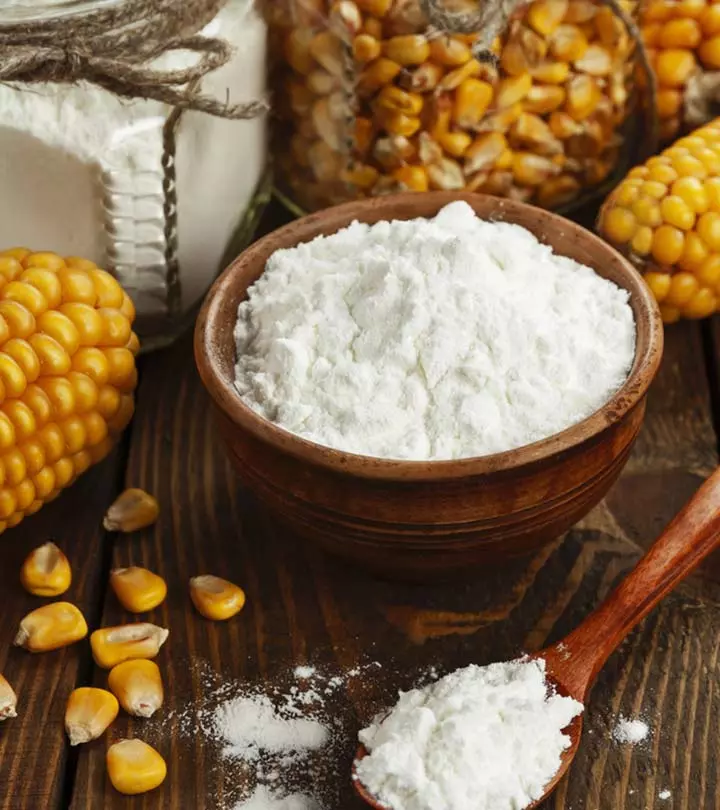
Iron deficiency and pica are diagnosed more often in women due to menstruation, pregnancy, and higher iron needs, which is why the craving shows up more frequently in females.
Not on its own, but pica cravings, including corn starch, do increase during pregnancy and are worth mentioning to a doctor.
It doesn’t cause it directly, but replacing nutrient-rich food with corn starch can make an existing deficiency worse over time.
It’s almost entirely carbohydrate with no meaningful iron, protein, vitamins, or minerals.
There’s no universally “safe” amount for raw consumption; even small regular amounts can cause digestive and blood sugar issues over time.
Yes, pica is classified as a feeding and eating disorder in the DSM-5 when the pattern persists for a month or longer.
Yes, some cases are purely psychological, driven by stress or anxiety rather than a nutritional deficiency.
A complete blood count (CBC) along with ferritin and serum iron levels is the standard starting point.
No, it does not supply iron and cannot treat anemia; only iron-rich food or supplements can.
Yes, pica can occur in children, though it’s more frequently discussed in adult women due to pregnancy and menstrual iron loss.
It isn’t classified as toxic in small amounts, but it isn’t meant for regular raw consumption and can cause digestive strain.
Iron demand rises early as blood volume increases, which is when many women first notice unusual cravings.
Yes, some research links pica cravings to low zinc levels in addition to iron deficiency.
Both are linked to iron deficiency anemia and fall under pica, just with different textures being craved.
Many people notice reduced cravings within a few weeks of correcting an iron deficiency, though it varies by individual.
Yes, even occasional non-food cravings are worth mentioning, especially if you’re pregnant or feeling unusually tired.
They can, particularly if iron levels drop again or stress triggers return, so periodic checkups are helpful.
Cooked, small amounts used in recipes are different from raw, habitual eating; the concern is specifically with regular raw consumption.
A craving is occasional and doesn’t involve non-food items; pica is a persistent pattern of eating substances with no nutritional value.
If the cause is a true deficiency, therapy alone usually isn’t enough; treating the deficiency and addressing behavior often work best together.
Corn starch cravings in females almost always trace back to one of a few causes: iron deficiency, pregnancy, stress, or a strong sensory pull toward its texture.
While the habit can feel harmless, it’s a signal worth listening to rather than ignoring, since untreated anemia and pica can affect long-term health.
A simple blood test and a conversation with a doctor are usually enough to find out what’s really behind the craving and get it properly managed.