
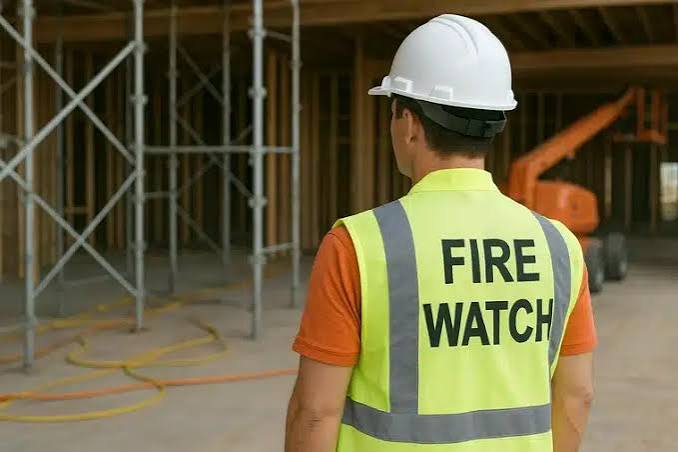
Almost every construction site will be carrying out hot work, which involves operations like welding, torch-cutting, and soldering, every single day. The operations emit heat, sparks, and slag that continue to smolder long after the workers have left the premises. Moreover, the safety equipment available at such sites is normally not enough or is even not in operation since it is still not installed at such sites under construction. Therefore, there is significant safety risk exposure for contractors alongside compliance requirements by OSHA/NFPA regulations.
That’s why bringing in a certified fire watch company matters so much — it keeps projects safe, compliant, and on schedule. The Fast Fire Watch Company focuses specifically on safety monitoring for high-risk job sites and thermal construction work.
In big renovation projects or commercial building projects, sprinklers and alarms systems have not been set up, or have even been deactivated for some reason. That leaves a real gap in protection right when hot work is happening.
If an automated system does need to go offline, project managers need a clear fire alarm system outage protocol so that manual patrols can step in without delay. Skip that oversight, and stray sparks can land in combustible dust, insulation, or framing — the kind of thing that leads to a serious site fire and a project shutdown nobody wants.
Asking general labor or busy site crews to handle hot work safety checks on top of everything else usually means hazards get missed and violations slip through. Bringing in The Fast Fire Watch Company puts dedicated expertise on your job site instead:
There are very rigid procedures defined by OSHA standard 1910.252 and NFPA 51B, which must be followed prior to starting up torches and welding equipment, and site superintendents are responsible for the enforcement of those procedures.
Before the work starts, safety personnel walk the area with a proper hot work fire watch checklist and confirm things like:
Bringing in dedicated fire watch guards for hire means every one of these precautions gets checked and documented before the first spark flies.
When an OSHA inspector or local fire marshal shows up unannounced, you need documented proof that safety sweeps actually happened — there’s no getting around that. Weak record-keeping can mean an immediate stop-work order and a hefty fine.
Assigned safety guards keep complete records that meet fire watch logbook requirements, including:
Work with The Fast Fire Watch Company and your records stay clean and ready for review at any time.
An unexpected stop-work order or a fire on site can wreck a project’s margins fast. Yes, bringing on temporary safety personnel is an added line item — but it’s nothing compared to what a fire incident or regulatory shutdown would actually cost.
When you’re pricing out an emergency fire watch service cost, the cost depends on things like how many hot work zones are active, how quickly you need someone dispatched, the size of the site, and total hours of coverage needed. Upfront payment for quick-response professionals is what makes the project go rather than stall.
Anything that produces flames, sparks, or intense heat counts — arc welding, torch cutting, soldering, brazing, thermal spraying, and power grinding on structural metal are the common ones.
No. OSHA and NFPA are clear on this: a fire watch guard can’t have any other job while monitoring hot work. A welder simply can’t watch for stray sparks behind or below them while they’re the one running the equipment.
According to NFPA 51B, the minimum time is 30 minutes after the completion of hot work. This time period may be extended up to two hours or more depending on the hazards present at the site.
Thermal hazards and tight deadlines don’t have to put your job site at risk. With The Fast Fire Watch Company on the job, you get steady, dependable protection from a fire watch company you can trust — so your project stays compliant with local codes and wraps up without costly delays or fire hazards getting in the way.