
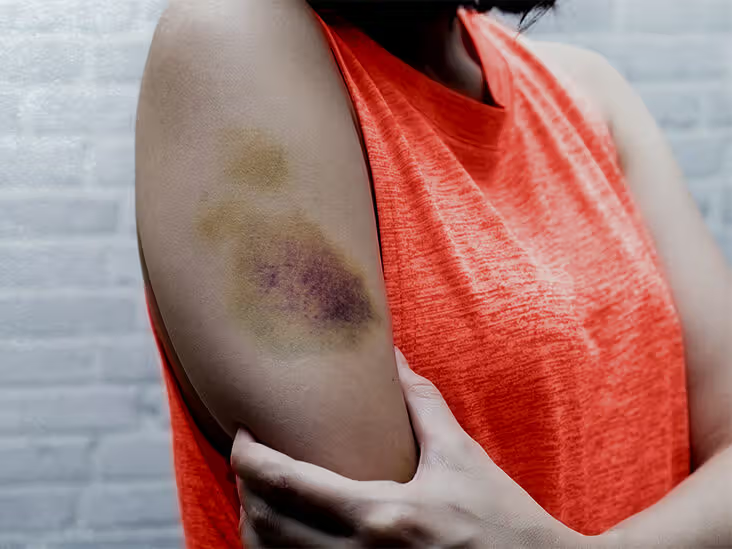
Why Am I Bruising So Much is a question many people start asking once marks appear on their skin without any memory of an injury.
Bruising happens when small blood vessels under the skin break and leak blood into the surrounding tissue, but the reasons behind frequent bruising can vary widely.
Some causes are harmless, like normal aging or minor bumps you simply do not remember. Others, like certain medications, vitamin deficiencies, or underlying blood disorders, deserve closer attention.
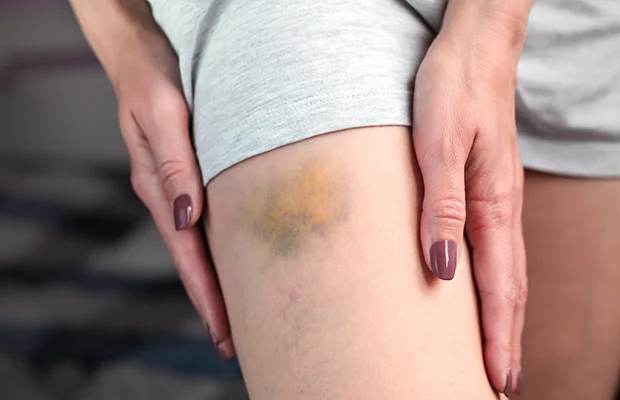
A bruise, also called a contusion, forms when an impact damages small blood vessels under the skin without breaking the skin itself.
Blood leaks into the surrounding tissue, which causes the dark red, purple, or blue discoloration most people recognize as a bruise.
Most bruises are completely normal and heal on their own within one to two weeks without any treatment.
If you are asking “why am I bruising so much,” the answer usually falls into one of a few broad categories, ranging from everyday habits to underlying health conditions.
The table below offers a quick overview before we explore each cause in more detail.
| Cause | Brief Description |
|---|---|
| Aging skin | Thinner skin and weaker blood vessels with age |
| Blood-thinning medications | Aspirin, NSAIDs, warfarin, and similar drugs |
| Vitamin deficiencies | Low vitamin C, K, or B12 levels |
| Blood disorders | Low platelets, hemophilia, von Willebrand disease |
| Liver disease | Reduced production of clotting factors |
| Diabetes | High blood sugar damaging blood vessels |
| Vasculitis | Inflammation of small blood vessels |
| Sun damage | Weakened skin from long-term sun exposure |
| Genetics | Family history of easy bruising |
| Direct trauma | Minor bumps and injuries you may not recall |

Each cause behaves a little differently, so it helps to understand what is actually happening under the skin in each case.
As skin ages, it loses collagen and fat that normally cushion blood vessels, making them more likely to break with minor bumps.
This condition, sometimes called senile or actinic purpura, is extremely common in older adults and is usually not a sign of a serious problem.
Drugs like aspirin, ibuprofen, and prescription blood thinners such as warfarin reduce the blood’s ability to clot quickly.
Corticosteroids like prednisone can also thin the skin over time, making bruises appear more easily and look larger than usual.
Low levels of vitamin C can weaken blood vessel walls, while vitamin K deficiency can directly affect the body’s clotting process.
Severe vitamin C deficiency, known as scurvy, is rare today but can still cause unusual bruising in people with very poor diets.
Conditions like thrombocytopenia, where platelet levels drop too low, can cause frequent and unexplained bruising across the body.
Inherited disorders such as hemophilia and von Willebrand disease affect how well blood clots, leading to easy bruising and prolonged bleeding.
The liver produces many of the proteins needed for normal blood clotting, so liver damage can directly increase bruising tendency.
People with chronic liver conditions often notice bruises appearing more easily, sometimes alongside other symptoms like fatigue or jaundice.
Consistently high blood sugar can damage the walls of small blood vessels over time, making them more fragile and prone to bruising.
This is one of several reasons why managing blood sugar levels carefully matters for people living with diabetes.
Vasculitis causes inflammation in the blood vessels themselves, which can lead to bruise-like spots that appear without any clear injury.
Autoimmune conditions like rheumatoid arthritis and lupus can also contribute to easier bruising as part of their broader effects on the body.
Years of sun exposure can weaken the connective tissue supporting blood vessels in the skin, particularly on the arms and hands.
This type of bruising, often called solar purpura, tends to appear in older adults with a long history of time spent outdoors.
Some people simply inherit thinner skin or more fragile blood vessels, making them naturally more prone to bruising than others.
If close family members also bruise easily without any other symptoms, this tendency may simply run in the family.
The most common cause of bruising is still simple, everyday trauma, like bumping into furniture or carrying heavy bags.
Many people genuinely forget the small bump that caused a bruise, especially if it only appears a day or two after the original impact.
Bruises typically move through a predictable series of color changes as the body reabsorbs the trapped blood underneath the skin.
Understanding this timeline can help you recognize what is normal and notice if a bruise is healing unusually slowly.
| Days After Injury | Typical Color | What It Means |
|---|---|---|
| Day 1-2 | Red or purple | Fresh blood under the skin |
| Day 2-4 | Blue or dark purple | Blood beginning to break down |
| Day 5-7 | Green | Hemoglobin breakdown continuing |
| Day 7-10 | Yellow or brown | Final stages of healing |
| Day 10-14 | Light yellow, fading | Bruise nearly fully resolved |
Where a bruise appears on your body can offer helpful clues about whether it is likely minor or worth mentioning to a doctor.
Bruises on the arms, shins, or legs are usually linked to everyday bumps and minor trauma during daily activities.
Bruises that appear on the face, chest, abdomen, or back without a clear cause are less common and may deserve closer attention.
In rare cases, unexplained bruising in unusual places can also raise safety concerns such as abuse, and a doctor can help if this situation applies to you.
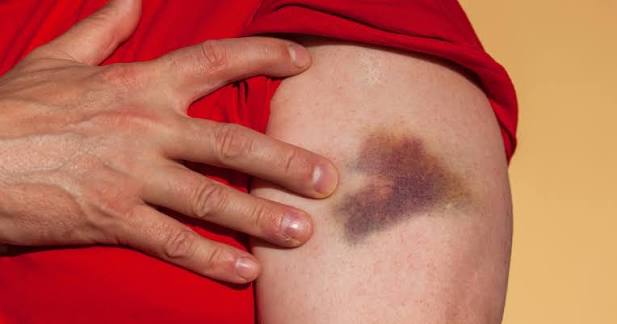
Applying a cold compress within the first 24 to 48 hours can help reduce swelling and limit how large a bruise becomes.
After the first two days, switching to a warm compress may help improve blood flow and speed up reabsorption of trapped blood.
Keeping the affected area elevated, when possible, can also help reduce pooling of blood and minimize the final bruise size.
Eating a balanced diet rich in vitamin C and vitamin K may support healthy blood vessels and normal clotting over time.
Wearing protective clothing or padding during activities that commonly cause bumps can also help reduce how often new bruises appear.
Most bruises are harmless, but certain patterns and symptoms suggest it is time to get checked by a healthcare professional.
| Symptom | Why It Matters |
|---|---|
| Bruises with no known cause | May suggest an underlying clotting issue |
| Bruises on face, chest, or abdomen | Unusual locations for typical minor trauma |
| Bruising plus nosebleeds or bleeding gums | Possible sign of a bleeding disorder |
| Bruises that do not fade after two weeks | May indicate slower healing or other issues |
| Bruising with fatigue or weight loss | Could point to a more serious underlying condition |
| Family history of bleeding disorders | Increases likelihood of an inherited condition |
If you notice several of these signs together, it is best to schedule an appointment rather than waiting to see if things improve on their own.
A doctor will often start with a physical exam and questions about your medications, diet, and family history.
Blood tests such as a complete blood count, platelet count, and clotting factor tests are commonly used to investigate unexplained bruising.
In some cases, additional tests like liver function tests or imaging may be recommended depending on your specific symptoms.
Staying hydrated and eating a varied diet supports overall blood vessel health and may reduce how often minor bruises appear.
Reviewing your medications and supplements with a doctor can help identify anything that may be increasing your bruising tendency unnecessarily.
Being mindful around furniture corners and uneven surfaces can also help reduce the small, everyday bumps that lead to bruising.
Regular movement and gentle exercise support healthy circulation, which can contribute to faster bruise healing over time.
Sudden increased bruising can result from new medications, vitamin deficiencies, or an underlying blood disorder. A doctor can help identify the exact cause.
Yes, minor bumps are easily forgotten, especially in older adults with thinner skin. This is usually harmless if bruises are mild and heal normally.
Low vitamin C and vitamin K levels are most commonly linked to easy bruising. Both vitamins support healthy blood vessels and normal clotting.
Stress does not directly cause bruising, but it can affect sleep and nutrition in ways that indirectly impact skin and vessel health.
Worry if a bruise appears without injury, grows unusually large, or does not fade after two weeks. Other symptoms also warrant medical attention.
Yes, blood thinners, NSAIDs, and corticosteroids commonly increase bruising. Mentioning all medications and supplements to your doctor can help clarify the cause.
Easy bruising alone rarely means cancer, but combined with fatigue, fever, or weight loss, it should be checked promptly by a doctor.
Most bruises heal within one to two weeks, moving through red, purple, green, and yellow stages before fading completely.
Yes, high blood sugar can damage small blood vessels over time, making bruising more frequent in people with poorly managed diabetes.
A single mild bruise usually is not concerning, but repeated unexplained bruising, especially with other symptoms, is worth discussing with a doctor.
Why Am I Bruising So Much is a question worth taking seriously, even though most bruises are completely harmless and simply part of everyday life. Aging skin, minor bumps you may not remember, and certain medications explain the majority of cases people experience day to day.
At the same time, persistent, unexplained, or unusually large bruises can sometimes point to vitamin deficiencies, blood disorders, liver issues, or other conditions that benefit from medical attention. Paying attention to where bruises appear, how quickly they heal, and whether other symptoms like fatigue or bleeding gums show up can help you decide when it is time to see a doctor.
This guide is meant to provide general information rather than a diagnosis, and it cannot replace a proper medical evaluation from a qualified healthcare professional. If your bruising feels unusual, sudden, or concerning in any way, reaching out to a doctor remains the safest and most reliable next step toward getting clear answers and proper peace of mind.