
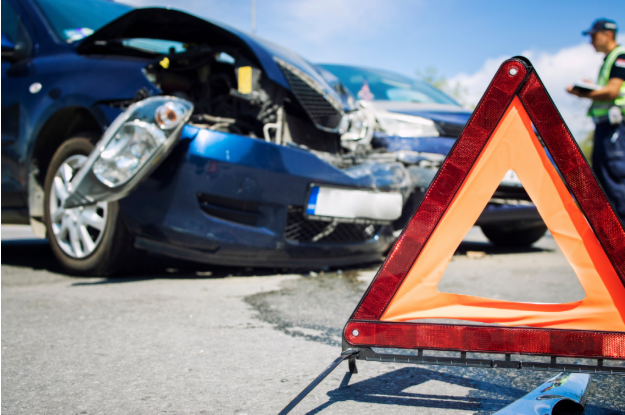
Road rage is aggressive driving fueled by anger—think tailgating, screaming, or brake-checking. When emotions take over, safe driving flies out the window.
A moment of rage can escalate into reckless choices, like speeding or swerving. Worse, it often leads to crashes. We see daily fallout: injuries, wrecked cars, and legal consequences of road rage incidents. If yelling turns into a collision, what happens next? Let’s break it down.
When road rage leads to a crash, police usually respond right away. They’ll take statements, file a report, and may issue citations or make an arrest at the scene. If someone is hurt or the damage is severe, things can escalate quickly.
Aggressive driving can lead to criminal charges. These may include reckless driving, assault with a vehicle, or, in tragic cases, even vehicular manslaughter. The driver’s behavior before and during the accident plays a big role.
Unlike a typical fender bender, aggressive intent makes the situation more serious in the eyes of the law.
Figuring out who is at fault in a road rage crash is crucial. Police and insurance companies will look at all the details. They will gather witness statements, check for dashcam or security camera footage, and review police reports.
It is essential to show that the aggressor’s anger and reckless actions directly caused the accident, not just a simple driving mistake. Evidence proving their aggressive intent, such as weaving through traffic or tailgating, helps determine that they are at fault.
Beyond criminal charges, victims of road rage accidents can also file civil lawsuits. This means they can sue the at-fault driver for money to cover their medical bills, lost wages, and even pain and suffering.
In cases where road rage is intentional or malicious, courts in some places may award additional money, known as punitive damages. It is also essential to understand that car insurance might not cover damages if it is proven that the driver intentionally caused harm.
A road rage accident severely impacts the aggressor’s driving record. They will likely receive many points, which can lead to their driver’s license being suspended or even revoked completely.
On top of that, their car insurance premiums will almost certainly skyrocket, or their policy might even be canceled. For people who cause multiple incidents, the long-term consequences can make it very hard and expensive to drive legally.
Road rage can cross the line into a felony when someone is seriously hurt, killed, or threatened with a vehicle used as a weapon. In these cases, it’s no longer just reckless driving—it becomes a violent crime.
Penalties can include years in prison, heavy fines, and long probation terms. Prosecutors look closely at the driver’s intent. The more deliberate the act, the more severe the charge.
Road rage is worse than impaired driving; it can lead to life-altering consequences for everyone involved. Staying calm and in control behind the wheel is incredibly important. By managing your emotions, you can prevent a simple traffic disagreement from becoming a criminal case, serious injuries, or a personal tragedy.