
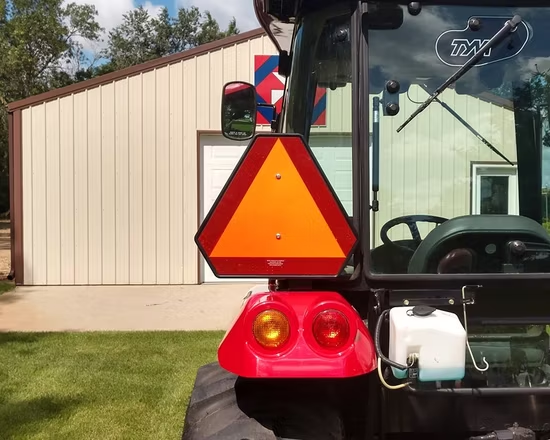
What does a slow moving vehicle emblem look like? It’s a reflective orange triangle with a red border, designed to alert drivers to slow moving vehicles (SMVs) traveling at 25 mph or less on roads.
This vehicle emblem, standardized by the ASAE (S276 code), enhances safety for vehicles like tractors, golf carts, and horse-drawn carts. In 2025, updated regulations ensure SMV emblems are highly visible, reducing rear-end collisions on rural and highway routes. Recognizable globally, this symbol is critical for traffic safety.
The slow moving vehicle emblem is a universal safety symbol used to identify vehicles moving at 25 mph or slower. Typically a fluorescent orange triangle with a reflective red border, it warns approaching drivers to slow down, preventing accidents. The emblem is mandated for SMVs like farm machinery, construction equipment, and implements of husbandry to ensure visibility on roads.

Developed by the ASAE (American Society of Agricultural Engineers) under the S276 standard, the emblem must be displayed on the rear of slow moving vehicles. In 2025, SMV emblems are engineered with advanced reflective tape, visible up to 1,000 feet, enhancing safety during low-light conditions. This design is critical for rural areas where traffic mixes with agricultural vehicles.
The slow moving vehicle emblem plays a pivotal role in preventing rear-end collisions, which can lead to fatalities. What does a slow moving vehicle emblem look like on the road? It’s a bold orange triangle that stands out against a vehicle’s rear, signaling drivers to reduce speed. The National Safety Council reports that SMVs are involved in over 1,500 accidents annually in the U.S., many preventable with proper emblem use.
By alerting drivers to vehicles moving at 25 mph or less, the emblem reduces the risk of collisions caused by slower traffic. In 2025, highway patrol data emphasizes that SMV emblems cut accident rates by 30% on rural roads, making them a cornerstone of traffic safety.
| Vehicle Type | Typical Speed | SMV Emblem Required? |
| Tractor | 10–25 mph | Yes |
| Golf Cart | 15–20 mph | Yes |
| Horse-Drawn Cart | 5–15 mph | Yes |
| Construction Equipment | 10–25 mph | Yes |
What does a slow moving vehicle emblem look like in detail? It’s a reflective fluorescent orange triangle with a red border, measuring 14 inches wide and 16 inches tall at its longest points. The emblem is mounted on the rear of SMVs, ensuring it’s visible from a distance. The bright color and reflective tape make it stand out, even in fog or at dusk.
The design adheres to ASAE standards, ensuring consistency across vehicles like tractors, golf carts, and horse-drawn carts. In 2025, some SMV emblems incorporate LED-enhanced reflective materials, improving visibility on highways. This vehicle sign is instantly recognizable, prompting drivers to stay alert and adjust their speed.
The slow moving vehicle emblem is legally required for vehicles designed with a maximum speed of 25 mph or less, per DMV and highway regulations. Emblems are required on SMVs like tractors, construction equipment, and horse-drawn vehicles when operating on public roads. The emblem must be mounted at a height of 2–10 feet above the ground for optimal visibility.
In 2025, states like Ohio enforce strict codes, with police issuing fines for non-compliance. The emblem must be official, meeting ASAE standards, and free of damage to maintain its reflective properties. Failure to display the SMV emblem can cause legal penalties and increase accident risks.
Slow moving vehicles include a range of equipment and vehicles designed for speeds not exceeding 25 mph. What does a slow moving vehicle emblem look like on these vehicles? It’s the same orange triangle symbol, whether on agricultural tractors, golf carts, or construction machinery. These vehicles often operate in rural or mixed traffic zones, necessitating clear safety markers.
Common SMVs requiring emblems include:
Each vehicle must be displayed with the SMV emblem to comply with safety regulations.
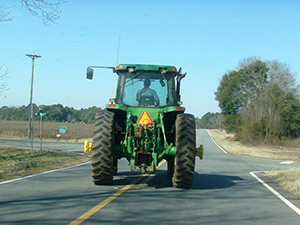
Proper display of the slow moving vehicle emblem is critical for safety. The emblem should be mounted on the rear of the vehicle, centered and unobstructed, at a height of 2–10 feet. What does a slow moving vehicle emblem look like when correctly installed? It’s a clean, undamaged orange triangle that catches light, ensuring drivers can recognize it from afar.
In 2025, operators are advised to check emblems for fading or damage, as worn reflective tape reduces effectiveness. The emblem should be securely fastened to avoid detachment during travel, and SMVs operating at night may require additional reflective markers for enhanced visibility.
SMV emblems are designed to prevent accidents by alerting drivers to slow moving vehicles. What does a slow moving vehicle emblem look like in action? It’s a visual cue that prompts drivers to slow down, avoiding rear-end collisions. The Ohio State University reports that SMVs without emblems are 3 times more likely to be involved in accidents.
The reflective orange triangle reduces fatality risks by ensuring SMVs are seen in low-visibility conditions. In 2025, safety committees emphasize that proper emblem use cuts accident rates by 30%, saving lives on roads and highways.
Recognizing SMV emblems can be challenging in certain conditions, such as heavy fog or cluttered road environments. What does a slow moving vehicle emblem look like when obscured? It may blend into traffic if faded or improperly mounted, reducing its safety impact. Drivers must stay alert to spot the emblem early.
To address this, 2025 regulations require SMV emblems to use high-grade reflective materials. Operators should clean emblems regularly and ensure they meet ASAE standards to maintain visibility, especially for vehicles moving at 25 mph or less in busy traffic.
In 2025, SMV emblem design has evolved to enhance safety. What does a slow moving vehicle emblem look like with modern upgrades? It incorporates advanced reflective tape and sometimes LED elements, making it visible up to 1,500 feet. These emblems maintain the fluorescent orange triangle with a red border but use durable materials to withstand weather.
The ASAE S276 standard ensures consistency, while safety committees advocate for optional LED-enhanced SMV emblems for night travel. These advancements make slow moving vehicles more noticeable, reducing accident risks on highways and rural roads.
Drivers spotting a slow moving vehicle emblem should take immediate action to ensure safety. What does a slow moving vehicle emblem look like to an approaching driver? It’s a clear orange triangle signaling a vehicle moving at 25 mph or less, requiring reduced speed and increased distance.
Recommended actions:
Following these steps minimizes accident risks and supports traffic safety.
Rural roads pose unique safety challenges for slow moving vehicles due to mixed traffic and higher speeds. What does a slow moving vehicle emblem look like in rural settings? It’s a critical warning symbol that helps drivers identify SMVs like tractors or horse-drawn carts, preventing rear-end collisions.
In 2025, highway patrol data shows that SMV emblems reduce accidents by 40% on rural roads. Proper display of the reflective orange triangle ensures SMVs are seen, allowing drivers to drive cautiously and maintain safety.
The slow moving vehicle emblem was introduced in the 1960s by the ASAE, following research from Ohio State University highlighting rear-end collisions involving SMVs. What does a slow moving vehicle emblem look like historically? It’s been a fluorescent orange triangle since its inception, designed to alert drivers to vehicles moving at 25 mph or slower.
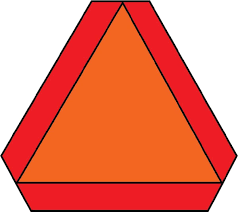
Over decades, the emblem’s design has been refined for better reflective properties, with 2025 standards ensuring maximum visibility. The National Safety Council credits the SMV emblem with saving thousands of lives by reducing fatality rates in traffic.
Operators of slow moving vehicles must prioritize safety by ensuring proper SMV emblem use. What does a slow moving vehicle emblem look like when optimized? It’s a clean, brightly reflective orange triangle mounted prominently on the vehicle’s rear. Tips for operators:
These practices enhance safety and reduce accident risks for SMVs.
What is a slow moving vehicle emblem?
A slow moving vehicle emblem is a reflective orange triangle with a red border, used on vehicles moving at 25 mph or less to enhance road safety.
What does a slow moving vehicle emblem look like?
It’s a fluorescent orange triangle with a reflective red border, typically 14 inches wide, mounted on the rear of SMVs for visibility.
Which vehicles require SMV emblems?
Tractors, golf carts, horse-drawn carts, and construction equipment moving at 25 mph or less must be displayed with SMV emblems.
Why is the SMV emblem important?
The SMV emblem warns approaching drivers of slow moving vehicles, reducing rear-end collisions and enhancing traffic safety on roads.
How should drivers react to an SMV emblem?
Drivers should slow down, maintain distance, and pass safely when spotting an SMV emblem to avoid accidents.
Are SMV emblems required by law?
Yes, emblems are required for vehicles with a maximum speed of 25 mph on public roads, per DMV and highway regulations.
How far can an SMV emblem be seen?
A reflective SMV emblem is visible up to 1,000–1,500 feet, depending on design and lighting, ensuring safety in traffic.
What does a slow moving vehicle emblem look like? It’s a reflective fluorescent orange triangle with a red border, a critical safety symbol for slow moving vehicles like tractors, golf carts, and horse-drawn carts.
In 2025, advancements in reflective tape and LED-enhanced SMV emblems boost visibility, reducing rear-end collisions on rural and highway roads. Proper display, adherence to ASAE standards, and driver awareness ensure SMVs operate safely, preventing accidents and fatalities. By recognizing and responding to this emblem, drivers and operators contribute to safer traffic environments.
Key Takeaways: