
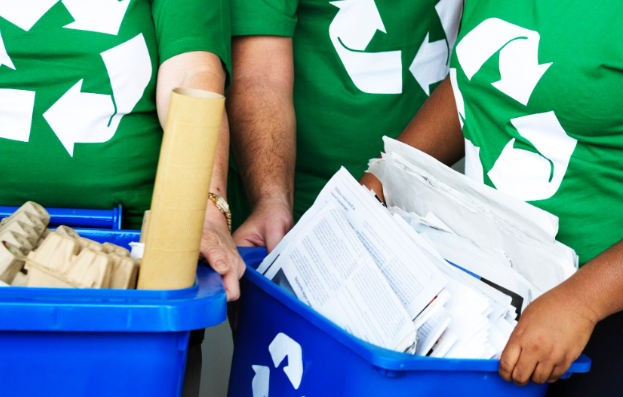
♻️ Achieving a cleaner and more sustainable Singapore requires a strategic approach to waste management, and comprehensive waste audit services are at the heart of this effort. By providing detailed assessments of waste generation, with BNL conducting waste audits in Singapore, these services empower organizations and communities to optimize their disposal processes, improve recycling efforts, and reduce environmental impact. A strong waste management framework is not only vital for environmental sustainability but also essential for public health and long-term resource conservation.
Waste Mismanagement in Singapore
Waste management is the systematic control and handling of waste materials, encompassing collection, transport, treatment, and disposal. Its primary goal is to minimize the impact of waste on the environment while promoting sustainability and responsible practices. Effective waste management ensures that valuable resources are recycled, landfills are minimized, and communities can thrive in cleaner, safer surroundings. In Singapore, where land is scarce and population density is high, the importance of efficient waste management cannot be overstated. Every effort to reduce, reuse, and recycle contributes to the city-state’s broader environmental sustainability goals.
Waste audit services play a crucial role in this process. By analyzing the types and volumes of waste generated, these services provide actionable insights that help organizations identify reduction opportunities, optimize recycling efforts, and implement sustainable practices. A comprehensive waste audit does not just benefit businesses; it supports communities and local ecosystems by promoting environmental responsibility and awareness.
Improper waste management has far-reaching consequences for both the environment and public health. Toxic pollutants from unregulated waste disposal can contaminate soil and water, disrupting ecosystems and harming wildlife. Harmful emissions contribute to air pollution, leading to respiratory issues and other health problems in vulnerable populations. Additionally, inadequate disposal practices attract pests, increasing the risk of vector-borne diseases. Addressing these challenges requires a combination of regulation, public education, and the adoption of comprehensive waste management strategies.
Recent statistics highlight Singapore’s commitment to improving waste management. Recycling rates have steadily increased due to government initiatives, public awareness campaigns, and innovative waste recovery technologies. Despite these advances, challenges remain, particularly in ensuring consistent waste segregation, reducing landfill dependence, and encouraging sustainable practices among both businesses and individuals. Waste audit services are critical tools for identifying these gaps and developing strategies to address them effectively.
Understanding Waste Audit Services
A waste audit is a systematic process that analyzes the waste produced by an organization or facility. It identifies the types and quantities of materials discarded and evaluates current disposal methods to pinpoint opportunities for recycling, reduction, and reuse. By uncovering inefficiencies and resource wastage, waste audits provide valuable insights that enable organizations to improve sustainability and minimize environmental impact.
Conducting waste audits offers multiple benefits. Organizations gain a clear understanding of their waste production patterns, which supports better resource management and reduces disposal costs. Audits also enhance recycling efforts and ensure compliance with regulatory requirements. Furthermore, by promoting sustainable practices, audits help companies build a positive reputation among clients and stakeholders, demonstrating environmental responsibility and corporate social responsibility.
The process of a waste audit typically begins with a thorough assessment of an organization’s waste output. This includes collecting data, categorizing materials, analyzing disposal patterns, and identifying areas for improvement. Recommendations are then provided to help reduce overall waste generation and implement sustainable waste management strategies. By understanding what is being thrown away and why, organizations can take concrete steps to optimize operations and contribute positively to the environment.

The Relevance and Advantages of Comprehensive Waste Audit Services
Comprehensive waste audit services go beyond basic waste assessments. They involve in-depth evaluations of waste generation processes, management practices, and disposal systems. By analyzing both the quantity and quality of waste, these services uncover inefficiencies and recommend actionable improvements that can enhance sustainability and operational performance.
The benefits of comprehensive waste audits are numerous. They enable organizations to manage waste more efficiently, reducing environmental impact and conserving valuable natural resources. Improved recycling practices help organizations divert materials from landfills, while cost reductions are achieved through more strategic disposal methods. Moreover, comprehensive audits foster a culture of environmental awareness within organizations, encouraging employees and stakeholders to adopt greener practices in their daily operations.
Several companies in Singapore have successfully leveraged waste audit services to transform their operations. Businesses in sectors such as retail, manufacturing, and hospitality have reduced waste disposal costs, improved operational efficiency, and enhanced sustainability performance. These audits empower organizations to implement innovative solutions that not only protect the environment but also create business value through increased efficiency and enhanced corporate image.
Process of Conducting a Comprehensive Waste Audit
The first step in a comprehensive waste audit is a pre-audit assessment. This involves evaluating current processes, policies, and compliance with environmental regulations to identify potential areas of concern. By establishing a baseline understanding, auditors can ensure that the subsequent analysis is accurate and meaningful.
Data collection is a critical component of the audit. Auditors systematically gather information on the types and volumes of waste generated, how it is disposed of, and the frequency of disposal activities. This data is then analyzed to identify patterns, inefficiencies, and opportunities for improvement. Interpretation of these findings helps organizations develop targeted strategies to reduce waste, increase recycling, and optimize overall waste management practices.
Based on audit results, organizations can implement tailored waste management strategies. These strategies may include redesigning disposal processes, introducing recycling programs, training staff in waste reduction techniques, and monitoring progress over time. By translating audit insights into actionable plans, organizations can achieve sustainable outcomes that benefit both the environment and operational efficiency.
Available Comprehensive Waste Audit Services in Singapore
Singapore hosts several leading providers of comprehensive waste audit services. These companies offer tailored solutions designed to assess waste management practices, recommend improvements, and implement sustainable strategies. Some service providers specialize in specific industries, such as commercial facilities, manufacturing, or healthcare, while others provide general solutions suitable for a wide range of organizations.
Understanding the differences between providers is important for selecting the right service. Variations may exist in methodology, scope, technological integration, and reporting formats. By carefully evaluating these aspects, organizations can choose a provider that aligns with their goals and maximizes the effectiveness of their waste management initiatives.
Importance of Regular Waste Audits
Regular waste audits are essential for ensuring ongoing compliance, maintaining operational efficiency, and fostering environmental responsibility. Frequent evaluations allow organizations to identify new areas of improvement, track the effectiveness of implemented strategies, and adjust practices as needed. Continuous monitoring ensures that waste management remains a priority and that sustainability goals are consistently met.
Incorporating regular audits into a comprehensive waste management strategy reinforces accountability, transparency, and performance. Organizations can make informed decisions regarding resource allocation, recycling initiatives, and waste reduction targets. Over time, continuous audits contribute to long-term improvements, creating a cleaner, healthier, and more sustainable urban environment.
Conclusion
Comprehensive waste audit services are a critical component of effective waste management in Singapore. By providing detailed assessments of waste generation, these services enable organizations to identify inefficiencies, optimize recycling efforts, and develop sustainable practices. The benefits are wide-ranging, including reduced environmental impact, improved resource conservation, enhanced operational efficiency, and compliance with regulations.
For organizations and communities seeking to promote sustainability, investing in comprehensive waste audit services is a strategic step toward achieving optimal waste management. By understanding the current state of waste production and implementing data-driven strategies, Singapore can continue its journey toward becoming a greener, cleaner, and more sustainable nation. Regular audits, continuous monitoring, and actionable recommendations create a system that supports environmental protection while enhancing organizational efficiency and social responsibility.