
For parents living in the vibrant Northeast region of Singapore, selecting the right early childhood environment is a task that carries significant emotional and practical weight. Hougang, with its blend of heritage and modern residential developments, offers a wide array of options. However, as any discerning parent knows, not all centres are created equal.
When you are searching for a top preschool singapore has to offer, the decision often comes down to the small, observable details that happen during a school tour. While facilities are important, the “soul” of a centre is found in its interactions, its safety protocols, and its pedagogical philosophy.
If you are currently touring facilities or looking for childcare sengkang or Hougang parents trust, use this comprehensive 10-point checklist to ensure your child’s first step into the world of learning is a confident one.
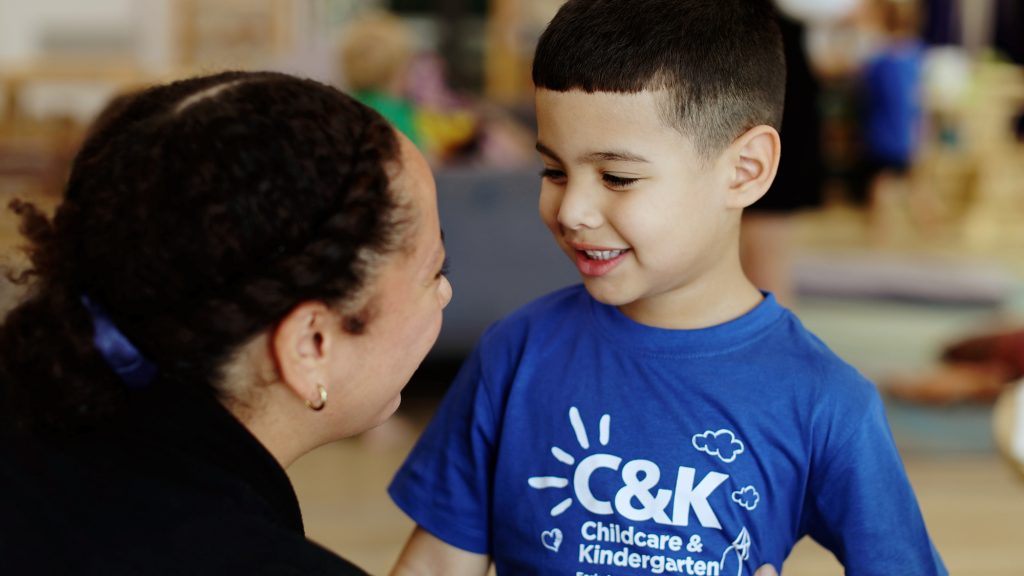
The most telling sign of a nurturing environment is how teachers interact with their students. During your visit, observe if the educators lower themselves to the child’s height when speaking.
This simple act of “eye-level” communication fosters a sense of security and respect. At Cambridge, we emphasize relational pedagogy, ensuring that every child feels seen and heard rather than just managed as part of a group.
A common misconception is that a quiet classroom is a disciplined one. In reality, a high-quality learning environment should have a “productive hum.” This is the sound of children negotiating roles in a game, asking inquisitive questions, and collaborating on projects. Silence often indicates passive learning, whereas a gentle buzz indicates active engagement and cognitive development.
Look at the walls and the activity corners. Is the artwork identical, or does it reflect individual creativity? In the best playgroup in singapore, you should see evidence of inquiry-based learning. This means the curriculum follows the child’s natural curiosity. Instead of just learning about “plants” from a book, children should be seen touching soil, observing growth, and documenting their own unique findings.
Beyond the mandatory temperature checks, look at the transition periods. How do teachers manage hand-washing before meals? Is the equipment well-maintained? In a dense urban setting like Hougang, rigorous hygiene is non-negotiable. Ensure the centre has a clear, transparent protocol for managing common illnesses and that the premises are sanitized frequently without using harsh, irritating chemicals.
Physical development is inextricably linked to cognitive growth. Even in land-scarce Singapore, a top-tier centre will find creative ways to incorporate outdoor play or “half-outdoor” sensory gardens. Check if the children have daily access to large muscle activities—climbing, running, and balancing—which are essential for developing the gross motor skills needed for later academic focus.
Mealtime is a hidden curriculum. It is an opportunity for children to learn about nutrition, independence (setting the table or clearing their plates), and social etiquette. Ask to see the menu. A good centre provides a diverse range of whole foods, minimizing processed sugars and salts. At Cambridge, we view nutrition as fuel for both the body and the brain, ensuring meals are balanced and culturally inclusive.
While the Early Childhood Development Agency (ECDA) sets minimum requirements, a centre that prioritizes quality often maintains better ratios. A lower ratio means the educator can provide personalized attention, particularly during the “toddler” years when emotional regulation is still being developed. Ask the principal how they manage ratios during peak times or teacher absences.
How will you know what your child did today? In 2026, the standard for communication is high. Look for centres that use digital portfolios or dedicated apps to share real-time updates, photos, and developmental milestones. Transparency builds trust. You should feel like a partner in your child’s education, not just a bystander.
While play is the work of the child, the transition to Primary 1 is a reality in Singapore. A “good” preschool provides a gentle bridge to formal schooling. This involves fostering independence—teaching children to pack their own bags, manage their belongings, and follow a slightly more structured routine as they reach K2—without sacrificing the joy of learning through play.
Finally, trust your gut. When you walked into the centre, did you feel a sense of warmth? Did the principal speak passionately about their educators? Did the children look genuinely engaged? A school’s atmosphere is difficult to fake. If the environment feels like a second home, it likely is.
For parents in the Northeast, the choice between a centre in Hougang or a childcare sengkang facility often comes down to the commute. However, consider the surrounding environment. Centres near parks or with quieter residential surroundings allow for a more peaceful learning atmosphere. At Cambridge, we strategically locate our centres to ensure they serve as an extension of the local community, providing a familiar and safe “village” for your child to grow in.
The preschool years are the most formative period of a human’s life. The neural connections made during these early play sessions and social interactions form the architecture of the adult brain. By looking beyond the glossy brochures and focusing on these 10 critical observation points, you ensure that your child is placed in an environment that values their individuality and prepares them for the world of tomorrow.
At Cambridge, we invite you to put our centres to the test. Walk through our doors, use this checklist, and see firsthand how we turn early education into a journey of discovery.