
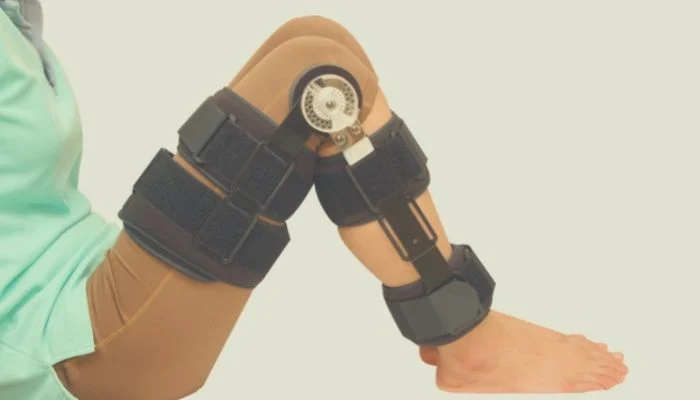
Knee injuries are among the most common musculoskeletal issues affecting people of all ages, particularly athletes and physically active individuals. Among these injuries, anterior cruciate ligament (ACL) tears and sprains are notably prevalent and can significantly impact mobility and quality of life. The use of an Acl brace knee plays a vital role in the effective management and rehabilitation of ACL injuries.
The ACL is one of the key ligaments that stabilise the knee joint. It connects the thigh bone (femur) to the shin bone (tibia), ensuring proper movement and stability. When the ACL is damaged due to sudden twisting, hyperextension, or direct impact, it can lead to knee instability, pain, swelling, and reduced function.
Such injuries often occur in sports like football, basketball, skiing, and rugby, where abrupt stops and pivots are common. Without appropriate treatment and support, an ACL injury can result in long-term complications, including chronic knee instability and early onset osteoarthritis.
Following an ACL injury or surgery, an ACL brace knee is frequently recommended by healthcare professionals to support the healing process. The brace aims to stabilize the knee joint, limit harmful movements, and provide compression to reduce swelling.
Using an ACL brace helps to prevent further injury during daily activities or sports and assists in rebuilding confidence in knee function. It forms a critical component of comprehensive treatment, alongside physiotherapy and rehabilitation exercises.
CTi is a renowned manufacturer of high-quality braces and supports designed to aid in ACL injury recovery. Their Acl brace knee products are engineered using advanced materials and biomechanical principles to offer optimal protection and comfort.
The CTi brace is designed to provide enhanced medial and lateral support, limiting side-to-side knee movement that could exacerbate the injury. Its construction typically includes adjustable straps, rigid or semi-rigid frames, and breathable fabrics that ensure a secure fit without compromising comfort.
One of the notable benefits of the CTi brace is its customised fit, which improves compliance and effectiveness. Properly fitted braces ensure maximum stabilisation while allowing for controlled mobility necessary during rehabilitation.
Moreover, the CTi brace’s design incorporates lightweight materials that reduce fatigue during extended wear. This is particularly important for patients undergoing lengthy recovery programmes or returning to sport post-injury.
Additionally, the brace offers adjustable support levels, enabling progression through different stages of healing. Patients can start with maximum restriction and gradually increase movement as strength improves.
Clinical studies reinforce the positive impact of functional ACL braces like those manufactured by CTi on recovery outcomes. These braces aid in proprioception, the sensory feedback mechanism that helps individuals judge their knee’s position and movement, critical for preventing re-injury.
Furthermore, wearing an ACL brace reduces the risk of secondary injuries that might occur due to instability or compensatory movements. This is essential for athletes eager to safely return to competitive play.
The use of an ACL brace is often recommended immediately after injury diagnosis and following reconstructive surgery. Rehabilitation professionals tailor recommendations based on the severity of the injury and the patient’s activity level.
For non-surgical cases, the brace stabilises the knee during functional activities. In postoperative scenarios, the brace protects the graft and supports gradual return to motion. It is equally useful during exercise routines aimed at strengthening surrounding muscles.
Selecting an appropriate ACL brace involves consideration of fit, durability, support type, and comfort. The CTi range available at supportbrace.com.au offers options suitable for varying needs.
Patients should consult orthopaedic specialists or physiotherapists to identify the most suitable brace style and size. Proper fitting ensures optimum brace performance and prevents complications such as skin irritation or improper knee alignment.
Maintaining the ACL brace knee involves regular cleaning as per manufacturer guidelines to preserve hygiene and material integrity. Users should also inspect the brace for wear and tear, replacing it when structural components weaken.
Consistent use during recommended periods enhances therapeutic benefits. Patients should follow prescribed wearing schedules and notify healthcare providers if discomfort or adverse reactions occur.
The integration of the CTi ACL brace knee into a rehabilitation programme supports safer and more effective recovery. By providing external stability, the brace allows muscles and ligaments to heal under controlled mechanical conditions.
This controlled support facilitates more efficient physiotherapy sessions, as patients feel more secure performing exercises that improve strength, balance, and flexibility.
ACL injuries can be challenging to manage, but advances in brace technology provide invaluable support to patients and clinicians. The CTi ACL brace knee exemplifies the quality and functionality required for effective knee stabilisation and rehabilitation.
Access to specialised products, such as those found on supportbrace.com.au, ensures individuals receive appropriate support, enhancing recovery outcomes and reducing the risk of future injury.
Ultimately, combining the use of an ACL brace knee with appropriate medical intervention and rehabilitation offers the best prospects for restoring knee function and returning to an active lifestyle safely.