
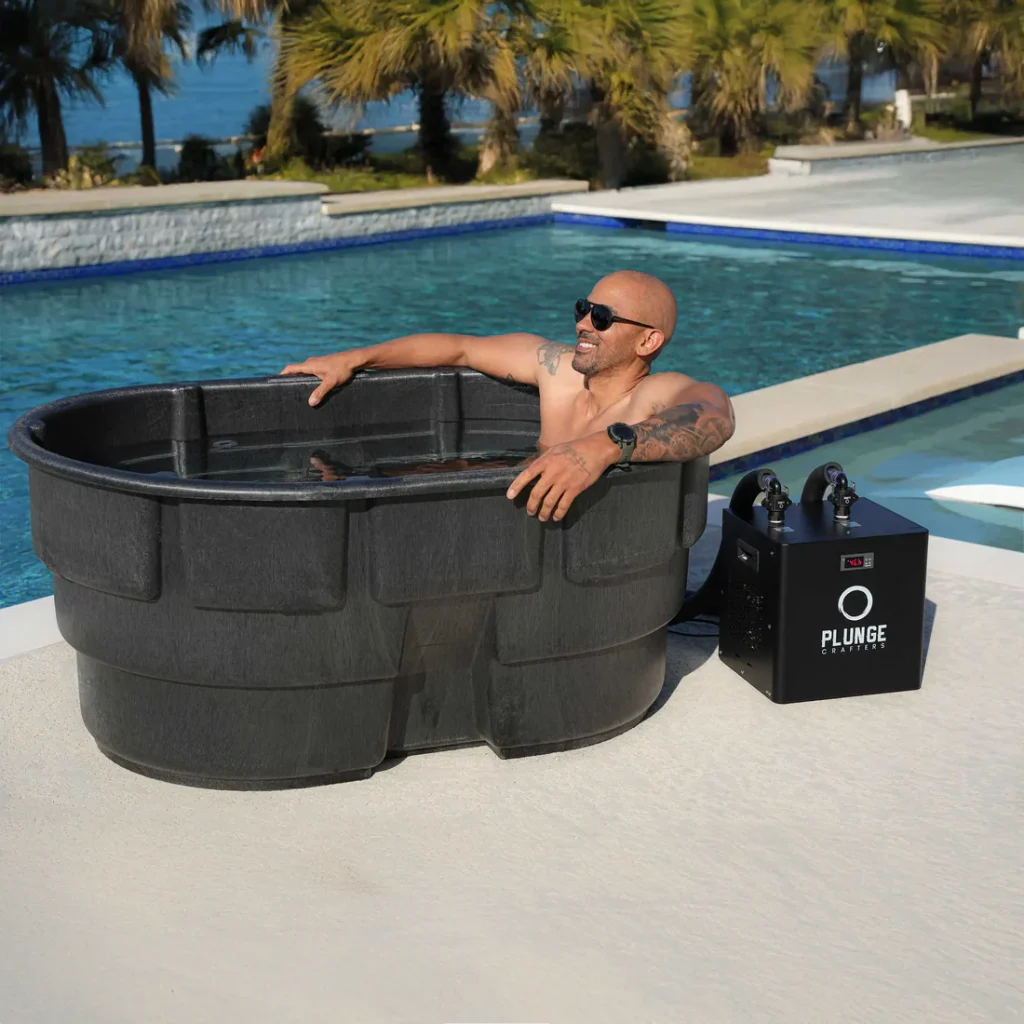
Feeling stiff or sore after workouts? Cold therapy can help your body recover faster and boost mood. This guide walks you through a simple DIY Cold Plunge to build your own ice bath at home.
Discover easy steps for better health right in your backyard. Keep reading to start your cool recovery routine!
A cold plunge is a tub or pool filled with very cold water, usually between 45°F and 60°F. People use it as part of cold therapy or hydrotherapy to help the body recover after exercise or reduce soreness.
Many athletes sit in ice baths for up to five minutes at a time.
You can set up a DIY tub at home using a stock tank, chest freezer, or even an insulated cooler with ice. “Cold plunges are good for recovery and mental toughness,” says Dr. Andrew Huberman from Stanford University.
Cold exposure like this has grown popular in wellness routines across the United States since 2020.
Cold plunging can refresh your body and mind. Many people use this practice to support a healthy lifestyle and feel more energized each day.
Ice bath cold therapy helps muscles heal faster after a tough workout. Immersing in cold water lowers muscle temperature and slows down blood flow. This reduces swelling and pain from tiny tears in the muscles.
Many athletes use this method to ease soreness, prevent injury, and bounce back quicker for the next training session.
A DIY tub or chill tub at home can make cold exposure part of your wellness routine. Studies show that consistent hydrotherapy may decrease inflammation by lowering markers like C-reactive protein in the body.
Next, explore how boosted mental clarity and mood fit into this wellness practice.
Cold therapy triggers the release of endorphins. These chemicals help you feel alert and happy. Many people notice a clear mind after using an ice bath or DIY tub for just two to three minutes.
Studies show that even short sessions can reduce stress and improve focus.
A quick chill in your home improvement cold plunge may also lower anxiety. Cold exposure sends signals to your brain that refresh how you feel mentally. Experts say this type of hydrotherapy supports a positive wellness routine.
Regular brief exposure to cold water has shown benefits on mood and clarity, helping people manage day-to-day stress better.
A cold plunge helps your body push blood toward your organs. This action supports better blood flow and brings fresh oxygen to your muscles. Over time, this simple ice bath routine can make it easier for your heart to pump blood throughout the body.
Ice therapy may also boost your immune system. Cold exposure triggers a mild stress response in the body; white blood cell numbers can rise as a result. Your natural defenses grow stronger with regular cold plunges, giving you extra support against common sicknesses.
Next, explore different DIY tub options that suit any home improvement plan or wellness routine.
You can build a cold plunge at home using different tubs and cooling setups, so keep reading to find the best fit for your space and budget.
Chest freezer conversions offer a simple DIY path to cold therapy. Many people use a chest freezer as their main ice bath tub. Chest freezers are well-insulated and can hold water at low temperatures for longer periods than regular tubs or tanks.
Most freezers cost between $200 and $600, which makes them affordable for home improvement projects.
To set up your own ice bath, seal the inside seams with waterproof silicone to prevent leaks. Add a GFCI plug for safety near water. Some users install filtration systems and digital thermostats to control temperature between 37°F and 55°F.
Always unplug before entering the tub to reduce any risk of electric shock.
Cold plunges help rejuvenate your body after exercise, says Dr. Andrew Huberman, a neuroscientist at Stanford University.
Stock tanks or inflatable tubs work well as other options in your step-by-step guide.
Stock tanks and inflatable tubs are easy choices for a DIY ice bath. Many people pick stock tanks because they last a long time and hold more water. Most stock tanks are made from galvanized steel or tough plastic, so they do not rust or break easily.
They come in sizes like 100 to 150 gallons. These cold plunge tubs cost less than $200 at local farm stores.
Inflatable tubs work well if you need something light or portable. You can fill them with tap water and add ice for instant cold therapy at home. Clean both types often to keep the water safe for use as part of your wellness routine.
With these options, setting up a simple hydrotherapy spot is quick and budget-friendly.
Moving from stock tanks or inflatable tubs, insulated coolers with chillers offer another simple option for a cold plunge. These coolers keep water cold using thick walls and tight lids.
Adding a small water chiller can drop the temperature to 39°F, ideal for cold therapy.
Many people use a large ice chest or marine cooler as their DIY tub. You can connect the chiller with basic plumbing parts, such as hoses and pumps. This method uses less electricity than a full freezer conversion.
It also fits in smaller spaces like bathrooms or balconies, making it great for home improvement projects focused on wellness and recovery routines.
You can make your own ice bath at home with simple tools and easy steps. This guide helps you set up a cold plunge that fits your space and budget.
Building your own cold plunge tub requires specific parts and tools. This guide will help ensure you have everything needed for this DIY project.
This list covers essential items to create a functional cold plunge setup at home.
Building your own cold plunge starts with gathering all the necessary parts and tools. It’s crucial to make a list and check it twice to ensure you have everything before beginning.
Following these steps ensures your DIY cold plunge is ready for use. Regular maintenance keeps it in good shape for years of health benefits.
Once your DIY cold plunge is built, keeping it clean and well-maintained is key. A well-kept ice bath ensures safety and longevity.
Taking these steps will help your DIY cold plunge last longer and provide better health benefits from each ice bath session.
Try new ways to keep your water clean and cold. Make small changes for better comfort and easier use.
A good filtration system keeps your DIY ice bath clean. It removes dirt, body oils, and bacteria from the water. Small pool filters or spa filters work well for most tubs or stock tanks.
You can use a basic cartridge filter with a small pump. Change or clean the filter every one to two weeks. Use tubing that matches your plumbing setup for easy flow.
Adding a UV sanitizer helps kill germs without harsh chemicals. Many people also add hydrogen peroxide in low amounts as an extra step for clean water. Clean water protects your skin and makes cold therapy safer and more enjoyable at home.
Using these simple steps will help keep your chill tub fresh between deep cleans.
After setting up your filtration system, focus on keeping your DIY cold plunge safe during winter and stable in temperature. Ice baths can freeze if not cared for in cold weather. Use foam board insulation or thermal blankets to trap heat inside the tub.
Some people wrap pipes with heating tape to prevent cracks.
Water chillers help you control how cold your ice bath gets year-round. Try digital thermometers for fast readings so you always know the water’s temperature. Keep most home setups between 39 to 55 degrees Fahrenheit for effective cold therapy.
If using a chest freezer, set its thermostat carefully so water never freezes solid or damages plumbing parts.
You can build your own cold plunge at home. This simple DIY project helps you enjoy health benefits like better recovery and mental clarity. With the right tools and tips, keeping your ice bath clean is easy.
Start today to add cold therapy to your wellness routine. Your body and mind will thank you for it!