
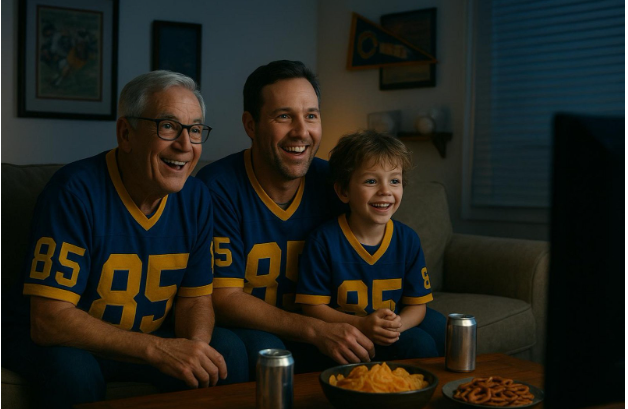
People wear team colors because they create a strong mental link between one person and a larger group, meeting a basic human need for social identity and belonging.
When a fan puts on the colors of their favorite club, it is more than a fashion choice; it is a silent message that shows loyalty, shared values, and emotional commitment. This visual harmony turns a crowd of strangers into a single community, building a sense of “us” that can raise self-esteem and offer social support.
Outside the stadium, this mental connection also shapes what we wear in daily life or in amateur sports. For example, fans of high-performance racing might choose Toyota polo shirts to link themselves to a history of precision and reliability.
By wearing these colors and logos, people start to take on the traits of the brand, feeling more confident and proud, much like the team feels after a strong result on the track.
Sports fandom is closely tied to Social Identity Theory, which says that a person’s idea of who they are is shaped by the groups they belong to. Wearing team colors is the fastest way to show this membership. It creates an instant connection with other fans and builds a feeling of friendship and safety.
This shared identity is so strong that it can even affect how we process information. Brain research shows we process color faster than text, so a stadium full of the same jerseys can bring people together more strongly than any chant or banner.
This sense of belonging also reduces loneliness. When you enter a stadium wearing the same colors as thousands of others, you stop being a passive viewer and become an active part of the event. The “mere exposure effect” means that the more often fans see and wear these colors, the more positive their feelings and loyalty become. Over time, this strengthens the urge to stay part of the “in-group.”
Wearing team colors is about the group, but it is also a very personal act. It lets people show their own values-like resilience, passion, or discipline-through the team they back. For many, a jersey is like “wearable brand psychology” that helps them show who they want to be. If a team is famous for a “never give up” spirit, wearing their colors helps the fan feel that same toughness in everyday life.
Pride is also a big part of this habit. Fans often feel “Basking in Reflected Glory” (BIRGing), where the team’s win feels like their own win. Wearing the colors the day after a big victory keeps that feeling going, lifting the fan’s mood and raising their status among friends and other supporters. It is a visible sign of a “winning identity” that motivates the wearer to face their own challenges with more energy.
For many families and local communities, wearing team colors is a long-standing ritual. These colors become tightly linked with childhood memories, family get-togethers, and unforgettable games. Putting on a certain shirt on match day works like a mental switch that gets the mind ready for the emotional ups and downs of the game, creating a feeling of continuity and tradition that goes beyond the sport itself.
These rituals often involve specific styles or “lucky” items of clothing. Whether it is a particular shade of red or a classic striped design, these visual details act as markers for the fan’s emotional past. They offer a sense of order and predictability in the often-unpredictable world of competitions, making the fan feel that their role-shown through their clothing-is an important part of the team story.
Team colors work as a quick visual sign of unity. When many people wear the same colors, it can lower internal tension and strengthen the bond between them. This applies to both fans and players. Uniform colors reinforce the idea that each person is part of a single unit working toward a shared goal, which matters a lot in high-pressure settings like professional sports.
In the stands, this unity helps create a strong “twelfth man” effect. The sight of a solid block of color can lift the home team and feel intimidating for their opponents. This visual togetherness supports a shared belief that the group’s energy and presence can actually influence what happens on the field.
Colors affect our brain chemistry. Bright, strong colors like yellow or orange tend to lift mood and increase energy. For fans, wearing these shades can improve how they feel and boost excitement during a game. This emotional involvement keeps fans coming back; the buzz of being part of a loud, color-filled crowd is a strong mental reward.
On the other hand, colors like blue can bring calm and stability during tense moments. A fan in blue might feel steadier and more in control during a tight finish. This emotional balance is a key part of the fan experience, helping people handle the highs and lows of a match with a more grounded mindset, supported by what they wear.
When fans buy official gear and wear team colors, they start to feel a sense of “psychological ownership” over the team. They feel they are more than spectators-that the team, in some way, belongs to them. This feeling supports long-term loyalty and makes fans more likely to stay with the team through both bad seasons and good ones.
This ownership links closely with the “endowment effect,” where people value things more just because they own them. A fan’s favorite team jacket or cap becomes a special item with strong emotional meaning. By wearing these pieces, fans blend the team’s identity with their own, so the team’s wins and losses feel personal.
Color psychology shows that different colors spark different physical and emotional reactions. Red, for example, can raise heart rate and adrenaline. It grabs attention and is often tied to energy, urgency, and intensity. Many successful teams use red for this reason; it helps create a fierce, “no mercy” mood that fires up both players and fans.
Blue is often linked to trust and reliability. It has a calming effect, helping to slow breathing and lower stress. Teams choose blue when they want to look professional, disciplined, and cool under pressure. While red demands attention, blue offers reassurance, suggesting that the team is steady and experienced.
Color meanings grow out of both biology and culture. Red is tied to dominance and aggression and is often connected with higher testosterone in competitive situations. Black suggests power, style, and mystery. Teams like the New Zealand All Blacks use black to create a fearsome image that hints at controlled strength.
Yellow and gold are linked to optimism, energy, and status. They are common choices for teams that want to show a sense of “champion glory.” Green represents growth, balance, and natural strength. Teams use green to signal renewal or a close link to local roots and environment. These meanings are widely recognized, letting teams communicate their core values worldwide without speaking. If you want to find gear in your favorite team’s colors, check out the collection at https://www.topracingshop.com/.
The colors an athlete wears can strongly shape how they feel. Studies show that wearing red can make an athlete feel more forceful and dominant, which helps in contact sports. Research from the 2004 Olympic Games found that athletes in red won 55% of their matches, rising to 62% in very close contests.
Colors can also lift motivation when they match an athlete’s personality. Usain Bolt often ran in bright yellow and green, colors that reflected both his Jamaican roots and his lively, showman image. Wearing colors that fit who the athlete is can boost self-belief and help them perform at their best under pressure.
Team colors can act as a mental tactic against opponents. A team dressed in black or dark red may look stronger and more aggressive, leading the other side to play more cautiously. This mental edge is real. In China’s Wushu sanda competitions, athletes wearing red have been found to win about 65% of the time, partly because the color feels more threatening.
But this intimidating effect can also backfire. Studies show that teams in black uniforms tend to get more penalties, as referees may, without realizing it, see them as rougher or more aggressive. For example, the Pittsburgh Penguins’ penalty minutes jumped from 8 to 12 per game after they changed from light blue to black uniforms. This suggests some colors can both unsettle rivals and affect how officials judge behavior.
In sports branding, consistency is key. Famous teams like Manchester United (Red), the Los Angeles Lakers (Purple and Gold), and the Dallas Cowboys (Blue and White) have built their global image around their colors. These colors serve as a visual base, making the team easy to recognize everywhere, from social media to stadium displays.
This visual consistency feeds the “mere exposure effect,” where repeated contact with the same colors builds positive feelings. Over time, the colors themselves stand for the team’s past, values, and big moments. For a sports brand, this is extremely valuable because it builds deep, often subconscious loyalty that can last for many years.
The merchandise market grows out of fans’ need for belonging and public identity. Fans pay higher prices for official kits because these items are a concrete way to join the team culture. Strong color contrasts that look good in photos and stand out in crowds-such as Celtic’s green and white or Manchester United’s red and yellow-can help boost sales.
Many teams also offer “Away” kits and special editions to keep their look fresh. These versions let fans show different sides of their loyalty while still keeping the main brand colors. Seasonal updates like this keep the emotional link between fans and team active, giving people new ways to show their “team spirit” year after year.
When picking a color scheme, teams need to think about the needs of their specific sport. High-energy, full-contact sports may benefit from warm colors like red or orange that boost aggression and drive. Sports that depend on calm focus and fine control, such as archery or golf, may work better with cooler shades like blue or green that support concentration.
Visibility is another key factor. In fast games like soccer or basketball, strong contrasts and clear patterns help players quickly recognize teammates in the middle of rapid action. Teams also need to think about how their colors appear on TV and mobile screens, as many fans follow games through devices where some shades can look washed out or different from real life.
A team’s colors should visually reflect what the team stands for. A club that values discipline and tradition might choose balanced designs and steady colors like navy blue. A bold, high-energy new team might lean toward uneven patterns and bright neon shades to show movement and creativity. Matching the visual style with the team’s story helps the brand feel real and honest to both players and supporters.
Cultural background also plays a big part. Different cultures attach different meanings to the same color. For example, white stands for purity in many Western countries but is linked to mourning in some parts of Asia. Teams with fans across many regions need to study these meanings so their color choices are received positively everywhere and help build a shared sense of pride and unity.
The mental effects of team colors continue even after the final whistle. New research suggests that being around certain colors, such as purple and lavender, can help people relax and feel less tired. Some teams now bring these calming colors into training centers and post-game recovery clothing, helping athletes recover faster from hard matches. This shows that smart use of color can support players all day, not just during the game itself.
The “mere exposure effect” is also growing stronger through digital media. Clubs now use specific hex codes tuned for OLED screens so their colors stay strong and emotionally powerful on phones and tablets. Keeping colors consistent across digital and physical spaces helps maintain the fan’s emotional bond, whether they are in the stadium or scrolling on social media. As digital technology advances, the “science of color” in sports will keep growing, bringing classic psychology together with modern design to build even closer ties between teams and their supporters.