
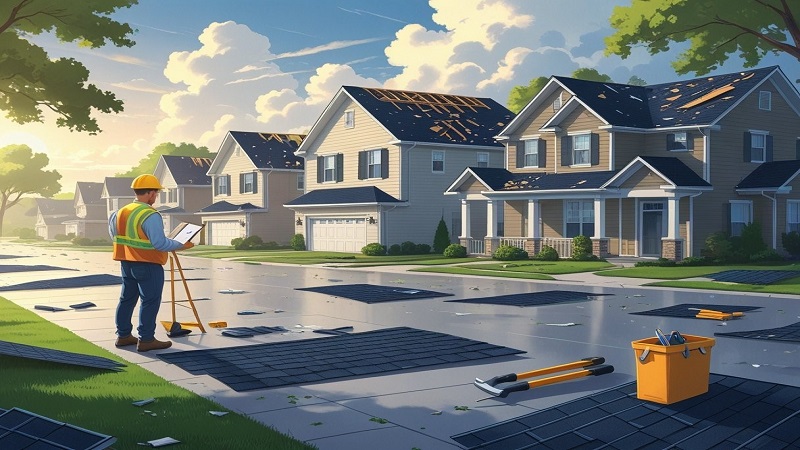
Kansas storms can wreak havoc on homes, especially roofs exposed to the full force of nature. High winds, hail, and torrential rain often leave homeowners facing significant damage that requires immediate attention. After a storm hits, homeowners should immediately document all visible damage with photos, contact their insurance company to file a claim, and reach out to a reputable local roofer for a professional inspection and emergency repairs if needed.
These severe weather events typically occur with little warning, giving residents minimal time to prepare. Many Kansas homeowners find themselves dealing with missing shingles, water leaks, and structural concerns in the aftermath. Understanding the proper steps to take can make the difference between a minor inconvenience and a major financial burden.
Professional roofing contractors in Kansas are well-versed in storm damage and can provide essential guidance through the repair process. They can help identify hidden damage that might not be immediately apparent but could cause significant problems later if left unaddressed.
Immediate Steps to Take After a Kansas Storm
When severe Kansas weather strikes your property, taking prompt action can prevent minor roof damage from becoming a major disaster. Kansas storms often bring unique challenges including high winds, hail, and torrential rain that can compromise your roof’s integrity.
Prioritize Safety First
After a storm passes, personal safety must take precedence over property concerns. Wait until authorities confirm it’s safe to go outside and be aware of potential hazards like downed power lines, weakened structures, or flooding.
Wear appropriate protective gear if you plan to inspect your property. This includes sturdy shoes with non-slip soles, a hard hat, and heavy gloves to protect against sharp debris.
Listen to local weather reports to ensure another storm cell isn’t approaching. Secondary storms can arrive quickly in Kansas, putting you at risk if you’re outside assessing damage.
Keep children and pets away from potentially damaged areas. Even minor structural damage can create unsafe conditions that might not be immediately visible.
Conduct a Preliminary Roof Inspection
Begin with a ground-level assessment using binoculars to spot obvious signs of roof damage. Look for missing shingles, damaged flashing, or visible dents from hail impact.
Check your gutters and downspouts for roofing granules or debris. Excessive granule loss indicates shingle damage that may require professional attention.
Document any visible damage with clear, dated photographs from multiple angles. These images will be crucial for insurance claims and contractor assessments.
Warning signs of serious roof damage:
Never climb onto a storm-damaged roof yourself. Structural integrity may be compromised, making it dangerous even for experienced homeowners.
Document Roof Damage Thoroughly
Create a detailed inventory of all observed damage, noting the location and severity of each issue. This documentation helps establish the storm’s impact for insurance purposes.
Take photographs and videos with timestamps that clearly show the extent of the damage. Include close-ups of specific damage points and wider shots showing the overall condition.
Gather any available evidence of the storm itself, such as weather reports, news coverage, or neighborhood damage patterns. This helps connect the timing of the storm to your roof damage.
Keep all receipts for emergency repairs or temporary measures taken. Insurance companies typically reimburse these costs when they’re reasonable and necessary to prevent further damage.
Contact your insurance provider promptly to report the damage and begin the claims process. Most policies have specific timeframes for storm damage reporting.
Prevent Further Interior Damage
Place buckets under active leaks to collect water and prevent floor damage. Empty these containers regularly to avoid overflow.
Use plastic sheeting or tarps to cover damaged areas and prevent additional water infiltration. Secure these temporary barriers carefully to avoid wind displacement.
Remove valuable items from affected areas whenever possible. Relocate furniture, electronics, and important documents away from leaks or water damage.
Improve ventilation in water-affected areas by opening windows (weather permitting) and using fans to accelerate drying. This helps reduce the risk of mold development.
Document all interior damage related to roof failures, including water stains, damaged drywall, or affected personal property. These secondary damages should be included in your insurance claim alongside the roof damage itself.
Working With Roofing Contractors and Navigating Insurance
After a Kansas storm damages your roof, you’ll need to work with both roofing professionals and your insurance company to restore your home. Proper documentation, selecting the right contractor, and understanding your insurance policy are crucial steps in this process.
Select a Professional Roofing Contractor
Finding a reputable roofing contractor is essential for quality repairs. Homeowners should look for contractors with proper licensing, insurance, and local experience with storm damage repairs.
Ask for references and check online reviews before making a decision. Experienced contractors will have knowledge of local building codes and weather patterns specific to Kansas.
Verify that the roofing contractor offers warranties on both materials and workmanship. A legitimate contractor will provide detailed written estimates that include scope of work, materials to be used, and project timeline.
Avoid contractors who demand large upfront payments or pressure homeowners to sign contracts immediately after storms. Reputable professionals understand the insurance claim process and can help guide homeowners through it.
Initiate the Insurance Claim Process
Contact your insurance company as soon as possible after storm damage occurs. Most homeowner’s insurance policies have specific timeframes for reporting damage.
Document all damage thoroughly with photos and videos before any temporary repairs are made. This evidence will be crucial for your claim.
The insurance company will assign an adjuster to assess the damage. Try to schedule the adjuster’s visit when your roofing contractor can be present to ensure all damage is properly identified.
Review your policy to understand your coverage limits, deductible amounts, and any exclusions that might apply. Many Kansas policies have specific provisions for wind and hail damage.
Keep detailed records of all communications with your insurance company, including names, dates, and summaries of conversations. Be prepared to provide proof of previous roof maintenance if requested.
Coordinate Emergency Roof Repairs
Immediate action may be necessary to prevent further damage to your home. Most insurance policies require homeowners to take reasonable steps to protect property after storm damage.
Qualified roofing contractors can provide emergency services such as tarping and temporary patching to prevent water infiltration. These emergency measures are typically covered by insurance policies.
Document all emergency repairs with photos before and after work is completed. Keep all receipts for materials and services for insurance reimbursement.
Ensure any contractor performing emergency repairs is also capable of handling permanent repairs later. This continuity can make the restoration process more efficient.
Avoid attempting DIY emergency repairs that could compromise safety or void insurance coverage. Professional roofers have the proper equipment and training to work safely on storm-damaged structures.
Understand Roof Repair and Replacement Options
Insurance may cover either repairs or full replacement depending on the extent of storm damage. Partial repairs are typically approved when damage is limited to specific areas.
Complete roof replacement is usually warranted when damage is extensive or the existing roof is older. Most residential roofs in Kansas are designed to withstand typical weather conditions but may need replacement after severe storms.
Discuss material options with your contractor that offer improved resistance to future storm damage. Impact-resistant shingles may qualify for insurance discounts.
Consider long-term value rather than just immediate costs when selecting roofing materials. Higher-quality materials may offer better protection against Kansas’s severe weather patterns.
Ask about enhanced warranty options that might be available with premium roofing systems. Some manufacturers offer extended coverage when materials are installed by certified contractors.