
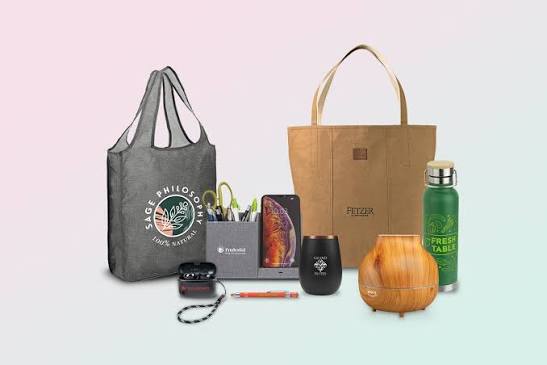
The landscape of corporate promotion has undergone a radical transformation over the last decade. Historically, the industry was defined by volume over value, where businesses would distribute inexpensive, disposable items in hopes of gaining brief brand exposure. However, as global awareness regarding environmental preservation and social responsibility has intensified, this old model has become a liability rather than an asset. Modern consumers and business partners now view a company through the lens of its environmental footprint, making the choice of promotional merchandise a critical reflection of corporate values.
When a business chooses to distribute low quality plastic items that inevitably end up in a landfill, they are inadvertently sending a message that their brand is disposable. Conversely, sourcing sustainable branded items for business promotion demonstrates a commitment to longevity, quality, and ethical stewardship. This shift is not merely about optics; it is about aligning marketing efforts with the growing demand for corporate transparency. Brands that lead with sustainability often find deeper resonance with their target audience, fostering a sense of shared purpose that transcends the simple exchange of a physical product.
Sustainability is often used as a broad marketing term, but in the context of professional branding, it requires a nuanced understanding. Truly sustainable merchandise is characterized by its entire lifecycle, from the raw materials harvested to the conditions under which it was manufactured and its ultimate end of life disposal. It is no longer enough for an item to be labeled as green; it must prove its credentials through tangible metrics.
By working with an established provider like Totally Branded, companies can gain access to a curated selection of items that meet these rigorous criteria. Understanding these definitions helps marketing managers move beyond greenwashing and toward genuine environmental advocacy.
Greenwashing occurs when a company provides misleading information about how its products are more environmentally sound. In the promotional world, this often looks like a plastic pen being marketed as eco friendly simply because it contains a small percentage of recycled material. To avoid this trap, businesses must demand transparency and look for specific data points regarding recycled content and carbon offsets.
The materials chosen for branded merchandise dictate the environmental impact more than any other factor. When sourcing sustainable branded items for business promotion, the primary goal should be to replace virgin plastics and non renewable synthetics with innovative alternatives.
A comprehensive lifecycle analysis considers how long a recipient will actually keep the item. A high quality stainless steel bottle might have a higher initial carbon footprint than a plastic one, but because it lasts for years and replaces thousands of single use cups, its net impact is overwhelmingly positive.
The most sustainable product is one that is actually used. Utility is the cornerstone of effective green marketing. When selecting items, businesses should consider the daily habits of their target demographic. If a promotional gift sits in a drawer or is discarded immediately, its environmental cost outweighs any perceived marketing benefit.
Focus on items that solve a problem or enhance a lifestyle. For example, high quality tech accessories made from FSC certified wood or recycled aluminum provide daily utility while acting as a constant brand reminder. Custom stationery made from seed paper offers a unique experience where the recipient can plant the paper after use, turning a business card or flyer into a patch of wildflowers.
The item should also reflect the specific industry of the business. A tech firm might opt for solar powered chargers, while a wellness brand might choose cork yoga mats or organic cotton tote bags. When the product aligns with the brand identity, the sustainability message feels organic and authentic. Partnering with experts such as Totally Branded allows businesses to browse extensive catalogs that categorize items by material and use case, ensuring a perfect match for any campaign.
In a globalized market, verifying the claims of manufacturers can be challenging. This is where third party certifications become invaluable. They provide an objective standard that guarantees the product meets specific environmental or social benchmarks.
Ensuring that your promotional partner, such as Totally Branded, prioritizes these certifications provides peace of mind that your brand is not inadvertently supporting exploitative practices. Ethical supply chains are the backbone of a modern, responsible business strategy.
There is a common misconception that sustainable sourcing is prohibitively expensive. While the unit price of an organic or recycled item may be higher than its conventional counterpart, the return on investment is often much greater.
A strategic partnership with Totally Branded can help businesses find the right balance between budget and environmental impact. By focusing on quality over quantity, a company can achieve a more significant marketing impact while staying within their designated promotional spend.
Transitioning to a sustainable promotional model requires a shift in internal processes. It is not just about changing what you buy, but how you buy it.
Begin by reviewing previous promotional campaigns. Identify which items were most popular and which were likely discarded. This data helps in making informed decisions for future orders. Look for patterns in durability and recipient feedback to guide the next phase of procurement.
Define what success looks like for your green initiatives. This could be a commitment to using 100 percent recycled materials for all event giveaways or ensuring that all apparel is sourced from Fairtrade certified factories. Having clear goals makes it easier to communicate requirements to suppliers.
Sustainability also involves logistics. Shipping heavy items halfway across the world creates a massive carbon footprint. Whenever possible, source from suppliers that have localized distribution or robust carbon offset programs. Using a professional service like Totally Branded ensures that logistics are handled efficiently, often reducing the overall environmental impact of the delivery process.
The future of business promotion lies in the intersection of technology and ecology. We are seeing the rise of digital integration within physical products, such as QR codes on recycled notebooks that lead to digital whitepapers or impact reports. This reduces the need for printed brochures while adding value to the physical gift.
Another emerging trend is the focus on carbon neutral products. Some manufacturers are now calculating the exact carbon cost of an item and offsetting it through reforestation or renewable energy projects before it even reaches the customer. This allows businesses to claim that their promotional efforts are net zero.
Furthermore, the rise of circularity means we will see more take back programs. Imagine a brand providing high quality workwear and then offering a way for the customer to return the garment at the end of its life to be recycled into new fibers. This level of commitment builds incredible brand loyalty and sets a company apart as a true leader in the green revolution. By staying ahead of these trends and choosing the right partners, businesses can ensure their promotional strategies remain relevant, respected, and responsible for years to come.