
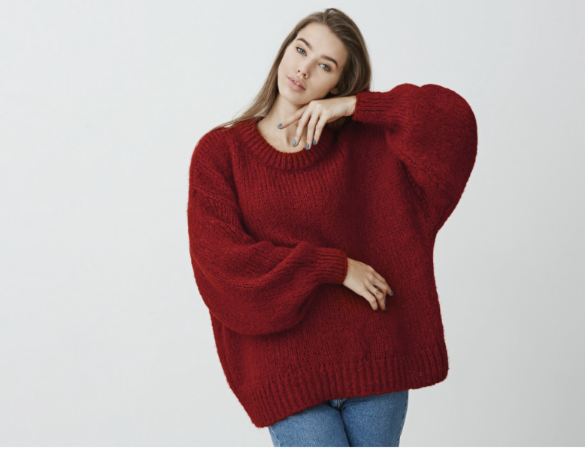
Winter dressing in the country sits in a narrow, often misunderstood space. The weather does not require heavy clothing, yet indoor environments demand warmth. Malls, offices, cafés, and even evening gatherings remain aggressively air-conditioned. Clothing, therefore, needs restraint rather than drama. This is where a sweater for women becomes relevant, not as a trend, but as a quiet solution.
A good sweater settles into an outfit and allows the rest of the look to function. Continue reading to understand various ways you could style a sweater in various settings.
Sweater styles that stay in rotation
Some sweaters are worn once, while others stay in rotation. For instance, crew neck styles usually last longer. The neckline is clean and unobtrusive. It works with denim and tailored trousers. Besides, crew neck cardigans for women also complement skirts.
V-neck sweaters feel slightly more deliberate. They are often chosen for workdays because they sit well over shirts. The neckline creates structure and leaves space for layering. High-neck and turtleneck sweaters are mostly functional. They make sense in offices, meeting rooms, and enclosed spaces.
Cardigans remain useful because they allow movement through the day without committing to one look. Knitted and cable styles bring texture, though they need simplicity elsewhere. Ribbed and cropped sweaters work best with high-waisted bottoms. Polo sweaters sit between casual and formal. They give the body a shape without stiffness.
Styling without drawing attention
The best women’s sweater outfits do not look styled; they look effortless. For instance, fitted sweaters pair naturally with straight trousers or skirts. The result feels calm and appropriate.
Oversized sweaters require restraint. Slim jeans or leggings usually balance the volume. Without contrast, the outfit loses shape quickly.
Layering should stay minimal. A shirt under a crew or V-neck works when only the collar shows. Draping a sweater over the shoulders can work, but only when everything else stays simple. Accessories should be chosen for use, not decoration.
Fit over fashion
Most sweater mistakes come down to fit. Petite frames benefit from shorter lengths or closer cuts, especially with high-rise bottoms. It keeps proportions steady.
Curvier silhouettes look better in sweaters that follow the shape and are not very tight. Shape matters more than stretch. Taller frames carry longer or looser styles easily, provided the bottoms stay slim. Athletic builds benefit from textured knits that add softness and depth.
Certain styles rarely fail. V-necks, polo sweaters, cardigans, and plain crew necks usually adapt well.
Wearing sweaters to work
Office dressing allows little experimentation. Neutral colors are reliable. Beige, camel, navy, grey, and black repeat well without looking tired. Simple patterns work, while loud colors, heavy knits, and visible branding usually do not.
V-neck sweaters over collared shirts remain dependable. Crew neck styles work when kept plain and paired with blazers. Sweater vests are great, too. They add warmth without hiding structure. Turtlenecks pair well with tailored trousers or skirts. The look feels controlled and appropriate.
Oversized sweaters and sweater dresses
Oversized cardigans need structure somewhere. That said, when worn as dresses, leggings, or slim trousers help ground the look. A belt can add definition, but the footwear should remain practical. Flats or boots feel right; heels usually do not.
Sweater dresses work for winter workdays when sized properly. Heavy layers underneath rarely help. A blazer adds definition without changing the tone.
Color that feels settled
Color impacts how finished an outfit looks. Neutrals feel stable and repeatable, while earthy tones and muted pastels work better than sharp shades. These colors sit well in indoor spaces and suit the winter without feeling heavy.
Conclusion
A sweater for women needs to fit, sit well, and move easily through the day. When those things are right, it becomes part of everyday dressing rather than something that needs styling rules.