
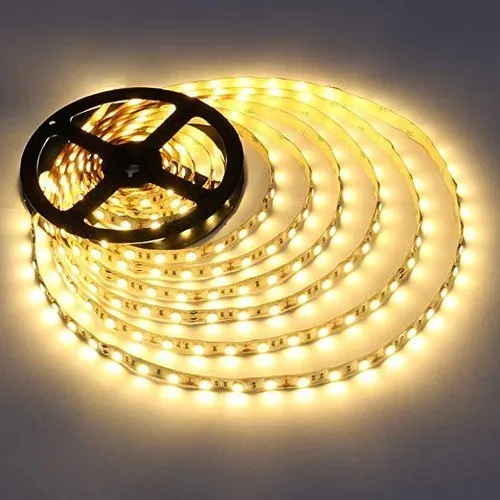
LED lighting has become a staple in modern design, offering versatility, energy efficiency, and aesthetic appeal. From homes to offices and industrial setups, LED strips provide a flexible solution for creating functional and decorative lighting. However, achieving optimal performance requires careful attention to both the LED strips themselves and the power supplies that drive them. Understanding the key factors in selection and integration ensures reliable operation and long-lasting results.
Understanding Custom LED Strips
Custom LED strips differ from standard LED solutions in their adaptability. They allow precise control over length, brightness, color temperature, and flexibility. Users can select strips with specific features, such as waterproofing for outdoor use, high-density LED chips for brighter output, or RGB configurations for dynamic color effects. Customization also extends to the type of adhesive backing and mounting options, enabling seamless integration into any environment.
When choosing a custom LED strip, consider the installation location and purpose. For residential spaces, warm white LEDs may create a cozy atmosphere, while cooler tones suit workspaces. In commercial settings, high-lumen strips can highlight architectural elements or display products effectively. Industrial applications often require robust strips with heat resistance and higher durability.
Selecting the Right LED Power Supply
A reliable power supply is crucial for maintaining consistent performance and safety. LED strips operate on low-voltage direct current, which requires accurate conversion from standard AC mains power. Selecting a compatible LED power supply ensures the LEDs receive the correct voltage and current, preventing flickering, dimming, or damage.
When evaluating power supplies, consider both the total wattage of the LED strips and any additional components, such as controllers or dimmers. Overloading a power supply can lead to overheating or failure, while an undersized unit may reduce brightness and shorten LED lifespan. Efficiency ratings, safety certifications, and durability also play a role in long-term reliability.
Integrating Custom LED Strips with Power Supplies
Working with a Custom LED Strip Manufacturer helps ensure the chosen LED strips match the intended application and power requirements. These manufacturers provide guidance on strip specifications, installation techniques, and suitable connectors. Proper installation starts with measuring the space accurately, cutting strips to size if needed, and connecting them to the power supply using appropriate connectors.
Maintaining correct polarity and secure connections prevents common issues such as flickering or partial lighting. Voltage drop over long runs can be mitigated by injecting power at multiple points or using thicker wiring. Installing a power supply with adequate headroom above the strip’s total wattage also improves stability and prevents overheating.
Optimizing LED Performance
LED performance is influenced by both the quality of the strips and the power supply. Using a high-quality LED Power Supply improves energy efficiency and extends the lifespan of the installation. Power supplies with stable voltage output reduce the risk of flickering or color shifts, especially in setups with dimming or smart lighting controls.
Integrating automation, such as timers or app-based controls, allows more precise management of energy consumption and lighting schedules. Proper heat dissipation, through aluminum channels or adequate spacing, also prevents degradation over time. Regular monitoring and occasional adjustments can maintain performance, even as system demands evolve.
Maintenance and Troubleshooting
Routine maintenance keeps LED installations running efficiently. Dust, moisture, and physical damage are common causes of reduced performance. Checking connectors, cleaning surfaces, and ensuring the power supply is operating within specifications prevents many issues.
Troubleshooting flickering, dimming, or complete outages often starts with verifying voltage at the strip and inspecting the power supply for faults. Upgrading components, such as using a higher-capacity power supply or adding additional controllers, can resolve recurring problems and improve reliability.
Conclusion
Choosing the right custom LED strips and pairing them with a reliable power supply is essential for achieving consistent lighting performance. By considering specifications, installation practices, and ongoing maintenance, you can create efficient and durable LED setups. Integrating solutions from reputable sources ensures safety, stability, and optimal output, whether for residential, commercial, or industrial applications. Proper planning and attention to detail prevent common pitfalls and maximize the benefits of LED technology.