
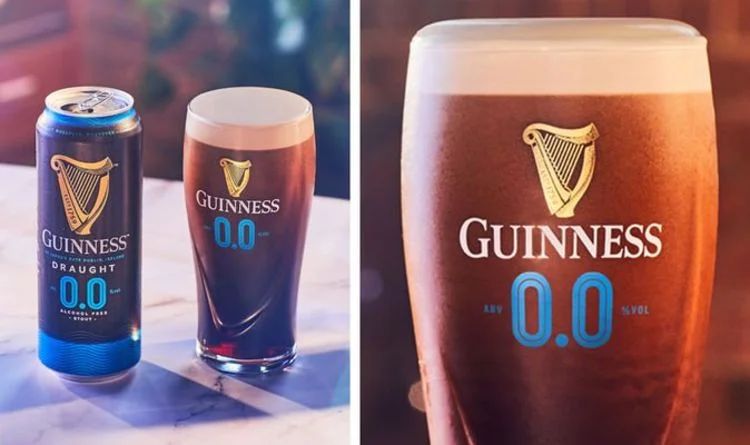
How many calories in Guinness Zero is one of the most searched beer nutrition questions in 2026, and the answer surprises most people.
Guinness Zero, officially called Guinness 0.0, contains just 17 calories per 100ml, which works out to approximately 75 calories per 440ml can and around 97 calories per full pint.
That is less than half the calorie count of regular Guinness Draught. Despite tasting almost identical to the original, this alcohol-free stout has dramatically fewer calories simply because alcohol has been removed.
Whether you are watching your weight, cutting back on drinking, or just curious about what is in your glass, this complete 2026 guide has every number you need.
Guinness Zero is the alcohol-free version of the world-famous Irish dry stout brewed at St. James’s Gate in Dublin.
It is officially named Guinness 0.0, where the “0.0” refers to alcohol content, not calorie count. This is a common source of confusion for people new to the drink.
The beer is brewed using the same core ingredients as regular Guinness: water, malted barley, roasted barley, hops, and yeast. After fermentation, the alcohol is removed using a cold filtration process that preserves the flavour.
First launched in 2020, it was briefly recalled for quality improvements before relaunching successfully in 2021. It is now available across the UK, Ireland, the US, Canada, and many other global markets.
How many calories in Guinness Zero depends entirely on the serving size you are looking at.
Here is a clear breakdown of Guinness Zero calories across every common serving size so you can track your intake accurately.
| Serving Size | Guinness Zero Calories |
|---|---|
| 100ml | 17 kcal |
| 330ml bottle | Approx. 56 kcal |
| 440ml can (UK standard) | Approx. 75 kcal |
| 500ml can | Approx. 85 kcal |
| Pint / 568ml | Approx. 97 kcal |
| US 12oz can (355ml) | Approx. 57–60 kcal |
| US 14.9oz can (440ml) | Approx. 75 kcal |
These numbers come from the official Guinness nutrition label. At just 17 kcal per 100ml, Guinness Zero sits among the lowest calorie options in the entire non-alcoholic beer category.
This is the comparison most people are searching for when they look up how many calories are in Guinness Zero.
Regular Guinness Draught has an ABV of 4.1–4.2% and contains approximately 35 kcal per 100ml. A standard pint runs between 200–210 calories.
Guinness Zero comes in at roughly half that figure across every serving size, making it one of the most dramatic calorie reductions available in any mainstream beer brand.
| Serving Size | Guinness Zero Calories | Regular Guinness Calories | Calories Saved |
|---|---|---|---|
| 100ml | 17 kcal | 35 kcal | 18 kcal |
| 330ml | 56 kcal | 115 kcal | 59 kcal |
| 440ml can | 75 kcal | 154 kcal | 79 kcal |
| Pint (568ml) | 97 kcal | 210 kcal | 113 kcal |
If you swap two pints of regular Guinness for two pints of Guinness Zero on a night out, you save over 220 calories. Over a week, that adds up fast.
Understanding how many calories are in Guinness Zero is important, but the full nutrition picture matters just as much.
Here is the complete nutritional breakdown per 100ml of Guinness Zero 0.0 based on the official label.
| Nutrient | Guinness Zero (per 100ml) | Regular Guinness (per 100ml) |
|---|---|---|
| Calories | 17 kcal | 35 kcal |
| Carbohydrates | 3.8g | 2.7g |
| Sugar | 0.7g | 0.2g |
| Fat | 0g | 0g |
| Protein | 0.3g | 0.4g |
| Alcohol (ABV) | 0.0% | 4.1–4.2% |
| Sodium | Negligible | Negligible |
One interesting point: Guinness Zero has slightly more carbs per 100ml than regular Guinness. This surprises most people. The reason is explained in detail below.
The answer to why Guinness Zero has so many fewer calories comes down to one ingredient: alcohol.
Alcohol contains 7 calories per gram. That is almost as calorie-dense as fat, which provides 9 calories per gram. In comparison, carbohydrates and protein each contain just 4 calories per gram.
In a standard pint of Guinness at 4.2% ABV, the majority of calories come from alcohol alone. The barley, hops, and malt contribute far less by comparison.
When cold filtration removes the alcohol from Guinness Zero, those 7-calories-per-gram units disappear entirely. Even though a small amount of sugar is added back during brewing to compensate for flavour and body, the total calorie count drops dramatically.
This is why Guinness Zero has slightly more carbs per 100ml than regular Guinness — brewers add a small amount of sugar to replace the mouthfeel and sweetness that alcohol provides — but the total calories are still much lower because sugar calories (4 cal/g) are far less dense than alcohol calories (7 cal/g).
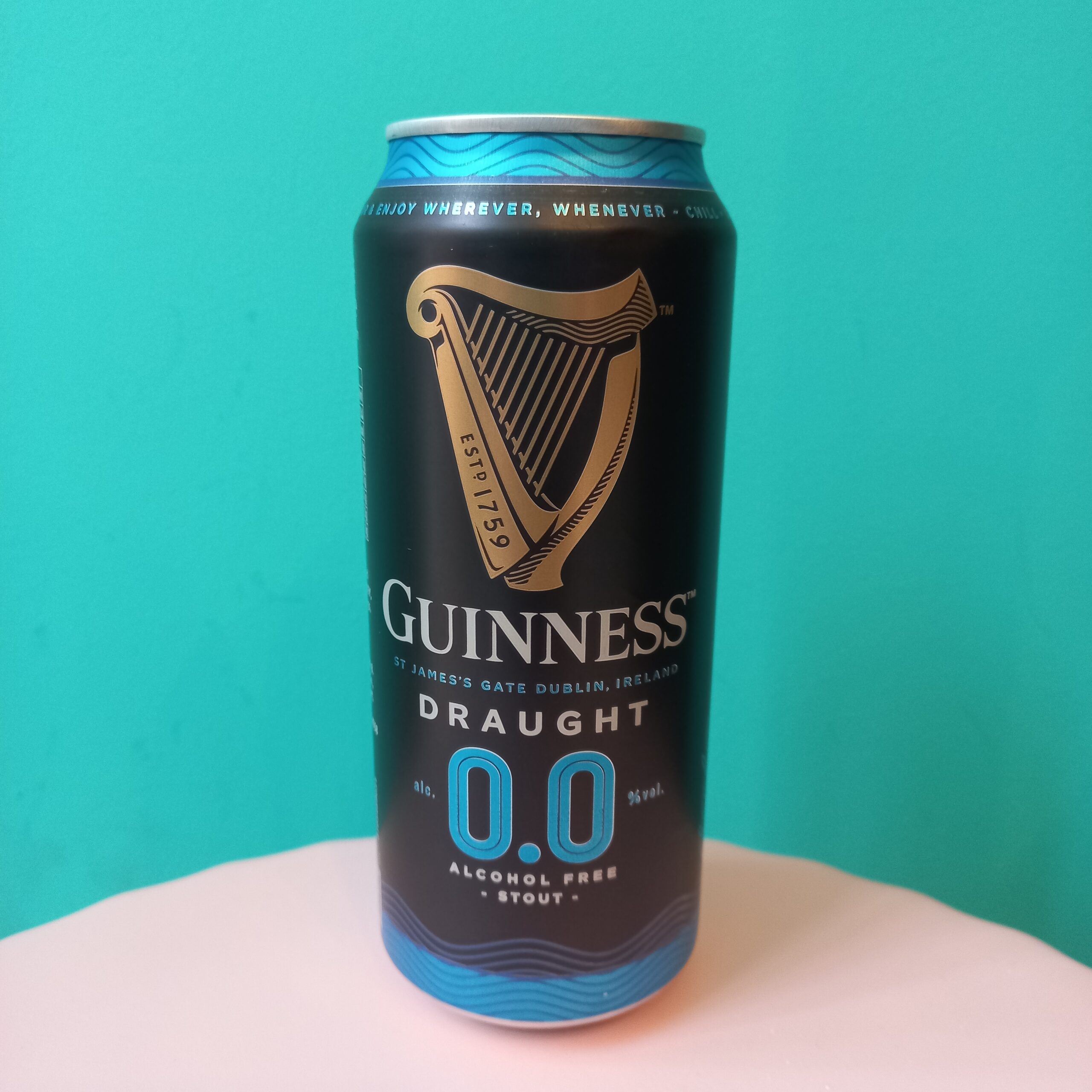
Many people searching how many calories in Guinness Zero are also tracking carbohydrate intake, particularly for keto or low-carb diets.
Guinness Zero contains 3.8g of carbs per 100ml, which equals approximately 16.7g of carbs in a 440ml can and about 21.6g of carbs per pint.
This is more carbs than regular Guinness, which has 2.7g per 100ml. But it is still well within a moderate carb range for most dietary frameworks.
If you are on a strict ketogenic diet, Guinness Zero is not a zero-carb option. However, if you follow a general low-carb diet and allow for occasional treats, one can is unlikely to push you out of ketosis.
Sugar content is another key concern for people researching Guinness Zero nutrition.
Guinness Zero contains 0.7g of sugar per 100ml. That is approximately 3g of sugar per 440ml can, which is very low by any standard.
For comparison, a regular soft drink typically contains 10–12g of sugar per 100ml. Guinness Zero at 0.7g per 100ml is dramatically lower.
The sugar comes primarily from fructose added during the brewing process to maintain body and sweetness after alcohol removal. There are no artificial sweeteners in the formulation.
For those monitoring sugar intake for diabetic or dietary reasons, Guinness Zero is a far better choice than most sweetened beverages on the market.
Searching how many calories in Guinness Zero often goes hand in hand with weight loss planning.
The short answer is yes, in the context of moderation. Swapping regular Guinness for Guinness Zero saves approximately 113 calories per pint. If you drink three pints in an evening, that is a saving of over 330 calories just from switching brands.
Over a month of regular pub visits, those savings compound significantly and can contribute meaningfully to a calorie deficit.
However, Guinness Zero is not a diet product. It still contains calories, carbs, and sugar. It should be treated as a lighter alternative within an overall balanced diet, not as a free pass for unlimited consumption.
Combined with regular exercise and a calorie-controlled diet, switching to Guinness Zero is a practical and sustainable way to reduce alcohol-related calorie intake without giving up the social experience of going to the pub.
This question comes up often alongside searches for how many calories in Guinness Zero.
Guinness Zero is not strictly keto friendly. A 440ml can contains approximately 16.7g of carbs, which represents a significant portion of the typical 20–50g daily carb limit on a ketogenic diet.
If you are in the early strict phase of keto, it is best to avoid Guinness Zero entirely. If you are in a maintenance phase with a higher carb allowance, a single can on occasion is unlikely to cause serious disruption.
Always factor the carbs from Guinness Zero into your total daily macro count rather than treating it as a free drink.
Expectant mothers sometimes search for Guinness Zero calories alongside questions about safety during pregnancy.
Guinness Zero contains 0.0% ABV. However, it is worth noting that 0.0% ABV by commercial standards means the alcohol level is below the detectable limit, which is typically set at 0.05% ABV.
This trace level is found naturally in many everyday foods including fruit juice, ripe bananas, and bread. The NHS and most medical organisations acknowledge this but advise pregnant women to consult their doctor before consuming any product that was originally brewed as an alcoholic drink.
If you are pregnant and concerned, speak with your midwife or GP before adding Guinness Zero to your diet. This is general guidance and not medical advice.
People managing diabetes often pay close attention to both calories and sugar content, which is why many arrive at searches for how many calories in Guinness Zero.
With only 0.7g of sugar per 100ml and a low overall calorie count, Guinness Zero is a relatively diabetes-friendly beverage compared to most mainstream drinks.
However, the carbohydrate content of 3.8g per 100ml will still influence blood sugar levels for some individuals. The glycaemic impact will vary depending on the individual, their medication, and the rest of their diet.
Anyone managing diabetes should consult their doctor or dietitian before regularly consuming Guinness Zero as part of their dietary plan.
Knowing how many calories are in Guinness Zero is more meaningful when you see it alongside competitors.
Guinness Zero is one of the lowest calorie non-alcoholic beers available in 2026. Here is how it compares to other popular NA options.
| Beer | Calories per 100ml | Calories per 330ml | ABV |
|---|---|---|---|
| Guinness Zero 0.0 | 17 kcal | 56 kcal | 0.0% |
| Heineken 0.0 | 21 kcal | 69 kcal | 0.0% |
| Beck’s Blue | 22 kcal | 73 kcal | 0.05% |
| Peroni 0.0% | 20 kcal | 66 kcal | 0.0% |
| Budweiser Zero | 18 kcal | 59 kcal | 0.0% |
| Stella 0.0 | 24 kcal | 79 kcal | 0.0% |
| Lucky Saint | 26 kcal | 86 kcal | 0.5% |
| Big Drop Galactic Stout | 28 kcal | 92 kcal | 0.5% |
Guinness Zero performs consistently well in the calorie comparison, sitting near the bottom of the range across all NA beers. Where it truly stands out is taste — it is widely rated as the closest non-alcoholic beer to its full-strength counterpart.
Understanding the production method helps explain how Guinness Zero achieves its low calorie count without sacrificing flavour.
The brewing team at St. James’s Gate begins by making a full-strength batch of Guinness using the standard recipe: water, malted barley, roasted barley, hops, and yeast. This creates the complex roasted flavour profile Guinness is known for.
Once fermented, the beer goes through a gentle cold filtration process. Unlike heat-based dealcoholisation methods, cold filtration does not apply thermal stress to the liquid. This means the delicate flavour compounds, including the notes of coffee, dark chocolate, and creamy mouthfeel, are preserved intact.
The alcohol is stripped out without cooking the beer, which is why Guinness Zero tastes so remarkably close to regular Guinness. A small amount of natural flavouring is added back to compensate for any difference, which is why you may see “natural flavours” listed in the ingredients.
The nitrogen widget used in cans ensures the signature creamy head forms just as it does in regular Guinness, completing the experience.
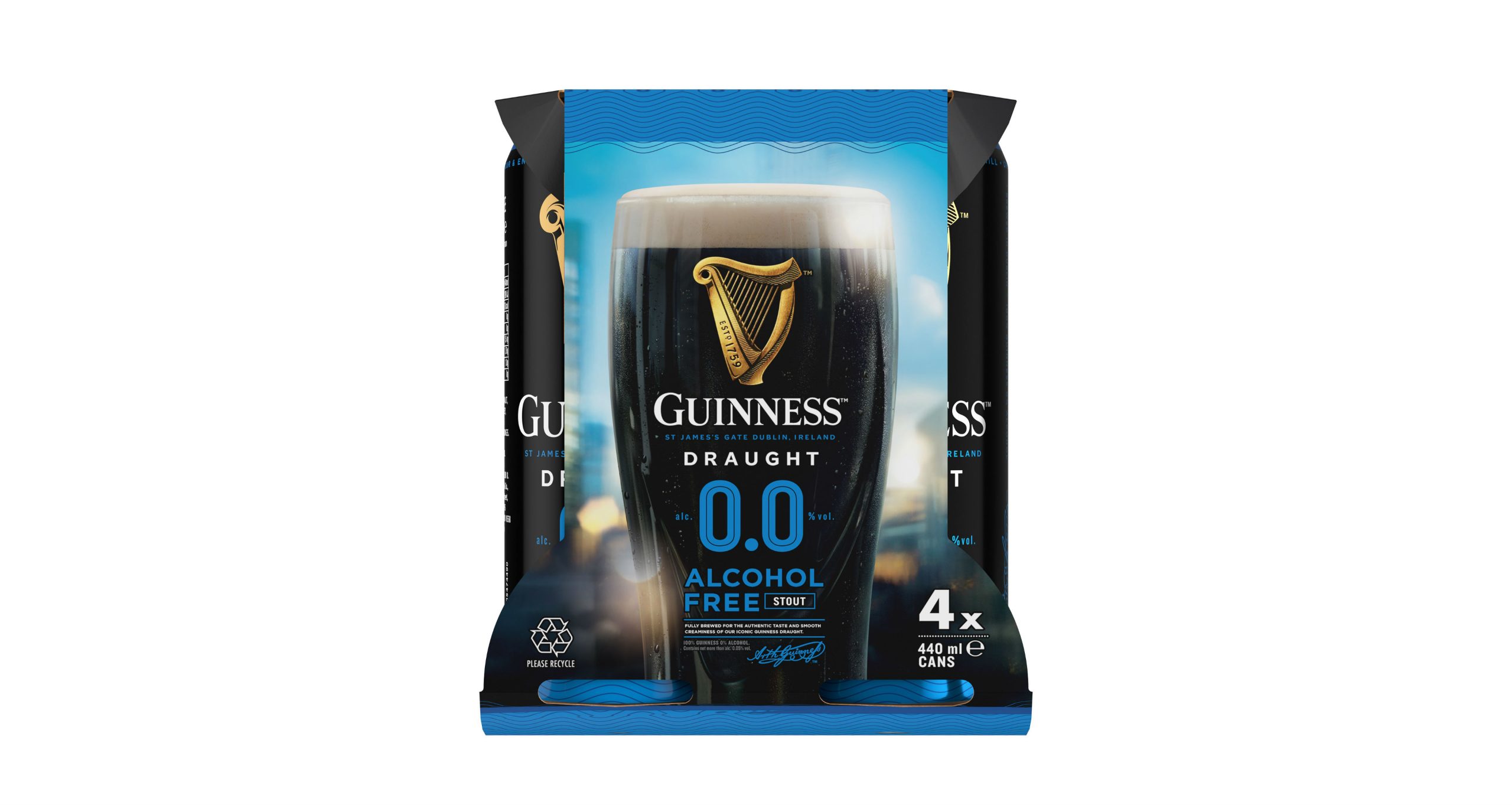
The interest in how many calories are in Guinness Zero reflects a much bigger cultural shift happening across the UK, Ireland, the US, and beyond.
The mindful drinking movement has grown substantially in the 2020s. More consumers in 2026 are choosing to reduce or eliminate alcohol not just for health reasons but for mental clarity, fitness goals, improved sleep, and lifestyle balance.
Guinness Zero sits at the intersection of this trend perfectly. It allows people to participate in social occasions — the pub, a match day, a dinner — without consuming alcohol or loading up on calories.
The “sober curious” movement, Dry January, and the growing Ozempic-driven focus on calorie awareness have all contributed to the surge in searches for Guinness Zero calories and non-alcoholic beer nutrition facts.
By offering the full Guinness experience at under 100 calories per pint, Guinness has made one of the most credible entries into the NA beer category of any major global brand.
Guinness Zero is widely available across multiple retail channels in the UK, Ireland, and the US.
In the UK, it is stocked in most major supermarkets including Tesco, Sainsbury’s, Asda, Morrisons, and Waitrose. It is also available in many Co-op stores and independent off-licences.
In the US, it can be found at Total Wine, Walmart, Target, and most large liquor stores. A four-pack of 14.9oz cans typically retails between $7.99 and $9.99 depending on the retailer.
On draught, an increasing number of pubs in the UK and Ireland now serve Guinness Zero as a standard option. Check the Guinness website for a draught stockist finder in your area.
It is also available to order online through Amazon, Ocado, and direct from Diageo’s retail partners with next-day delivery options in most UK regions.
For anyone using Guinness Zero as part of a calorie-controlled diet, here are some practical tracking tips.
Always log the actual volume you consumed rather than assuming all cans are 440ml. US and UK cans are different sizes. A US 12oz can is 355ml and contains approximately 57–60 calories, while the UK 440ml can contains approximately 75 calories.
If you are drinking Guinness Zero on draught at a pub, a standard pint of 568ml contains approximately 97 calories. A half-pint is around 48 calories.
Use apps like MyFitnessPal, Cronometer, or Nutracheck to log your intake. Guinness 0.0 is listed in most major food databases. Search for “Guinness 0.0” or “Guinness Zero 440ml” to find the correct entry.
Do not double count. If you log a pint, you are logging the full 568ml calories. Some pub servings may be 500ml rather than a full pint, so confirm your glass size when tracking meticulously.
Several myths circulate about Guinness Zero and its calorie content. Here are the most common ones corrected.
Myth 1 – Guinness Zero is zero calories. False. The “Zero” in the name refers to alcohol content, not calories. A 440ml can contains approximately 75 calories.
Myth 2 – Guinness Zero is fattening because of its dark colour. False. The dark colour comes from roasted barley, which adds minimal calories. Guinness Zero has fewer calories than most lighter-coloured lagers.
Myth 3 – Guinness Zero has loads of sugar. False. At 0.7g per 100ml, Guinness Zero contains very little sugar. A standard cola has roughly 15 times more sugar per 100ml.
Myth 4 – Non-alcoholic means no calories. False. Calories in beer come from both alcohol and carbohydrates. Even with alcohol removed, some carb-based calories remain.
Myth 5 – Guinness Zero is high in iron. This is an old claim about regular Guinness that has been widely debunked. Guinness, both regular and zero, contains negligible amounts of iron relative to daily requirements.
A standard 440ml UK can of Guinness Zero contains approximately 75 calories. A US 12oz (355ml) can contains approximately 57–60 calories depending on the batch.
A full pint of Guinness Zero (568ml) contains approximately 97 calories. This is under 100 calories for a full pint, making it less than half the calorie count of a regular Guinness Draught pint.
Guinness Zero contains 17 calories per 100ml. This figure comes directly from the official Guinness nutrition label and is consistent across all markets and formats.
Regular Guinness Draught contains approximately 35 kcal per 100ml and around 210 calories per pint. Guinness Zero contains 17 kcal per 100ml and around 97 calories per pint, saving you approximately 113 calories per pint.
Switching from regular Guinness to Guinness Zero saves around 113 calories per pint. Over time this contributes meaningfully to a calorie deficit, though Guinness Zero should still be consumed in moderation as part of a balanced diet.
Guinness Zero is not strictly keto friendly. A 440ml can contains approximately 16.7g of carbohydrates, which is a significant portion of the typical 20–50g daily carb limit on a ketogenic diet.
Guinness Zero contains approximately 0.7g of sugar per 100ml, which works out to around 3g per 440ml can. This is extremely low compared to most soft drinks and flavoured beverages.
Guinness Zero 0.0 contains 0.0% ABV. Technically this means alcohol is below the detectable limit of 0.05% ABV, placing it in the same trace alcohol category as ripe fruit and bread. It is considered alcohol-free by commercial standards.
Guinness Zero is low in sugar at 0.7g per 100ml, making it more diabetes-friendly than many drinks. However, it still contains carbohydrates that affect blood sugar, so diabetics should consult their doctor or dietitian before consuming it regularly.
Guinness Zero contains 17 kcal per 100ml while Heineken 0.0 contains approximately 21 kcal per 100ml. Guinness Zero is the lower calorie option, though the difference per can is modest at around 13–15 calories.
How many calories in Guinness Zero has a clear and reassuring answer in 2026: just 17 calories per 100ml, around 75 calories per 440ml can, and under 100 calories per full pint.
That is more than half the calories saved compared to a regular pint of Guinness Draught. With low sugar, zero fat, and a taste that closely mirrors the original, Guinness Zero is one of the most compelling alcohol-free options available for calorie-conscious drinkers.
Whether your goal is weight management, sober living, mindful drinking, or simply cutting back, knowing exactly what is in your glass puts you in control. Guinness Zero makes that easier than ever in 2026.