
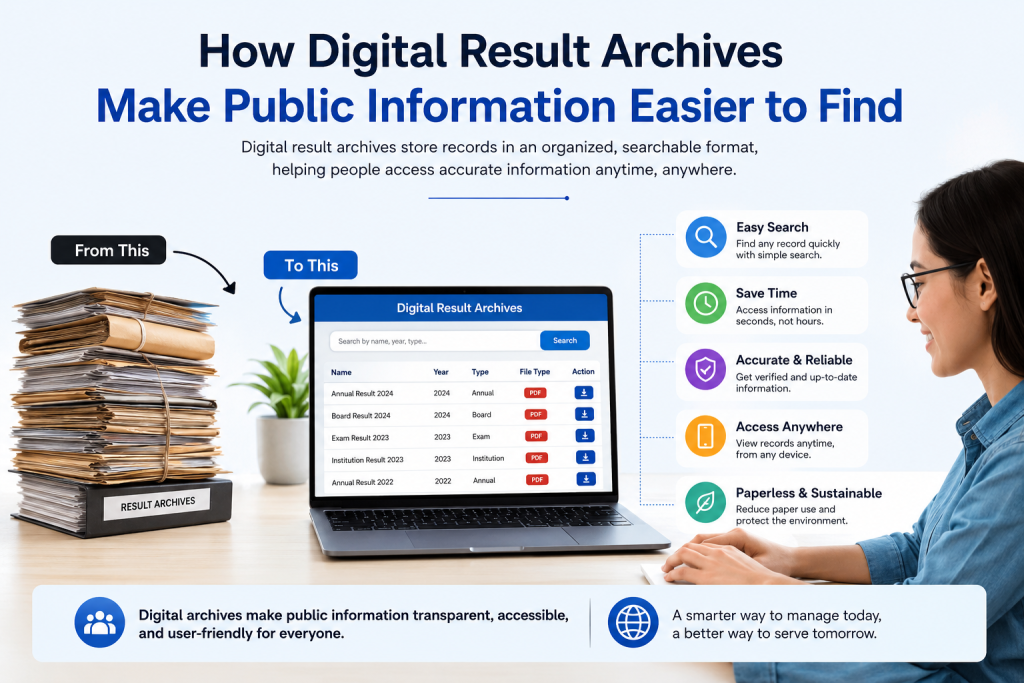
Finding reliable public information has become much easier thanks to well-organized digital archives that allow people to access official records within seconds. Whether someone wants to review historical statistics, confirm a published announcement, or verify pick 3 lottery results from Virginia, using the official archive provides accurate draw information directly from the authorized source instead of relying on unofficial websites. As more public services move online, searchable databases continue to improve transparency while making information available whenever people need it.
Public information was once stored primarily in filing cabinets, printed reports, and physical record books that often required an in-person visit to access. While these methods served their purpose, they could be time-consuming and difficult for people who needed information quickly or lived far from the office that maintained the records.
Digital archives have transformed this process by organizing records into searchable databases that can be accessed from computers, tablets, and smartphones. Instead of waiting for office hours or requesting copies, users can often locate the information they need within minutes through an official website.
Modern digital archives are designed with search features that help users narrow their results quickly. Filters, date ranges, keywords, and categorized records reduce the time spent browsing through large amounts of information.
This improvement is especially valuable when public information is updated regularly. Rather than reviewing numerous pages manually, visitors can search for a specific date, record, or result and immediately access the relevant information without unnecessary complexity.
One of the greatest advantages of digital archives is that they encourage people to use official information instead of relying on secondary sources that may contain outdated or incomplete details. Government agencies and public organizations maintain these archives to ensure consistency and reliability.
Official result pages also reduce confusion when similar information appears across multiple websites. Accessing records directly from the original publisher provides confidence that the information reflects the latest verified updates available to the public.
Digital archives make public information more transparent because they allow equal access for anyone with an internet connection. Individuals no longer need specialized knowledge or personal contacts to obtain records that are intended for public viewing.
Accessibility also extends beyond simple availability. Well-designed websites use clear navigation, readable layouts, and responsive designs that help visitors locate information regardless of the device they are using, creating a more inclusive online experience.
Keeping historical information available benefits both individuals and organizations. Archived records allow users to compare information over time, verify previous announcements, and better understand how data has changed.
Historical archives also support accountability because past records remain accessible instead of disappearing after new information is published. This continuity strengthens trust in public information systems and helps preserve important records for future reference.
Technology continues to improve how digital archives are maintained and presented. Faster search tools, stronger security measures, and improved website performance make official information easier to access while protecting the integrity of the data being published.
As more public services adopt modern digital platforms, archives will continue to play an important role in helping people locate verified information efficiently. By providing organized, searchable, and reliable records, digital result archives simplify access to public information while supporting greater transparency and convenience for everyone.