
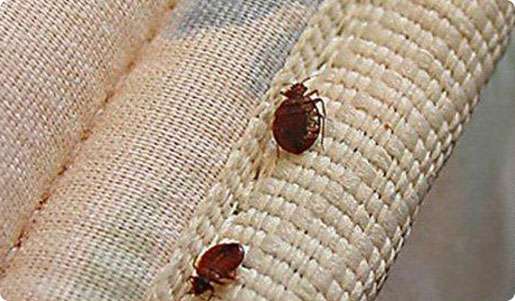
Frustrated by bed bugs that won’t go away? You’re not alone. Choosing the right solution can feel overwhelming, especially when the debate about bed bug heat vs. chemical treatment arises. Moreover, the effectiveness of each method varies, depending on the chosen treatment approach and the severity of the infestation. Understanding how both options stack up will help you see which path leads to lasting relief, so keep reading to learn more.
Heat treatment is one of the most effective professional methods for eliminating bed bugs. Professionals can raise room temperatures to lethal levels in one visit to remove pests. To understand why this method is so effective, consider the following points:
Chemical bed bug extermination remains one of the most common approaches professionals use. Knowing how this option works helps homeowners set realistic expectations, including:
When evaluating bed bug heat vs. chemical treatment, it is important to weigh both effectiveness and costs. Each method also has strengths and limitations that impact long-term results. Consider the following:
Heat treatment proves effective, but careful consideration of safety and environmental factors is essential. When done correctly, it protects people and the environment while eliminating the infestation, including:
Heat treatment raises indoor temperatures to levels that can be unsafe if people or animals remain inside. Families must vacate the home and take all pets, including birds and fish. After the service, professionals allow the treated space to cool before households return safely.
While heat treatment avoids using chemicals, it may leave behind dead bed bugs and debris that trigger minor allergic reactions. Proper cleanup, such as vacuuming, laundering fabrics, and wiping surfaces, prevents these issues and reduces allergens, restoring a safe living environment.
Although both options can be effective, many professionals prefer heat treatment because of its reliability and speed. It addresses every stage of the infestation while reducing potential risks. The following outlines why heat treatment is a preferred method:
Professionals raise the room temperature to lethal levels, destroying adults, nymphs, and eggs simultaneously. Since heat moves through mattresses, furniture, and wall cracks, it ensures thorough elimination in one service. This high success rate is why many providers recommend heat treatment for bed bugs over other methods.
Another advantage is the absence of harmful residue. Once the treatment ends, residents can return without concerns about sprays or lingering fumes. It also makes the process safe, straightforward, and highly practical for homes, apartments, and commercial spaces.
When comparing bed bug heat vs. chemical treatment, heat often proves to be the smarter choice. It eliminates every stage of the pest in one session and avoids the risks of chemical residue. Meanwhile, chemical bed bug extermination may require multiple visits and ongoing monitoring.
Furthermore, if you want lasting results and peace of mind for your home, the best step is to schedule a heat treatment for bed bugs in Wisconsin today and stop the problem before it grows.