
A renovation, long trip, or house move can create the same awkward problem: your belongings still need a home even when you do not have one ready for them.
During renovation, furniture gets in the way of contractors. Before a long journey, keeping an apartment only for boxes and household items can feel wasteful. During relocation, one tenancy may end days or weeks before the next property is ready.
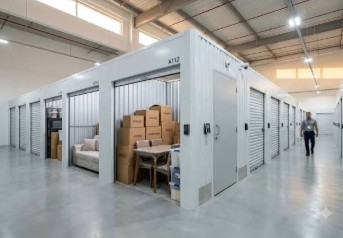
Self storage Dubai gives residents a temporary place for furniture, appliances, luggage, documents, and packed household goods. The real benefit is not simply extra space. It is the freedom to manage a changing schedule without selling useful belongings, crowding temporary accommodation, or leaving valuables in an unsuitable place.
The right storage plan depends on why you need it, how long the items will remain stored, and how often you expect to retrieve them.
A small decorating job may only require a few dust sheets, but a full renovation creates a very different space problem.
Contractors need clear floors and easy access to walls, sockets, doors, plumbing lines, and air-conditioning points. Tiles, ladders, tools, paint, timber, and packaging quickly take over the areas normally occupied by furniture. Even work limited to one room can spread fine dust through hallways, door gaps, and ventilation systems.
During larger projects, personal storage Dubai gives residents a protected place for sofas, beds, appliances, electronics, rugs, and packed household belongings. Moving these items away from the active work area reduces repeated handling, creates more room for contractors, and protects valuable possessions from dust, scratches, paint, moisture, and accidental damage.
Keeping furniture inside an active work area may lead to:
Dubai renovation storage guides commonly recommend removing furniture from active work zones when a project involves flooring, drilling, carpentry, kitchen fitting, or other dusty work.
Placing the main household load in storage also gives the renovation team room to work. Instead of moving a sofa repeatedly during the project, it can be packed once, stored, and returned after the cleaning is complete.
Do not book storage using only the contractor’s expected completion date. Renovations can move in stages, and a home may not be ready for furniture as soon as the tools leave.
Plan the storage period around four points.
Furniture should leave before demolition, drilling, painting, or flooring begins. This gives contractors an open work area from the first day.
Keep soft furnishings, electronics, documents, artwork, and valuable furniture away from dust, moisture, tools, and heavy building materials.
Paint, sealants, flooring products, and adhesives may need time to cure. The property should also receive a proper post-renovation clean before rugs, mattresses, and upholstered furniture return.
Bring beds, essential appliances, and daily furniture back first. Books, decorations, guest furniture, and less urgent cartons can follow once cupboards and shelves are ready.
This approach prevents a newly renovated home from immediately filling with unopened boxes.
Dubai residents may travel for work, spend part of the year abroad, or return to their home country for an extended visit.
When a trip lasts several months, renewing a tenancy solely to hold furniture may not make financial sense. Selling everything is not always practical either, especially when the resident plans to return and would need to purchase the same household items again.
Personal storage Dubai can be used for:
Travel storage needs more preparation than a short renovation booking. The customer may be outside the UAE when a payment becomes due, the contract needs extending, or an important document must be collected.
Before leaving, confirm whether payments can be made remotely, whether a trusted person can be authorised, and how much notice is needed for access or delivery.
Long-term storage is not simply short-term storage with more monthly payments.
When belongings remain untouched for months, environmental conditions and packing quality become more important. Wood, leather, textiles, paper, photographs, and electronics can be affected by unsuitable heat, humidity, dust, or moisture.
For sensitive items, ask whether the facility provides:
E Self Storage UAE currently lists climate-controlled units, CCTV monitoring, flexible rental plans, pest control, packing support, pickup, delivery, and optional insurance among its Dubai services.
Do not rely only on a phrase such as “air-conditioned storage.” Ask what is monitored, what happens during an electricity interruption, and how the provider responds to leaks or pest activity.
Moves rarely follow the neat timeline shown on a calendar.
The old lease may end before the new tenancy begins. A property handover might be delayed. Maintenance may still be underway, or building management may not approve the requested moving date immediately.
Self storage Dubai can bridge that gap by keeping the household load in one organised place until the new property is ready.
It is particularly useful when a move involves:
Storage also supports a phased move. Rather than delivering every box on the first day, residents can move essential furniture first and request the remaining items later.
Moving, renovation, travel, housing transitions, and seasonal space needs are among the household uses currently identified by E Self Storage UAE.
| Situation | Main priority | Suitable arrangement |
| Renovation | Protection from dust and damage | Short-term storage with collection and staged return |
| Long travel | Environmental protection and remote management | Climate-controlled storage with flexible renewal |
| Relocation | Timing flexibility and organised delivery | Temporary storage with packing and redelivery support |
The physical unit may be similar in all three cases, but the service surrounding it can differ.
A renovating family may care most about fast collection. A traveller may prioritise remote payments and long-term protection. Someone relocating may need belongings returned in two separate deliveries.
Apartment size is only a rough starting point.
Two one-bedroom homes can contain completely different loads. One may have a bed, compact sofa, and twelve boxes. Another may contain two wardrobes, a dining set, balcony furniture, appliances, luggage, and forty cartons.
Prepare an inventory that records:
E Self Storage UAE currently presents unit sizes ranging from 30 to 200 square feet and advises customers to choose according to the volume and type of belongings.
Send photographs or a video walkthrough before accepting a recommendation. The provider should consider furniture shape, box count, stacking possibilities, and access needs rather than relying only on bedroom count.
That depends on whether you plan to visit.
A tightly packed room uses less floor space, but one box at the back may become almost impossible to reach. When you expect to collect documents, seasonal clothing, tools, or travel bags, leave a narrow aisle.
Keep frequently needed belongings near the entrance, including:
A slightly larger unit may cost more each month, but convenient access can reduce retrieval labour and lower the risk of damage caused by repeatedly shifting furniture.
Good storage begins before the collection vehicle arrives.
Clean furniture and allow every item to dry before wrapping. Never seal a damp rug, recently cleaned sofa, or wet outdoor cushion. Trapped moisture may lead to odours, stains, or mould.
Dismantle beds, tables, and suitable shelving. Put screws, bolts, and brackets in labelled bags attached to the correct item.
Use strong boxes of similar sizes. They stack more safely than shopping bags, weak cartons, and open containers.
A sensible loading order is:
Number every carton and keep the inventory on your phone or online. Do not place the only copy inside the unit.
Ask what the word “secure” means at the specific facility.
Useful checks include controlled entry, CCTV coverage, individual locks, visitor records, alarms, fire detection, suitable lighting, and a clear incident-reporting process.
Dubai has published preventive security requirements for self-storage activities. The UAE Fire and Life Safety Code also serves as an official reference for implementing Civil Defence safety requirements.
Customers should still verify the facility’s individual approvals, access procedures, and insurance conditions rather than assuming that every storage site offers equal protection.
Ordinary household storage is not suitable for hazardous, illegal, living, or perishable items.
Commonly prohibited goods include:
Dubai Municipality explains that hazardous waste may be toxic, reactive, ignitable, corrosive, infectious, or radioactive and requires controlled handling and disposal. Dubai law also prohibits storing waste in a way that may harm public health, the environment, or other people.
Ask the provider before storing paint, cleaning chemicals, batteries, medicines, cosmetics, or unusual equipment.
The monthly unit rent is only one part of the total.
Request a written quotation covering:
The Federal Tax Authority’s calculator uses the UAE’s 5 percent VAT rate, so confirm whether VAT is already included in the advertised price.
Calculate two totals. The first should cover everything required to move the belongings into storage. The second should show the normal recurring monthly cost after any introductory offer ends.
For travel and renovation bookings, ask what happens when the return date changes. A flexible extension can be more useful than a lower rate attached to a rigid agreement.
Before signing, make sure the provider has answered these questions clearly:
Keep copies of the quotation, contract, inventory, photographs, receipts, and insurance document outside the facility.
Renovation, travel, and relocation all create a temporary gap between the belongings you own and the space available for them.
Self storage Dubai helps residents manage that gap without making rushed selling decisions or placing valuable furniture in unsuitable conditions. The best arrangement starts with a clear inventory, realistic timeline, suitable unit size, and written understanding of access, protection, cost, and return delivery.
Plan storage around the event rather than treating it as a separate booking. When the timing, packing, and retrieval plan work together, storage becomes more than an empty room. It becomes the practical link between one stage of life and the next.