
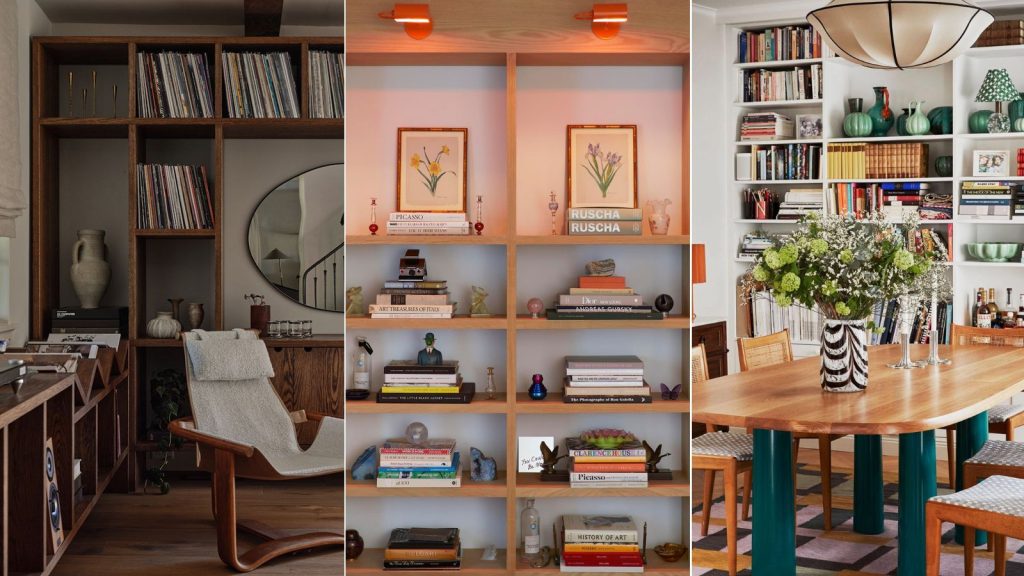
Minimalist interiors have long been associated with clean lines, neutral palettes, and visual restraint. While this aesthetic remains timeless, modern living spaces are increasingly embracing warmth, texture, and emotional depth. The shift is subtle but meaningful: minimalism is no longer about emptiness, but about intention. At the center of this evolution stands one of the most versatile and expressive furniture pieces in a home — the bookcase.
A thoughtfully styled bookcase has the power to transform an interior from stark to inviting without compromising its modern clarity. When natural wood enters the equation, the result is a space that feels both refined and deeply human. This balance between structure and warmth is where contemporary design truly comes alive.
Today’s minimalism is softer than its predecessors. Instead of cold surfaces and rigid compositions, it prioritizes tactility, craftsmanship, and emotional comfort. Spaces are still uncluttered, but they feel lived-in rather than austere. Natural materials play a crucial role in this transformation, especially wood.
Wood introduces organic variation that breaks the monotony of smooth surfaces. Its grain, tone, and texture add depth without visual noise. When incorporated thoughtfully, wood doesn’t compete with minimal design — it enhances it.
In modern interiors, furniture often serves multiple roles. A bookcase is no longer just storage; it becomes an architectural element, a display surface, and a reflection of personal identity. Because it occupies vertical space and remains constantly visible, its design and styling have a profound impact on the atmosphere of a room.
A well-designed modern bookcase provides structure and rhythm, guiding the eye upward and creating a sense of order. However, structure alone can feel rigid. This is where natural wood steps in, softening the geometry and introducing warmth that resonates throughout the space.
Natural wood carries an emotional quality that few materials can replicate. It feels familiar, grounding, and timeless. Even in the most contemporary interiors, wood connects a space to nature and craftsmanship, offering a sense of permanence in an increasingly fast-paced world.
A wooden bookcase doesn’t just hold objects — it holds presence. Its materiality invites touch, interaction, and appreciation. Over time, it becomes part of daily rituals: selecting a book, arranging meaningful items, or simply enjoying how light interacts with the surface throughout the day.
The key to styling a bookcase in a minimalist interior is restraint paired with intention. Warmth doesn’t come from filling every shelf, but from thoughtful composition. Negative space remains just as important as the objects displayed.
Consider varying the scale of items to create visual rhythm. Combine books with sculptural objects, ceramics, or small artworks. Introduce textiles sparingly — a folded linen piece or a woven object can add softness without disrupting the clean aesthetic. Plants, when used minimally, bring life and reinforce the natural quality of wood.
Color palette plays a crucial role as well. Neutral tones, earth shades, and muted contrasts allow the wood to stand out while maintaining harmony. The goal is cohesion, not decoration for its own sake.
A modern bookcase should feel as good to use as it looks. Functional considerations — shelf depth, spacing, and accessibility — influence how the piece integrates into daily life. When these elements are thoughtfully designed, styling becomes effortless rather than forced.
This balance between form and function is central to custom design. Rather than adapting lifestyle to furniture, the furniture adapts to the space and the person using it. This approach ensures longevity, relevance, and comfort over time.
Custom furniture allows for a deeper dialogue between material, space, and user. In the context of bookcases, customization means responding to architectural constraints, lifestyle needs, and aesthetic preferences simultaneously.
This philosophy is at the core of Petra Madalena’s approach to design. Each piece is conceived as part of a larger interior story, where proportion, material selection, and detailing work together to create harmony. The result is furniture that feels intentional rather than imposed — pieces that belong to the space they inhabit.
By focusing on craftsmanship and natural materials, Petra Madalena creates bookcases that elevate minimal interiors without overwhelming them. Wood is used not as an accent, but as a defining element that brings warmth, depth, and character.
Lighting plays a significant role in how a bookcase is perceived. Natural wood responds beautifully to light, revealing subtle variations in grain and tone. As light shifts throughout the day, the surface comes alive, adding a dynamic quality to an otherwise static element.
In minimalist spaces, this interaction between light and texture adds richness without adding objects. The bookcase becomes a quiet focal point, contributing to the atmosphere through material presence rather than visual complexity.
One of the most compelling aspects of a well-designed bookcase is its ability to evolve. As collections change, objects move, and life unfolds, the bookcase adapts without losing its integrity. Its structure remains constant, while its contents tell an ever-changing story.
This adaptability reinforces the value of investing in quality materials and thoughtful design. Rather than following trends, such pieces age gracefully, gaining character and meaning over time.
Transitioning from minimal to warm doesn’t require abandoning modern design principles. It requires refining them. By introducing natural wood through a thoughtfully designed bookcase, interiors gain depth, comfort, and emotional resonance without sacrificing clarity or elegance.
In contemporary homes, warmth is no longer an afterthought — it is an essential part of modern living. When minimalism meets natural materials and craftsmanship, the result is a space that feels complete, personal, and enduring.