
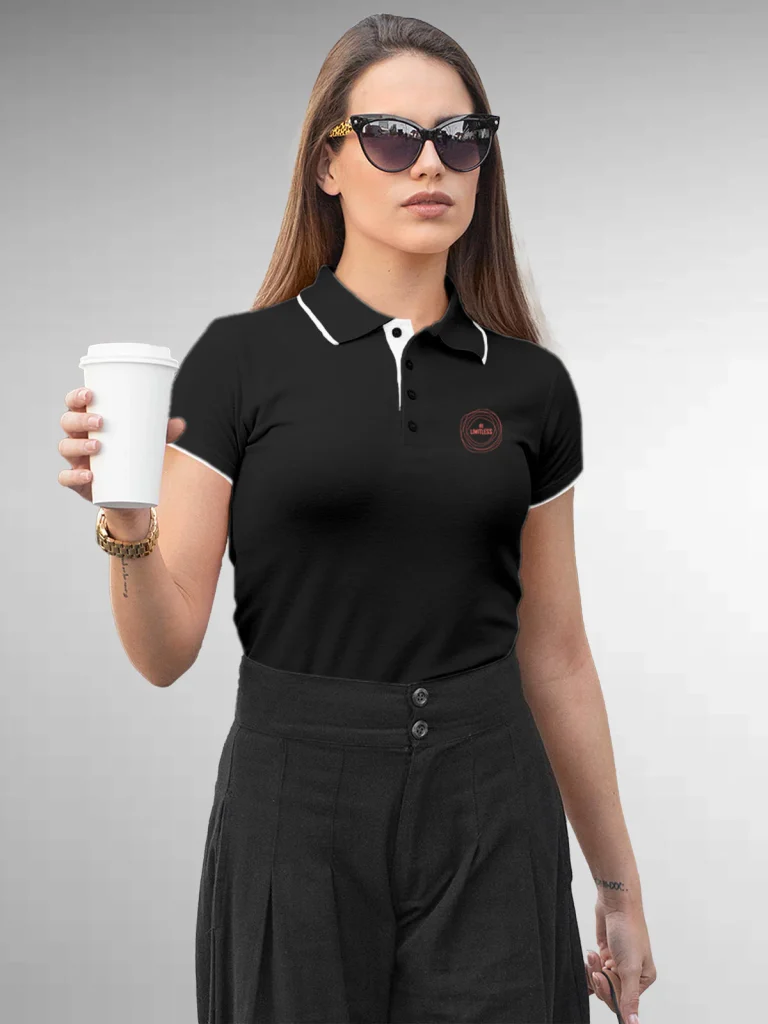
Polo shirts have established themselves as a reliable wardrobe item, offering a balance between comfort and a polished appearance. Originating in the late 19th century for polo players in India and later popularized by tennis star René Lacoste in the 1920s, these shirts were designed with functionality in mind. They typically include a soft collar, short sleeves, a partial button placket, and are often crafted from breathable materials like cotton, piqué fabric, or synthetic blends.
If you’re looking to incorporate them more fully into your daily life, consider how they can fit into different aspects of your routine, from morning commutes to evening relaxation. The key is to select pieces that align with your existing clothes and lifestyle needs, ensuring they enhance rather than complicate your outfits.
In the realm of everyday casual wear, polo shirts shine due to their straightforward pairing options. For instance, when heading out for groceries, coffee runs, or casual meetups, a basic polo in a solid color like black, white, or khaki can be matched with denim jeans or cotton shorts. This combination creates a look that’s effortless yet put-together, avoiding the overly relaxed feel of a t-shirt while steering clear of the formality of a dress shirt. In warmer climates, the breathable fabric helps manage heat, and you can roll up the sleeves for added ventilation.
For those in cooler areas, layering a polo under a hoodie or a light cardigan provides warmth without bulk. Consider the fit: a slim-cut polo might suit someone with an athletic build, while a regular fit offers more room for comfort during prolonged wear.
Expanding on this, think about color theory in your choices. Neutral tones allow for versatility, but incorporating subtle patterns like stripes or small checks can add personality without overwhelming the outfit. For example, a striped polo with slim-fit chinos and sneakers could be ideal for a weekend brunch. Accessories play a role too— a simple canvas belt or canvas shoes can tie the ensemble together. If you’re someone who values sustainability, look for custom polos made from organic cotton or recycled materials, which are increasingly available and perform just as well in daily use.
Over time, building a small collection of three to five polos in varying colors can rotate through your week, reducing decision fatigue. This approach not only simplifies mornings but also encourages mindful consumption, as versatile items like these reduce the need for excessive clothing purchases.
Transitioning to professional environments, polo shirts are particularly valuable in workplaces that embrace business casual dress codes. In offices, creative agencies, or customer-facing roles, they offer a middle ground between formal shirts and casual tees. A well-fitted polo in a muted shade, such as charcoal gray or deep blue, paired with tailored trousers or a knee-length skirt, conveys approachability and competence. This is especially useful in fields like education, retail, or healthcare, where mobility is required—think of teachers moving between classrooms or salespeople demonstrating products. The button placket allows for minor adjustments, like opening a button for comfort during long meetings.
To integrate them effectively, consider the workplace culture. In more conservative settings, stick to solid colors and ensure the shirt is tucked in with a belt. For creative industries, experiment with subtle logos or embroidery if it aligns with company norms, though keeping it minimal avoids distractions. Footwear matters too: loafers or low-heeled shoes elevate the look for presentations, while sneakers might work in tech startups. During video calls, the collar frames the face nicely, providing a professional edge over round-neck alternatives.
Beyond aesthetics, polo shirts contribute to productivity by prioritizing comfort. Fabrics with moisture-wicking properties keep you dry during commutes or busy days, reducing discomfort. For those with longer work hours, choosing wrinkle-resistant blends minimizes the need for ironing. Historically, this practicality echoes their sporting roots, where players needed attire that didn’t hinder performance. In modern terms, this translates to enduring a full workday without constant adjustments. If your job involves travel, polos pack easily and resist creasing, making them ideal for business trips. Overall, in professional settings, they foster a sense of ease, allowing focus on tasks rather than attire.
Drawing from their athletic heritage, polo shirts are naturally suited for active lifestyles. Whether it’s a morning jog, a round of golf, or a family bike ride, their design supports movement. Opt for performance fabrics that include polyester or spandex for stretch and quick-drying capabilities. Pairing a polo with athletic shorts or leggings creates a sporty yet cohesive outfit, suitable for gym sessions or casual sports.
For outdoor enthusiasts, polos provide practical benefits like UV protection in some treated fabrics, shielding skin during hikes or beach walks. In group activities, such as community sports leagues, they offer a uniform-like appearance without the commitment of team jerseys. Consider layering: a polo over a base layer in variable weather ensures adaptability. For example, during a picnic, it keeps you looking neat while allowing for games or relaxation on the grass.
Adapting polo shirts across seasons demonstrates their year-round utility. In summer, lightweight, short-sleeved versions in light colors reflect heat, ideal for outdoor work or leisure. Pair with breathable pants to combat humidity. As fall arrives, transition to long-sleeved polos or layer short-sleeved ones under jackets, using earth tones like olive or burgundy for seasonal flair.
Winter calls for thicker fabrics, such as fleece-lined polos, layered under coats for insulation. In spring, brighter hues can lift moods during transitional weather. Fabric choices—cotton for absorbency, wool blends for warmth—allow customization to climate. This flexibility reduces the need for seasonal wardrobe overhauls.
Proper care extends the life of polo shirts. Wash in cold water on gentle cycles to preserve color and shape, avoiding bleach. Air drying prevents shrinkage; if using a dryer, opt for low heat. Iron collars flat on medium settings to maintain crispness. Store folded in drawers or hung to avoid wrinkles. Rotate wear to even out usage, and treat stains promptly with mild soap.
Inspect for wear, like frayed collars, and mend early. This routine keeps them reliable, supporting sustainable habits by maximizing garment lifespan.
In summary, polo shirts integrate seamlessly into daily life by offering comfort, versatility, and practicality. Whether for work, play, or rest, they adapt to your needs, providing a foundation for effortless style. With thoughtful selection and care, they become indispensable, enhancing routines without added complexity. (Word count: 1,024)