Jan 01, 1970
0 years old
Yvette Amos became an overnight internet sensation when her BBC Wales interview turned into one of the most talked-about viral moments of the pandemic era.
What started as a serious discussion about unemployment during COVID-19 lockdowns quickly transformed into a global phenomenon that sparked millions of social media shares, countless memes, and endless online discussions.
The Cardiff resident never anticipated that a simple background detail would catapult her into unexpected fame, making “Yvette Amos BBC interview” one of the most searched phrases of 2021 and continuing to resurface in 2026 as people revisit memorable pandemic moments.
| Fact | Details |
|---|---|
| Full Name | Yvette Amos |
| Location | Cardiff, Wales, United Kingdom |
| Viral Moment | January 2021 |
| Platform | BBC Wales Today |
| Interview Topic | Unemployment during COVID-19 pandemic |
| Viral Reason | Unexpected background item on bookshelf |
| Social Media Impact | Trending on Twitter, Reddit, TikTok, Instagram |
| Public Response | Mostly humorous and supportive |
| Professional Background | Bar worker, public health researcher |
| Current Status | Private life, limited public presence |
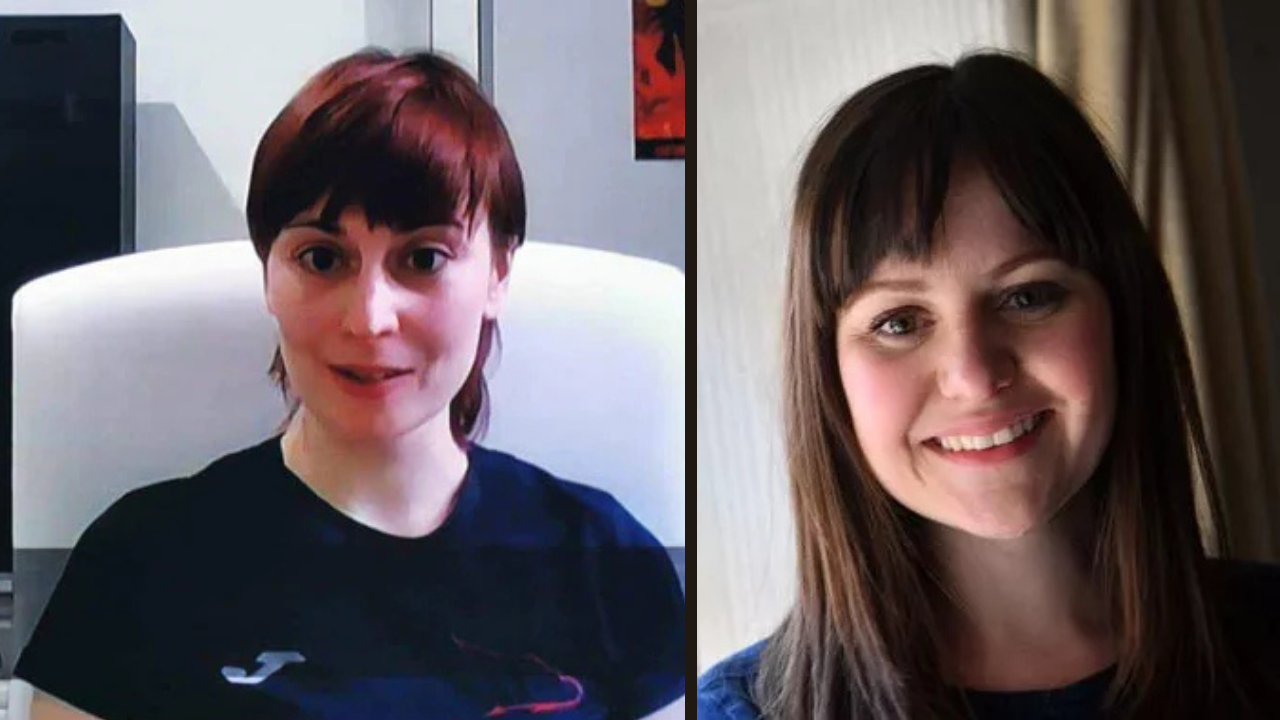
Yvette Amos is a Welsh woman from Cardiff who lived an ordinary life before her unexpected rise to viral fame. Before the BBC Wales interview that changed everything, she worked part-time at a local bar while pursuing research projects in public health.
Her professional background includes contributions to healthcare studies, particularly research focused on alcohol management services and hospital admissions. She lived in a shared apartment with housemates, representing millions of young professionals navigating uncertain times during the pandemic.
Yvette was in her early thirties when the viral moment occurred. She faced significant challenges during COVID-19 lockdowns, losing both her bar job and research opportunities as industries shut down across the UK.
In January 2021, Yvette Amos appeared on BBC Wales Today via video call from her Cardiff home. The interview was arranged to discuss the pressing issue of unemployment during the pandemic, a topic affecting millions of people worldwide.
Like many remote interviews during lockdown, it was conducted over video conferencing software. Yvette spoke from her living space, appearing professional and articulate as she discussed her personal struggles with job loss.
The discussion was meant to be serious and informative. She shared her experience of losing employment opportunities and the emotional toll of navigating uncertain economic times during unprecedented global circumstances.
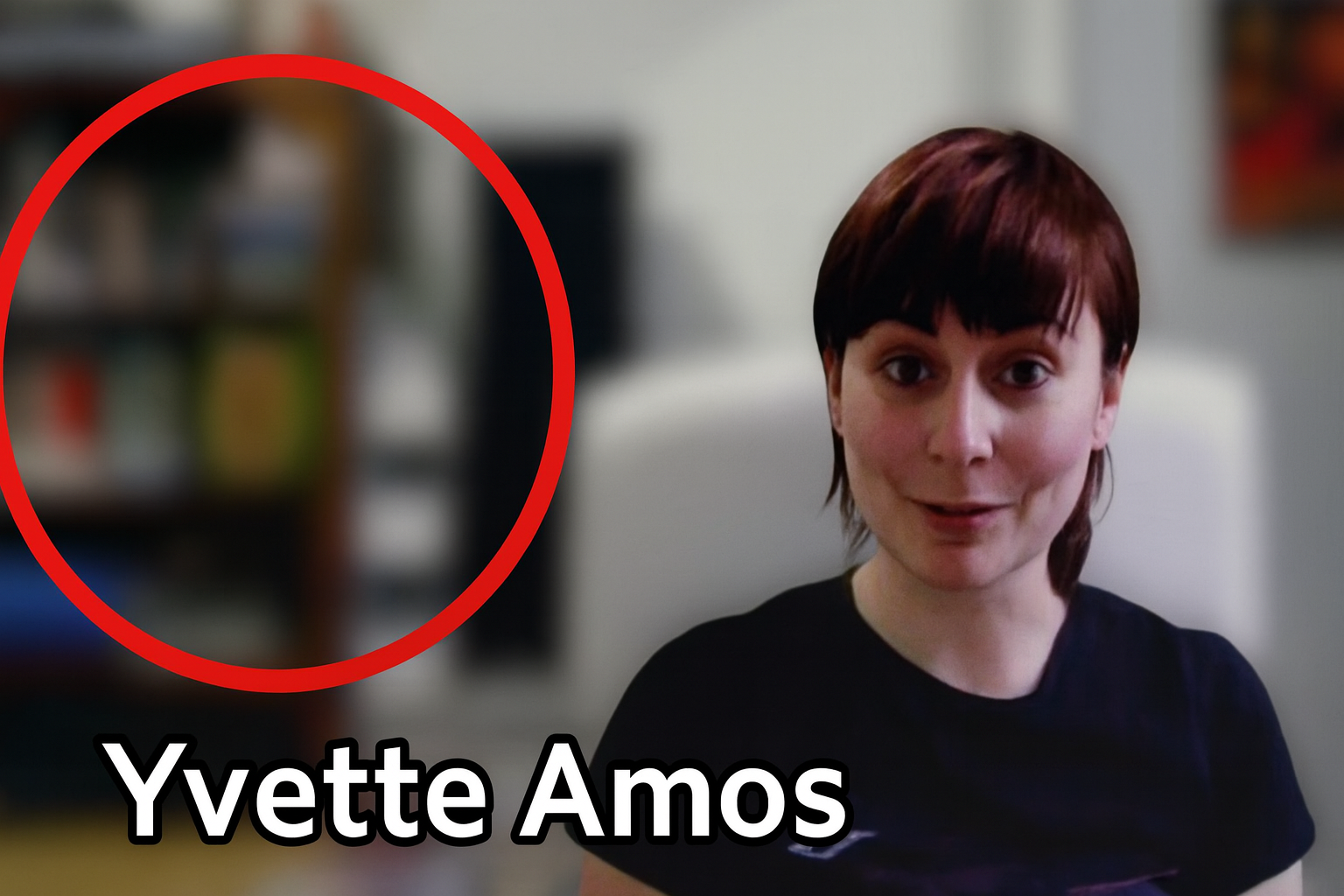
As Yvette Amos spoke about unemployment challenges, eagle-eyed viewers noticed something unusual behind her. On a bookshelf in clear view of the camera sat an object that immediately caught attention and sparked widespread discussion.
The item appeared to be an adult toy, nestled among books, board games, and birthday cards. Its placement was unmistakable, visible throughout the entire live broadcast segment as Yvette discussed serious economic hardships.
Within minutes of the broadcast, screenshots began circulating on social media platforms. What Yvette said during the interview quickly became secondary to what viewers saw in her background, shifting the entire focus of the segment.
The background item dominated online discussions immediately. Viewers debated whether it was indeed what it appeared to be or possibly a novelty candle, sculpture, or decorative piece that happened to look suggestive.
Some observers pointed to other quirky elements in Yvette’s background, including what appeared to be the game Scrawl (known for its adult humor) and marks on a nearby door that added to the humorous narrative.
Yvette Amos never publicly confirmed or denied what the object was. Her silence on the matter only added to the intrigue and speculation, allowing the internet to create its own interpretations and stories.
Journalist Grant Tucker was among the first to share the moment. His tweet featured a screenshot with the caption: “Perhaps the greatest guest background on the BBC Wales news tonight. Always check your shelves before going on air.”
That single tweet opened the floodgates. Within hours, “Yvette Amos” began trending on Twitter, Google searches, and multiple social media platforms as the clip spread like wildfire across the internet.
Twitter users created countless memes and jokes. Reddit threads analyzed every detail of the background. TikTok videos recreated the moment. Instagram accounts shared screenshots with humorous captions celebrating the unexpected hilarity.
International outlets quickly picked up the story. Major publications including NDTV, The Independent, and Grazia Daily all covered the Yvette Amos BBC interview, each offering their unique perspective on the viral sensation.
The story traveled far beyond the UK borders. People from countries around the world shared the clip, making it a truly global internet moment that transcended cultural and linguistic barriers.
News coverage ranged from lighthearted entertainment pieces to more serious discussions about digital privacy, remote work etiquette, and the nature of viral fame in the modern age.
The internet responded with creativity and humor. Memes featuring Yvette’s background flooded social media, with users inserting various captions and creating derivative content that kept the moment alive for weeks.
Comparisons were made to other memorable pandemic video call fails. People recalled moments when children interrupted serious broadcasts, pets created chaos, or inappropriate posters appeared in backgrounds during professional calls.
The Bernie Sanders mittens meme was even photoshopped into Yvette’s place at one point. The viral moment became part of pandemic-era internet folklore, referenced whenever discussing memorable lockdown incidents.
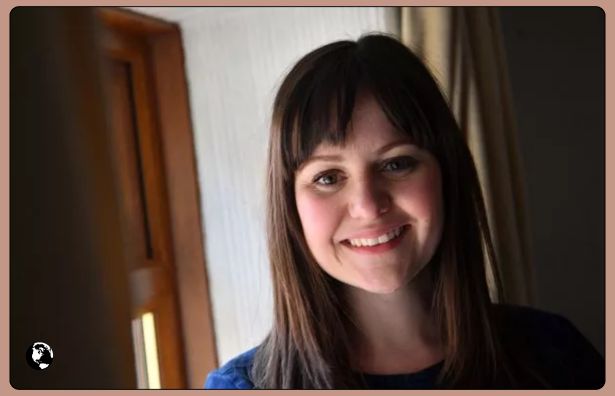
Surprisingly, public reaction was overwhelmingly positive and supportive. Rather than cruel mockery, most people responded with lighthearted humor and understanding that such mistakes could happen to anyone working from home.
Many viewers praised Yvette Amos for her composure and bravery in speaking about serious issues despite the embarrassing background detail. People called her a “national treasure” and “lockdown icon,” celebrating her authenticity.
The British sense of humor played a significant role. Instead of harsh criticism, people embraced the moment as relatable and refreshingly human in an era of overly curated online personas.
The incident resonated because millions were experiencing similar challenges. Working from home meant backgrounds became public, and not everyone had picture-perfect spaces or remembered to check every detail before going live.
Parents dealt with children in backgrounds. Pet owners faced interruptions from cats and dogs. People worked from bedrooms, kitchens, and whatever space they could find during lockdown restrictions.
Yvette’s moment represented the collective chaos of pandemic life. It reminded viewers that real people with messy, imperfect lives existed behind every video call, making her instantly relatable.
A minority of viewers questioned whether the placement was intentional. Some speculated it might have been deliberately staged for attention, though most dismissed this theory as unlikely given the serious interview context.
Others raised valid concerns about privacy and digital boundaries. The incident highlighted how easily private details could become public spectacle, sparking discussions about consent and the ethics of viral fame.
Media critics pointed out how the viral aspect overshadowed Yvette’s important message about unemployment. Her serious discussion about economic hardship was lost in the entertainment value of the background mishap.
Yvette Amos did not immediately comment on the viral moment. There was no rush to social media to explain, apologize, or capitalize on the sudden attention that thrust her into the global spotlight.
Her initial silence generated even more intrigue. People wondered if she was embarrassed, unbothered, or simply processing the unexpected fame that came from a moment she likely never anticipated would become public fodder.
Some reports suggested she later acknowledged the moment with humor on Instagram using the handle @officialyvetteamos, posting captions like “15 Minutes Famous!” though this account’s authenticity was never fully verified.
Unlike many viral sensations who leverage sudden attention into influencer careers or media opportunities, Yvette Amos chose a different path. She did not pursue interviews, create public social media accounts, or attempt to monetize the moment.
There were no merchandise drops, sponsorship deals, or attempts to extend her fifteen minutes of fame. This restraint earned her additional respect from observers who appreciated her grounded approach.
She quietly returned to her regular life. Reports suggest she continued her research work and personal pursuits without allowing the viral moment to define her identity or career trajectory.
Yvette’s decision to maintain privacy represents a rare outcome in viral culture. Most people thrust into unexpected fame either capitalize on it extensively or issue lengthy explanations and apologies.
Her approach demonstrated dignity and self-awareness. By not feeding the viral machine with constant updates or commentary, she allowed the moment to naturally fade rather than prolonging its life unnecessarily.
This choice also protected her personal boundaries. She maintained control over her narrative by simply declining to participate in the spectacle surrounding her, a powerful statement in an age of constant oversharing.
The human brain is wired to notice incongruity. When something appears out of place or unexpected, it captures attention immediately and creates memorable moments that people feel compelled to share.
A personal item visible during a serious news segment created exactly this cognitive surprise. The juxtaposition of professional discussion and inappropriate background detail was comedic gold for internet audiences.
Humor serves as a primary driver of viral content. The Yvette Amos moment was funny without being cruel, surprising without being offensive, making it perfect for widespread sharing across different audiences.
Content that evokes strong feelings spreads faster than neutral information. This incident triggered multiple emotions simultaneously—laughter, shock, empathy, and amusement—creating complex reactions that compelled sharing.
People felt sympathy for Yvette while also finding the situation hilarious. This dual emotional response made the content more shareable, as viewers wanted others to experience the same conflicted feelings they had.
The timing during lockdown mattered too. People were hungry for lighthearted moments during a difficult period, making any humorous content more likely to gain traction and provide necessary comic relief.
Sharing viral content allows people to signal cultural awareness. Being among the first to share the Yvette Amos clip demonstrated someone was “in the know” about current internet trends and conversations.
The shareability factor was extremely high. The clip was short, visual, universally understandable, and didn’t require context to appreciate, making it perfect for rapid dissemination across platforms and demographics.
Meme culture amplified the spread. Once the initial sharing occurred, creative users began making derivative content, which then spread further, creating multiple waves of virality that kept the moment relevant.
Yvette Amos largely disappeared from public view after her viral moment. Unlike influencers who cultivate ongoing online presence, she returned to private life and avoided media attention with remarkable consistency.
There have been no significant public appearances, interviews, or social media activity definitively linked to her. She chose normalcy over celebrity, a decision that speaks to her character and priorities.
Some sources suggest she continued her research work in public health and social care. Her professional contributions to healthcare studies represent genuine value beyond any viral fame she experienced.
Her name occasionally trends when people discuss memorable pandemic moments or Zoom fails. The Yvette Amos BBC interview remains a reference point for conversations about remote work mishaps and viral culture.
In 2026, as people look back on the pandemic era, her moment resurfaces in retrospectives and compilations of internet history. It has become part of the digital archive documenting this unique period.
Discussions about video call etiquette, background awareness, and digital privacy frequently cite her case as a cautionary tale, though usually with humor rather than harsh judgment.
Yvette Amos represents an important cultural moment. Her story captures the unpredictable nature of viral fame and how ordinary people can become internet legends through completely unplanned circumstances.
She remains a symbol of authenticity in an overly curated digital world. Her unfiltered background stood in stark contrast to the polished, perfect images people typically present online.
The incident taught an entire generation about background awareness during video calls. Countless people now double-check their shelves, walls, and visible spaces before going on camera, thanks partly to Yvette’s example.
The most obvious lesson is practical: always review what’s visible behind you during video calls. Personal items, inappropriate posters, messy spaces, or unexpected objects can become the focus rather than your message.
Virtual background features exist for a reason. Many platforms offer digital backgrounds that can hide physical spaces entirely, preventing potential embarrassments during professional or media appearances.
Even casual video calls deserve background awareness. What seems normal in private spaces may not translate well when broadcast to audiences, whether small meetings or live television interviews.
The Yvette Amos incident demonstrated how quickly moments can spread in the digital age. From broadcast to global trending topic happened within hours, showing the incredible speed of modern information sharing.
Once something goes viral, controlling the narrative becomes nearly impossible. Screenshots, memes, and shares multiply faster than any individual can manage, making privacy difficult to maintain.
This reality makes pre-emptive caution essential. Preventing viral moments is far easier than managing their aftermath, a lesson applicable to anyone appearing on camera in any capacity.
Despite the embarrassment, people responded positively to Yvette’s authentic, unfiltered moment. In an era of carefully curated social media presence, genuine human imperfection can be refreshing and relatable.
Audiences appreciate realness over perfection. The polished facade many present online can feel inauthentic, while Yvette’s accidental transparency reminded viewers that real people live behind screens.
Vulnerability, even unintentional, can create connection. Her moment united millions in shared laughter and empathy, demonstrating that imperfection can be more powerful than perfect presentation.
The incident raises important questions about privacy and consent in viral culture. Yvette didn’t choose to become famous, yet her private space became global entertainment without her explicit permission.
Digital boundaries are increasingly blurred. What happens in private homes can instantly become public content, a reality everyone navigating remote work and online communication must consider.
Respect for individuals in viral moments matters. While humor is natural, remembering real people exist behind viral content helps maintain ethical boundaries in how we consume and share internet phenomena.
The Yvette Amos moment influenced how people approach video calls professionally. Background checks became standard practice, with many companies even providing guidance on appropriate virtual environments.
Virtual background technology saw increased adoption. People uncomfortable with showing personal spaces embraced digital backgrounds, blur features, and other tools to maintain privacy during professional calls.
Media training now includes background awareness. Organizations preparing people for remote interviews specifically address what should and shouldn’t be visible, directly influenced by cases like Yvette’s.
Home offices underwent makeovers. People investing in remote work setups paid closer attention to what appeared behind them, creating neutral, professional-looking spaces specifically for video appearances.
The phrase “Zoom background check” entered common vocabulary. It became an inside joke but also a real consideration, with people routinely scanning their spaces before joining calls.
This awareness extends beyond professional contexts. Even casual video chats now prompt consideration of backgrounds, showing how one viral moment influenced broader behavioral changes across society.
The incident generated sympathy for challenges of working from home. Not everyone has dedicated office space, perfect lighting, or magazine-worthy backgrounds, and Yvette’s moment highlighted this reality.
Employers became more understanding about home environment imperfections. The pressure to maintain perfect professional appearances during remote work decreased as people recognized the unrealistic nature of such expectations.
Collective experience during lockdowns created solidarity. Nearly everyone had video call mishaps—kids interrupting, pets causing chaos, or technical difficulties—making Yvette’s situation universally relatable rather than uniquely embarrassing.
Professor Robert Kelly’s BBC interview interrupted by his children became an iconic moment. His kids wandered into frame during a serious discussion, creating a viral sensation that predated Yvette’s moment.
Numerous people experienced cat interruptions, with felines walking across keyboards, sitting on faces, or knocking things over during important calls, creating countless shareable moments throughout lockdown.
Technical difficulties plagued remote work. People attended meetings with frozen screens, audio issues, or accidental filters (like the lawyer who appeared as a cat), each creating their own viral legacy.
The nature of the background object set Yvette’s moment apart. While other mishaps involved family members or pets, hers involved a personal item that carried different social implications.
The timing and platform mattered. Appearing on BBC Wales during a serious news segment about unemployment gave the moment more gravitas and contrast than casual Zoom meetings.
Her sustained silence differentiated her response. While others addressed their viral moments quickly, Yvette’s choice not to comment extensively added mystery and allowed the internet to fill gaps with speculation.
Timing plays a crucial role. Yvette’s moment occurred during peak lockdown when people were home, online frequently, and hungry for entertaining content to break up monotonous pandemic days.
Visual elements matter enormously. Her moment was instantly understandable through screenshots, requiring no audio or context to appreciate, making it perfect for rapid sharing across platforms and languages.
The perfect balance of humor and harmlessness enabled spread. The moment was funny without being cruel, shocking without being truly offensive, hitting a sweet spot that encouraged sharing without guilt.
As of 2026, Yvette Amos maintains an extremely low public profile. There are no verified social media accounts, public appearances, or interviews indicating she’s seeking continued attention from her viral fame.
Reports suggest she continues living in Wales, possibly Cardiff, though specific details about her current employment or personal life remain private and unconfirmed by any reliable sources.
Her decision to stay private has been remarkably successful. Unlike many viral figures whose names remain in constant circulation, Yvette successfully returned to normalcy, appearing in public discourse only occasionally.
Some sources indicate continued work in public health research. Her name has appeared in academic studies and healthcare-related projects, suggesting she maintained her professional trajectory despite viral interruption.
The contrast between her viral fame and professional contributions is stark. While millions know her for a background mishap, far fewer recognize her legitimate work in public service and research.
This duality represents an interesting phenomenon: being famous for the wrong reasons while having genuine accomplishments that deserve recognition but receive far less attention than a single moment.
The Yvette Amos story periodically reemerges when discussing pandemic memories. As people reflect on lockdown experiences in 2026, her moment often appears in compilations and retrospectives of that era.
Internet historians cite her case when analyzing viral culture evolution. Her story represents a specific moment in digital history when remote work mishaps dominated online conversation and collective experience.
New generations discovering the clip keep it alive. Young people who were too young to experience lockdowns firsthand encounter her story and share it anew, creating secondary waves of virality years later.
BBC Wales reportedly did not issue major public statements about the incident. The network allowed the moment to pass naturally rather than drawing additional attention through official commentary or explanations.
This restrained approach demonstrated professional judgment. Overreacting or offering explanations might have amplified the story further, while saying nothing allowed it to run its natural course.
The incident didn’t result in apparent policy changes for remote interviews. BBC and other networks continued conducting video interviews, though background awareness likely increased informally among producers and guests.
International outlets balanced entertainment value with sensitivity. Most coverage maintained a lighthearted tone without being cruel, acknowledging the humor while respecting Yvette as a real person.
Headlines varied from playful to sympathetic. Some publications focused on the humorous aspect, others on the broader implications for remote work culture and digital privacy concerns.
The media’s handling generally reflected ethical consideration. Unlike some viral moments that involve pile-on coverage and invasive journalism, Yvette’s story was covered with relative restraint and humor rather than exploitation.
Social media drove the initial virality. Twitter, Reddit, and TikTok spread the moment far faster than traditional outlets, demonstrating the power of platforms versus conventional news channels.
Traditional media followed social trends. Newspapers and television picked up the story only after it had already gone massively viral online, showing how digital platforms now dictate news cycles.
The interaction between platforms amplified reach. Social sharing created awareness, traditional media provided legitimacy and broader coverage, then social media shared that coverage, creating a feedback loop of increasing visibility.
Yvette never consented to becoming a meme. Her appearance was for a serious interview, not entertainment, yet her private space became global content without explicit permission for such use.
This raises ethical questions about viral culture. When does sharing cross from innocent humor into invasion of privacy? Where are the boundaries when someone becomes unintentionally public?
The lack of control is significant. Once viral, individuals cannot stop the spread, take back images, or control narrative, demonstrating how little agency people have over their digital representation.
Despite wanting privacy, Yvette can’t fully escape her viral moment. Internet archives preserve the content indefinitely, making true disappearance from digital memory nearly impossible.
This permanent record affects life ongoing. Future employers, romantic interests, or professional contacts can easily discover her viral moment, potentially impacting opportunities and relationships years after the incident.
The European right to be forgotten doesn’t apply effectively to organic viral content. While she could request removal from some sources, the decentralized nature of internet sharing makes comprehensive erasure impossible.
Modern consent frameworks don’t adequately address viral moments. Traditional privacy laws were created before internet virality existed at this scale and speed, leaving gaps in protection.
People appearing in public broadcasts theoretically consent to being viewed, but not necessarily to becoming memes, having images extracted and shared, or having moments endlessly replayed for entertainment.
This gray area requires evolution in thinking about digital rights. As more people experience accidental viral fame, clearer ethical guidelines and possibly legal frameworks may emerge to protect individuals.
Memes extended the moment’s life significantly. Original content might have faded quickly, but creative derivatives kept it circulating for weeks, reaching audiences who never saw the original broadcast.
Meme culture democratizes content creation. Anyone can participate in creating Yvette-related content, making the viral moment a collaborative internet project rather than passive consumption.
Humor became the dominant frame. Rather than scandal or outrage, memes positioned the moment as lighthearted fun, shaping how millions interpreted and discussed what happened.
While most responses were good-natured, some crossed lines. Overly sexual or demeaning content appeared in some corners of the internet, demonstrating how humor can become problematic.
The balance between funny and cruel is delicate. What one person finds harmless another might experience as harassment, especially when you’re the subject of millions of jokes simultaneously.
This tension highlights internet culture challenges. Collective humor can unite people, but it can also pile on individuals, creating experiences that feel overwhelming or invasive despite good intentions.
Yvette’s moment represents pandemic-era collective experience. It captured the chaos, humor, and humanity of lockdown life in a single frame, making it culturally significant beyond the individual incident.
The story became folklore. Years later, people still reference it when discussing remote work mishaps, demonstrating how certain moments transcend their original context to become lasting cultural touchstones.
It reflects values of the era. The generally kind response showed internet culture at its better moments—capable of humor without cruelty, laughter without vindictiveness, creating shared joy rather than targeted harassment.
Yvette Amos is a woman from Cardiff, Wales who became an internet sensation after appearing on BBC Wales Today in January 2021. She was discussing unemployment during COVID-19 when viewers noticed an unexpected item in her background, making her interview go viral worldwide.
During her live BBC Wales interview about unemployment, an adult toy was visible on a bookshelf behind her. The object appeared clearly in frame throughout the segment, and viewers quickly noticed it, leading to widespread social media sharing and global viral fame.
Yvette Amos largely remained silent about the viral moment initially. Some reports suggest she later acknowledged it briefly on Instagram with humor, but she generally chose privacy over public commentary and did not pursue media opportunities or capitalize on the attention.
This remains unconfirmed, as Yvette never publicly addressed whether the placement was accidental or intentional. Most observers believe it was an honest mistake—a personal item forgotten in the background during an unexpected media opportunity during lockdown chaos.
Yvette Amos maintains a very private life as of 2026 with minimal public presence. Reports suggest she continues living in Wales and may be involved in public health research, but she has successfully avoided ongoing media attention and returned to normalcy.
Before the viral interview, Yvette worked part-time at a local bar in Cardiff while also being involved in public health research projects. She lost both employment opportunities during COVID-19 lockdowns, which was the reason for her appearance on BBC Wales discussing unemployment.
Social media reaction was overwhelmingly humorous but supportive. People created memes, jokes, and shared the clip widely on Twitter, Reddit, TikTok, and Instagram. Most responses were lighthearted rather than cruel, with many praising her for authenticity and relatability during difficult times.
BBC Wales did not issue major public statements about the incident. The network handled the situation with professional restraint, allowing the moment to naturally fade rather than amplifying it with official commentary or policy announcements about the viral episode.
The incident taught people to carefully check backgrounds before video calls, highlighted the speed of internet virality, demonstrated the value of authenticity, and raised important questions about privacy and consent in the digital age when personal spaces can become global content instantly.
The story remains culturally significant as a defining moment of pandemic-era remote work culture. It represents collective experiences of lockdown, demonstrates how viral fame works, and serves as a touchstone for discussions about digital privacy, internet culture, and the human side of working from home.
Yvette Amos and the BBC interview that went viral represents far more than a simple embarrassing moment caught on camera.
Her story captures the essence of pandemic-era life—the chaos of remote work, the unpredictability of video calls, and the speed at which ordinary people can become extraordinary internet sensations in the digital age.
What makes Yvette’s experience particularly noteworthy is how she handled unexpected fame. Rather than capitalizing on viral attention through influencer careers or media appearances, she chose dignity and privacy, returning to normal life and maintaining boundaries that many viral figures abandon.
This decision earned her respect and demonstrated that not everyone desires the spotlight that internet culture can suddenly thrust upon them.
Macron wife age difference is approximately 24 years, with Brigitte...

Fortune Justin Bieber: Justin Bieber’s fortune is estimated to exceed...