Jan 01, 1970
0 years old
Mary Nightingale illness concerns have resurfaced periodically since her frightening health scare in 2002, when Britain’s most trusted newsreader underwent tests for throat cancer that left viewers worried about her future.
Born on May 26, 1963, this ITV Evening News anchor has weathered vocal strain, stress-related voice loss, and intense public scrutiny while maintaining her position as one of British broadcasting’s most respected figures for over two decades.
At 62 years old in 2026, Mary continues presenting evening news with the same professionalism that earned her multiple Newscaster of the Year awards, despite past battles with psychosomatic voice conditions linked to extreme pressure and burnout.
Her estimated net worth of £2-3 million reflects a distinguished career, while her 26-year marriage to Paul Fenwick and two children represent the private stability supporting her public success. This comprehensive guide explores the truth behind Mary Nightingale’s illness rumors, her remarkable recovery, family life, and enduring legacy in British journalism.
| Full Name | Mary Nightingale |
|---|---|
| Date of Birth | May 26, 1963 |
| Age (2026) | 62-63 years old |
| Birthplace | Scarborough, North Yorkshire, England |
| Nationality | British |
| Ethnicity | Caucasian |
| Education | BA in English, Bedford College, University of London |
| Profession | Journalist, News Presenter, Television Personality |
| Current Position | ITV Evening News Presenter (since 2001) |
| Years Active | 1990-Present (36+ years) |
| Husband | Paul Fenwick (m. April 2000) |
| Children | 2 – Molly Fenwick, Joe Fenwick |
| Net Worth (Estimated) | £2-3 million ($2.5-3.8 million) |
| Annual Salary | £70,000-£300,000 |
| Height | 5’5″ (165 cm) |
| Residence | West London, England |
| Awards | TRIC Newscaster of the Year (2002, 2004) |
| Known For | ITV Evening News, vocal resilience, broadcasting excellence |

Mary Nightingale illness became public knowledge in 2002 when revelations emerged about her silent 15-month battle with mysterious throat problems. The condition had forced her to undergo extensive medical testing, including frightening screenings for throat cancer. Viewers who had watched her calm, authoritative news delivery every evening had no idea she was struggling with symptoms that threatened to end her career.
The illness began subtly around 2001-2002, shortly after a particularly demanding three-hour live broadcast following the death of the Queen Mother. Mary started experiencing alarming voice symptoms during live transmissions. Her voice would crack unexpectedly, fade without warning, or become strained during crucial moments. For someone whose entire profession depends on vocal clarity and strength, these symptoms were terrifying.
There were instances when Mary Nightingale illness symptoms became so severe she had to leave the studio mid-broadcast. The unpredictability created intense anxiety—she never knew when her voice might fail her during live television. The psychological pressure of hiding this struggle while maintaining professional composure added another layer of stress to an already demanding career.
For 15 months, Mary kept her health battle private while undergoing extensive medical examinations. Doctors conducted numerous tests trying to identify the cause of her voice problems. The most frightening aspect was testing for throat cancer, a diagnosis that could have been career-ending and life-threatening. The uncertainty during this period was mentally and emotionally exhausting.
In 2002, media outlets revealed that Mary Nightingale illness involved testing for throat cancer. The Sunday People newspaper broke the story, explaining that the 38-year-old ITV presenter had been plagued by a “mystery condition” that sometimes left her barely able to speak. The revelation shocked viewers who had trusted her steady presence nightly.
The cancer tests were the most frightening aspect of her medical journey. ITN insiders confirmed that doctors needed to examine every possibility given the severity and persistence of her symptoms. The tests involved comprehensive throat examinations, scans, and screenings designed to detect malignancies or structural abnormalities.
Fortunately, the cancer tests came back negative. There was no throat cancer, no tumors, and no physical structural damage that could explain her voice problems. While this brought enormous relief, it also created frustration—if nothing was physically wrong, why was her voice failing her during broadcasts?
The absence of physical findings led doctors toward a different diagnosis. Mary Nightingale illness appeared to have psychosomatic roots rather than purely physical causes. This revelation was both enlightening and challenging to accept. It meant acknowledging that mental and emotional factors were creating very real physical symptoms.
Medical experts eventually diagnosed Mary Nightingale illness as functional dysphonia, a condition where psychological factors cause genuine physical voice impairment without structural damage to vocal cords or throat. This condition is particularly common among professionals whose careers depend on speaking—teachers, lawyers, salespeople, and broadcasters.
Functional dysphonia manifests when extreme stress, anxiety, and performance pressure affect the muscles controlling voice production. The larynx becomes tense, breathing patterns change, and vocal cords don’t vibrate properly. The result is hoarseness, voice cracking, vocal fatigue, and sometimes complete voice loss.
In Mary’s case, years of constant live broadcasting under tight deadlines and public scrutiny had taken a cumulative toll. The pressure to perform flawlessly every single evening, the fear of making mistakes during live news, and the relentless nature of daily broadcasts created chronic stress. Her voice—her most vital professional tool—became the outlet for this psychological strain.
Additional contributing factors included chronic vocal strain from overuse, possible acid reflux triggered by irregular eating patterns and stress, and inadequate vocal rest between broadcasts. Studio environments with controlled air conditioning, constant speaking without proper hydration, and the physical demands of projection all compounded the problem.
The diagnosis of functional dysphonia validated Mary’s experience while providing a clear path forward. Mary Nightingale illness wasn’t “all in her head” in a dismissive sense—it was a legitimate medical condition where mind and body were deeply interconnected. Understanding this connection was crucial for effective treatment and recovery.
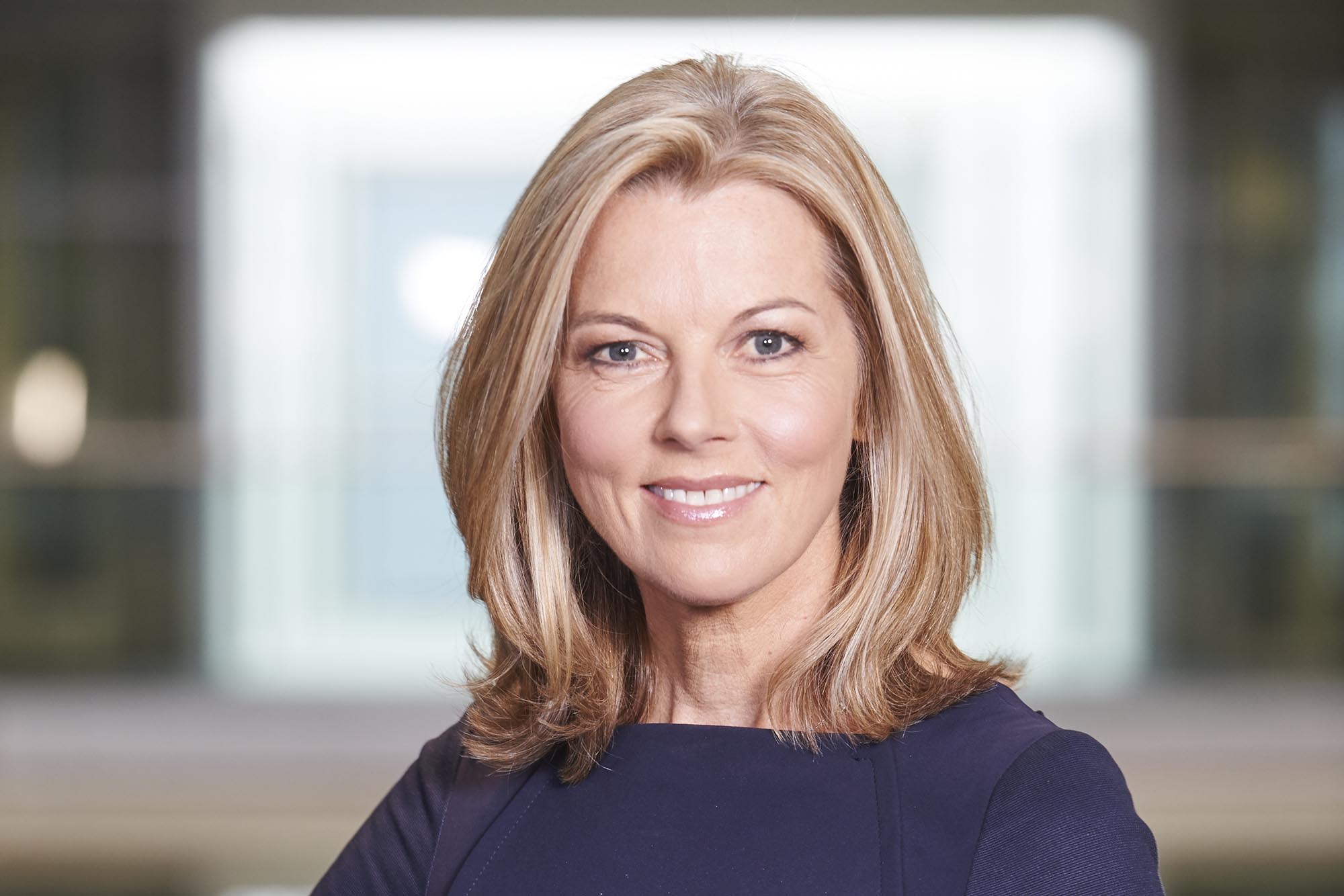
Recovery from Mary Nightingale illness required a comprehensive approach combining medical treatment, vocal therapy, and significant lifestyle adjustments. Mary worked closely with speech therapists and vocal coaches who specialized in helping professionals recover from voice disorders. These experts guided her through exercises designed to reduce strain, rebuild vocal strength, and prevent future damage.
Vocal therapy techniques similar to those used by opera singers and stage actors became part of Mary’s daily routine. These included breathing exercises to improve breath control and support, posture correction to reduce tension in neck and throat muscles, voice modulation training to speak without straining, and relaxation techniques to reduce overall stress levels.
Hydration became critically important in her recovery protocol. Voice specialists emphasized drinking water before, during, and after broadcasts. She kept a glass of cold water on set during news programs. Proper hydration keeps vocal cords lubricated and functioning optimally, reducing friction and strain.
Mary Nightingale illness recovery also involved lifestyle modifications beyond vocal exercises. She needed adequate rest between broadcasts, adjusted schedules to allow recovery time, avoidance of smoky environments and irritants, and careful management of acid reflux through diet. These changes required cooperation from ITV and her production team.
The network provided instrumental support during her recovery. Colleagues stepped in when her voice needed rest, schedules were adapted to reduce consecutive broadcast days, and producers ensured she wasn’t overextended. This professional support system was crucial in allowing Mary to continue working while healing.
Experts like Graeme Lauren from the English National Opera provided guidance. He advised sitting properly during broadcasts, breathing deeply from the lungs rather than shallowly from the chest, avoiding caffeine which can dehydrate vocal cords, and learning fundamental opera singers’ techniques for vocal control.
Mary Nightingale illness opened important conversations about mental health in high-pressure professions. Mary eventually addressed her condition directly in a candid interview with Good Housekeeping magazine. She revealed that extreme stress and anxiety were primary triggers for her voice problems, acknowledging the psychological dimension that many professionals experience but rarely discuss publicly.
The broadcasting industry, particularly live news presentation, creates unique mental health challenges. There’s no room for visible mistakes or weakness during live broadcasts. Every evening bulletin requires projecting calmness and authority regardless of how one feels physically or emotionally. This constant performance pressure can lead to anxiety, burnout, and physical manifestations of stress.
Mary faced additional pressure as one of Britain’s most recognizable newsreaders. Millions of viewers relied on her nightly presence. Industry recognition brought expectations—she had won Newscaster of the Year awards in 2002 and 2004. The BBC had made approaches to recruit her. This visibility increased pressure to maintain perfect performance despite health struggles.
The mental burden of hiding discomfort became as significant as the physical symptoms themselves. Anxiety about her performance created a vicious cycle—stress worsened voice problems, which increased anxiety about future broadcasts, which further worsened symptoms. Breaking this cycle required acknowledging the mental health component.
Mary Nightingale illness experience highlights how emotional strain affects physical well-being, especially in demanding careers. Her openness about the psychological nature of her condition proved revolutionary. In an industry that prizes apparent perfection, admitting mental health struggles felt risky. Yet her honesty created positive ripples.
Thousands of viewers contacted ITV sharing their own struggles with stress and anxiety in high-pressure professions—teachers, doctors, lawyers, engineers. Her courage to be vulnerable gave others permission to acknowledge their struggles. Colleagues privately thanked her, admitting they battled similar issues silently. Her disclosure sparked overdue conversations about journalist burnout and mental health.
| Mental Health Factors | Impact on Voice/Health |
|---|---|
| Chronic Stress | Muscle tension in throat and larynx |
| Performance Anxiety | Shallow breathing, vocal strain |
| Fear of Failure | Psychosomatic physical symptoms |
| Burnout | Chronic fatigue, weakened resilience |
| Public Scrutiny | Constant pressure for perfection |
| Work-Life Imbalance | Inadequate recovery time |
| Isolation | Hiding struggles worsens symptoms |
Mary Nightingale illness struggles occurred when she was in her late 30s, but understanding her background provides context for her resilience. Born on May 26, 1963, in Scarborough, North Yorkshire, England, Mary is 62 years old as of 2026 (turning 63 in May). She grew up as the third of four daughters in a family that valued education and achievement.
Mary’s childhood involved several moves that shaped her adaptability. She relocated to Marlow, Buckinghamshire, at age four, then moved to Devon when she was fourteen. These early relocations taught her to adjust to new environments and build resilience—skills that would serve her well in demanding broadcasting careers.
She attended prestigious private schools including Danesfield School in Medmenham, Buckinghamshire, St Margaret’s School (an independent girls’ school) in Exeter, and King Edward VI School in Totnes, Devon. This strong educational foundation emphasized communication skills, confidence, and academic excellence.
Mary pursued higher education at Bedford College, University of London, earning a BA in English. This degree developed her language skills, analytical thinking, and communication abilities—all essential for journalism. Her English literature background gave her strong writing skills and appreciation for storytelling.
Before entering broadcasting, Mary had diverse work experiences. She worked as a Eurobond dealer in finance, gaining business knowledge and market understanding. She also joined Sir Keith Mills’ team at Airmiles, helping with sales promotion. These early career experiences provided business acumen that would later inform her economic and corporate news reporting.
At 62 in 2026, Mary Nightingale illness battles are two decades behind her, but they shaped her approach to health, work-life balance, and professional sustainability. Her age represents wisdom gained through experience, including knowing when to prioritize health over appearance of invincibility.
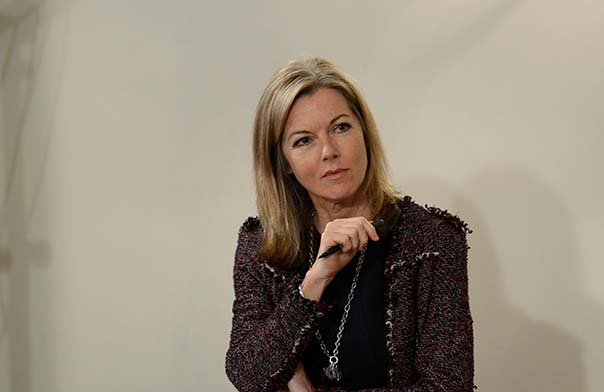
Understanding Mary Nightingale illness requires appreciating the career demands that contributed to it. Mary’s broadcasting journey spans 36 years of continuous achievement, building from international business reporting to becoming Britain’s most trusted evening news presenter.
Throughout her career, Mary Nightingale illness in 2002 represented the only significant professional disruption. Her ability to recover and continue for two more decades demonstrates remarkable resilience and commitment to her craft.
| Career Timeline | Position/Show | Network |
|---|---|---|
| 1990-1994 | World Business Satellite | TV Tokyo |
| 1994 | After 5 | London News Network |
| 1994-1999 | World Business Report | BBC World |
| 1996 | Ski Sunday | BBC Two |
| 1999-2001 | London Tonight | ITV |
| 1999-2001 | Wish You Were Here…? | ITV |
| 2001-2017 | ITV Evening News (co-presenter) | ITV |
| 2017-Present | ITV Evening News (sole presenter) | ITV |
| 2011 | Britain’s Best Dish | ITV |
Beyond Mary Nightingale illness discussions, her financial success reflects 36 years of distinguished broadcasting. As of 2026, Mary Nightingale’s estimated net worth is approximately £2-3 million (approximately $2.5-3.8 million USD). This wealth accumulation demonstrates both longevity in a competitive industry and smart financial management.
Her primary income source is her ITV News salary. Industry data suggests ITV news anchor salaries range from £70,000 to £300,000 annually, depending on experience, seniority, and visibility. As sole presenter of ITV Evening News with 25+ years at the network, Mary likely earns toward the higher end—approximately £200,000-£300,000 annually.
Beyond base salary, Mary generates additional income through various sources. Special presenting assignments for ITV programs like royal wedding coverage and documentary hosting provide supplementary fees. Her charity work as patron and ambassador, while often voluntary, raises her profile and leads to paid speaking opportunities.
Mary Nightingale illness experience hasn’t diminished her earning power—if anything, her demonstrated resilience and continued excellence justify premium compensation. Her ability to maintain viewer trust for over two decades makes her invaluable to ITV’s news division.
Mary’s net worth also reflects smart financial decisions. Living in West London, one of Britain’s most expensive areas, requires substantial income and careful budgeting. She and husband Paul Fenwick have managed finances successfully, providing comfortable lifestyle while building long-term wealth.
Property ownership likely represents significant net worth component. West London real estate has appreciated substantially over her 26-year marriage. Additional investments in pensions, savings, and possibly property portfolio would contribute to overall wealth estimation.
| Income Sources 2026 | Estimated Annual |
|---|---|
| ITV Evening News Salary | £200,000 – £300,000 |
| Special Assignments | £20,000 – £50,000 |
| Speaking Engagements | £10,000 – £30,000 |
| Other Projects | £5,000 – £20,000 |
| Total Estimated Annual Income | £235,000 – £400,000 |
| Estimated Net Worth (2026) | £2,000,000 – £3,000,000 |
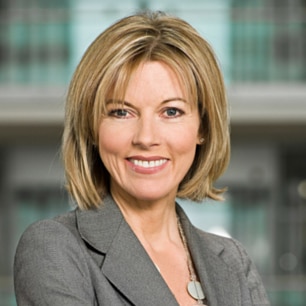
While Mary Nightingale illness was a personal health battle, her family provided crucial support throughout recovery. Mary married Paul Fenwick in April 2000 in New York City. Their marriage has endured 26 years as of 2026, representing stability and partnership that supported Mary through her 2002 health crisis.
Paul Fenwick worked as the former Human Resources director of Trailfinders, the travel company. He later transitioned to television production work, creating a household where both spouses understood media industry demands. Paul is approximately 54-55 years old as of 2026 (born around 1970), making him roughly 7-8 years younger than Mary.
Paul maintains a deliberately low public profile despite his wife’s fame. He doesn’t have significant social media presence and rarely appears in public photos or events. This privacy preference complements Mary’s own desire to keep personal life separate from professional visibility. His estimated net worth is around £1 million, independent of Mary’s earnings.
Mary and Paul have two children together. Their daughter, Molly Fenwick, was born in January 2003. Their son, Joe Fenwick, was born in 2005. Both children are now young adults—Molly is 23 and Joe is 21 as of 2026. The family resides in West London, maintaining privacy about their home life.
Mary has spoken publicly about a painful experience before Molly’s birth. She suffered a miscarriage in her first pregnancy, which she attributed to work-related stress and demanding schedule. This loss occurred around 2001-2002, coinciding with her Mary Nightingale illness struggles. The combination of voice problems, cancer scare, and pregnancy loss made this an extraordinarily difficult period.
The miscarriage experience reinforced for Mary the importance of work-life balance and prioritizing health. After recovering from both her voice condition and the emotional trauma of pregnancy loss, she successfully gave birth to Molly and then Joe. Her children represent the personal fulfillment that balanced her professional achievements.
Paul’s support during Mary’s health crisis was instrumental. Having a spouse who understood media pressures, respected her need for privacy, and provided emotional grounding helped her navigate recovery. Their enduring marriage suggests strong partnership built on mutual respect and support.
At 62 years old in 2026, Mary Nightingale illness struggles are decades past, but her physical appearance remains central to her on-screen success. Mary stands approximately 5 feet 5 inches (165 cm) tall with a slender build that she maintains through healthy lifestyle choices. Her body measurements are reported as close to 36-24-36 inches, reflecting her slim, size-10 physique.
Mary has distinctive grey-brown colored hair that was originally blonde but has naturally darkened and greyed with age. She wears her hair in various professional styles suitable for news broadcasting—sometimes shorter, sometimes shoulder-length, always polished. Her black-brown eyes convey intelligence and warmth, helping her connect with viewers emotionally during difficult news stories.
Her complexion is described as glowing and tanned, suggesting she maintains good skincare and possibly enjoys time outdoors. At 62, Mary looks remarkably well-preserved, though she doesn’t appear to chase youthful appearance artificially. Her look reflects natural aging with grace and care.
Mary’s fashion sense reflects classic British news presenter style. She typically wears tailored dresses, professional blazers, and sophisticated outfits in solid colors that photograph well on camera. Her wardrobe balances professionalism with personality—polished but not stuffy, elegant but not ostentatious.
Her on-screen presence extends beyond physical appearance. Mary’s delivery style combines authority with accessibility. She maintains calm demeanor even when reporting distressing news. Her voice, once threatened by illness, now represents reliability and trust for millions. The vocal strength she rebuilt through therapy gives her broadcasts steady, reassuring quality.
One memorable incident at the London Restaurant Awards involved comedian Michael Barrymore lifting Mary, resulting in media capturing photos that created headlines. Mary later explained the wardrobe situation with characteristic professionalism, demonstrating her ability to handle awkward public moments with grace.
Despite Mary Nightingale illness interrupting her career in 2002, she earned significant professional recognition. Mary won TRIC (Television and Radio Industries Club) Awards for Newscaster of the Year in both 2002 and 2004. Winning in 2002, the same year her illness became public, demonstrated that peers and viewers recognized her excellence despite health challenges.
These awards are particularly meaningful because they’re voted on by industry professionals who understand the demands and standards of broadcasting. Beating competitors like BBC’s Michael Buerk and Channel 5’s Kirsty Young validated Mary’s position as Britain’s most trusted news presenter.
Beyond formal awards, Mary has received recognition through viewer polls and surveys. She’s been repeatedly named Britain’s most popular female newsreader in public surveys. This viewer trust is perhaps more valuable than industry awards—it reflects decades of consistent, reliable reporting that audiences depend on.
Her longevity itself represents achievement. Remaining ITV Evening News’ sole presenter at 62, when many broadcasters retire or move to less demanding roles, demonstrates sustained excellence. She’s outlasted numerous competitors and maintained relevance across technological and cultural changes in media.
The BBC reportedly made two serious recruitment approaches during Mary’s career, offering opportunities to present news and wider range of programs. That she remained loyal to ITV despite potentially lucrative offers suggests satisfaction with her position and strong professional relationships.
Mary Nightingale illness recovery and return to full broadcasting capacity could be considered her greatest professional achievement. Many careers end when voice problems emerge. That she not only recovered but thrived for two more decades demonstrates extraordinary determination and resilience.
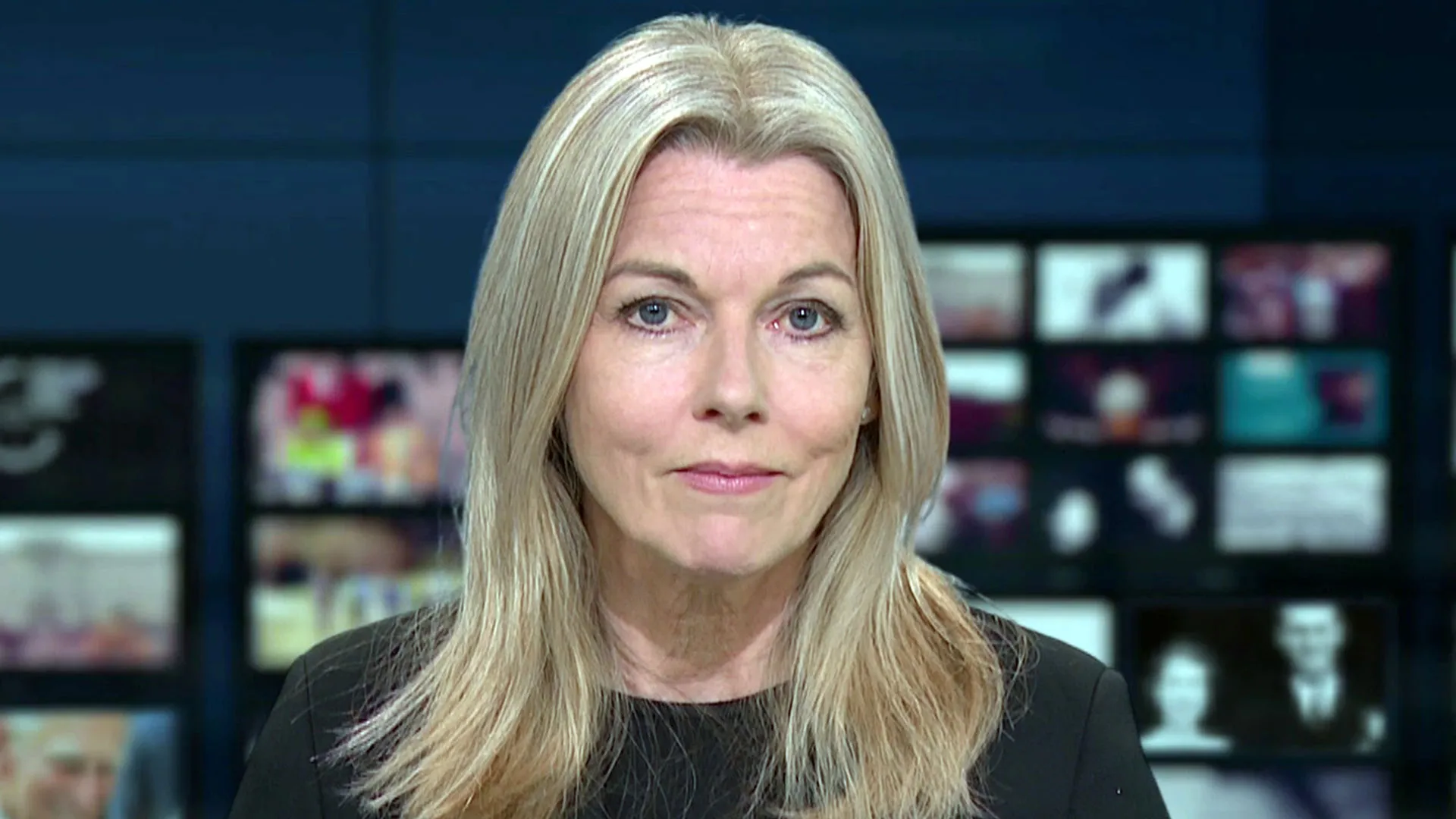
Beyond Mary Nightingale illness and broadcasting, Mary dedicates significant time to charitable causes. She serves as patron and ambassador for numerous British charities, using her public profile to support important causes. This philanthropic work reflects values of service and giving back.
Mary is patron of The Rainbow Trust, which supports families with seriously ill children. Given her own experience with health fears and family stress, this patronage likely holds personal significance. She’s also patron of The Willow Foundation, which provides special days for seriously ill young adults, and the Mariposa Trust, supporting those affected by pregnancy loss.
Her patronage of Action for Children aligns with her role as mother and her understanding of childhood wellbeing. She’s also ambassador for The Prince’s Trust, Prince Charles’ youth charity helping disadvantaged young people access opportunities. These commitments require time attending events, fundraising, and raising awareness.
While Mary doesn’t publicly campaign about her own Mary Nightingale illness experience, her story has been used by media trainers and vocal coaches as an educational example. She represents a model of protecting one’s voice under pressure, seeking expert help, and maintaining professional discipline during recovery.
Her approach to charity work mirrors her journalism philosophy—quiet effectiveness over loud self-promotion. She contributes meaningfully without seeking excessive recognition, using her platform to amplify important causes rather than herself.
When news of Mary Nightingale illness became public in 2002, viewer reaction was overwhelmingly supportive and compassionate. Fans who had welcomed her into their homes nightly for years expressed concern but also deep respect for how she handled the situation. Social media wasn’t yet widespread, but letters, emails, and calls to ITV demonstrated viewer affection.
Colleagues across the media industry praised Mary for maintaining professionalism while battling a condition that could have ended her career. In a field where appearances often matter more than health, Mary’s ability to be vulnerable without seeking attention resonated deeply. Her quiet dignity during crisis earned respect.
Once the truth emerged and cancer rumors were dispelled, viewers sent encouragement messages. Many expressed admiration for her perseverance and composure under pressure. One long-time viewer posted: “You never know what someone is going through behind the scenes. Mary has always been a class act, and now we admire her even more.”
Thousands contacted ITV sharing their own struggles with stress-related health issues in high-pressure professions. Teachers, doctors, lawyers, engineers—all related to her experience of psychological factors creating physical symptoms. Her openness gave others permission to acknowledge their struggles and seek help.
The public support likely provided comfort during difficult recovery period. Knowing that viewers understood, cared, and respected her honesty may have eased some isolation. Mary Nightingale illness became not just personal health crisis but shared human experience that connected her more deeply with audience.
Her continued presence on screen after recovery quietly proved she had overcome the worst. Rather than dramatic “comeback moment,” Mary simply resumed excellence. This understated approach matched her personality—let the work speak rather than making spectacle of struggle.
As of 2026, Mary Nightingale illness concerns from 2002 are historical rather than current. Mary continues presenting ITV Evening News at age 62, showing no signs of slowing down. Her regular appearances demonstrate that she has fully recovered from her voice problems and maintains good health more than two decades later.
There are no verified reports or official statements suggesting Mary is suffering from any current illness. Speculation occasionally arises when she takes brief absences from broadcasting, but these are typically normal scheduled breaks, holidays, or personal time off that all presenters require. It’s important to distinguish between speculation and fact.
Any subtle changes viewers might notice in her voice or appearance likely stem from natural aging rather than illness. At 62, vocal tone and projection naturally change—this is normal biology, not medical condition. The physical demands of broadcasting for 36 years also create occupational effects like vocal fatigue, which differ from pathological voice problems.
Mary has not made public statements about current health issues. She values privacy regarding medical matters and focuses on professional responsibilities. This privacy preference is normal and healthy for public figures who deserve boundaries between professional visibility and personal medical information.
Her continued excellence on ITV Evening News demonstrates sustained health and vitality. Mary Nightingale illness recovery taught her crucial lessons about vocal hygiene, stress management, and work-life balance. She appears to have integrated these lessons into sustainable career practices that support long-term health.
Looking ahead, Mary shows no signs of retirement. Her ongoing work demonstrates deep commitment to quality journalism. Whether she’ll continue presenting into her late 60s or eventually transition to other roles remains to be seen, but her current trajectory suggests sustained professional engagement.
Mary Nightingale illness experience offers valuable lessons for anyone in demanding professions:
Take Early Warning Signs Seriously: Mary’s voice problems started subtly but progressively worsened. Addressing symptoms early might have prevented 15 months of uncertainty. Listen to your body’s signals rather than ignoring them.
Mental Health Impacts Physical Health: The mind-body connection is real and powerful. Chronic stress, anxiety, and performance pressure can manifest as genuine physical symptoms. Acknowledging mental health struggles isn’t weakness—it’s necessary for overall wellbeing.
Seek Professional Help: Mary worked with speech therapists, vocal coaches, and medical experts. Professional guidance provided diagnosis, treatment, and recovery strategies she couldn’t have developed alone. Expertise matters when dealing with complex health issues.
Support Networks Are Crucial: ITV’s accommodation of Mary’s needs, colleagues covering when necessary, and family emotional support were instrumental in recovery. Workplaces and personal relationships that prioritize health make enormous difference.
Privacy Doesn’t Equal Secrecy: Mary kept her struggles private initially but eventually shared enough to help others. There’s balance between protecting privacy and creating awareness that helps reduce stigma around stress-related health issues.
Recovery Takes Time and Commitment: Mary’s recovery involved daily vocal exercises, lifestyle changes, stress management, and sustained effort. Quick fixes don’t exist for complex conditions—sustained commitment to treatment protocols produces results.
Resilience Can Be Developed: Mary Nightingale illness could have ended her career. Instead, she developed resilience through adversity, returning stronger and more aware of her limits and needs. Challenges can build rather than break us if we respond constructively.
| Aspect | Mary Nightingale | Other UK News Anchors |
|---|---|---|
| Age (2026) | 62 years old | Varies (30s-60s) |
| Network | ITV Evening News | BBC, Sky, Channel 4 |
| Years at Current Post | 25+ years (since 2001) | Varies widely |
| Health Challenges | 2002 vocal strain, functional dysphonia | Various, often private |
| Net Worth | £2-3 million | £1-5 million range |
| Presentation Style | Calm, authoritative, trustworthy | Varies by personality |
| Awards | TRIC Newscaster of Year (2002, 2004) | Various industry awards |
| Career Longevity | 36+ years broadcasting | 5-40+ years |
| Charity Work | Multiple patronages | Varies by individual |
| Privacy Approach | High privacy, selective sharing | Ranges from very public to private |
| Viewer Trust Rating | Consistently ranked most trusted | Varies by survey |
Mary Nightingale illness highlights a broader industry issue. Broadcasting professionals face unique vocal demands that create high rates of voice disorders. Understanding these occupational hazards helps contextualize Mary’s experience as industry-wide concern rather than isolated incident.
Broadcasters speak continuously for hours during productions, often without adequate vocal rest. Studio environments feature controlled air conditioning that dries throat and vocal cords. Tight deadlines create stress that manifests physically. Performance pressure demands perfection without visible weakness.
Studies show voice disorders affect 29-36% of professional voice users, compared to 3-9% of general population. Broadcasters, teachers, singers, and actors experience disproportionately high rates of vocal problems. The demands of constant vocal performance without proper training or rest create cumulative damage.
Many broadcasters work without formal vocal training, unlike singers or actors who learn proper technique. News presenters often develop habits that strain rather than support their voices—speaking from throat rather than diaphragm, holding tension in neck and shoulders, inadequate breathing support.
The psychological component Mary experienced isn’t unique. Performance anxiety, fear of mistakes, and constant scrutiny create stress that affects voice production. When voice is your professional tool, anxiety about voice problems creates vicious cycle where worry worsens symptoms.
Industry changes could reduce these problems. Providing vocal training for broadcasters, building regular rest periods into schedules, ensuring proper hydration and studio conditions, and creating cultures where seeking help for voice problems isn’t stigmatized would protect professionals’ health and careers.
Mary Nightingale illness recovery demonstrates that with proper treatment and support, vocal problems don’t have to end careers. Her story could inspire industry-wide improvements in how broadcasting organizations support presenters’ vocal health.
Mary Nightingale illness presented existential career threat—a newsreader who can’t speak faces professional extinction. How Mary overcame this fear and rebuilt her career offers insights into resilience and determination.
First, she confronted the problem directly rather than denying or minimizing it. Undergoing extensive testing, including frightening cancer screenings, required courage. Many people avoid medical investigation due to fear of bad news. Mary faced uncertainty head-on.
Second, she accepted the psychological dimension of her condition without shame. Acknowledging that stress and anxiety were primary triggers meant confronting mental health rather than just seeking physical solutions. This acceptance opened path to effective treatment.
Third, she committed to comprehensive treatment protocol. Daily vocal exercises, lifestyle modifications, stress management techniques, and ongoing professional support required discipline and sustained effort. Recovery wasn’t passive—it demanded active participation in healing process.
Fourth, she accepted help from support networks. Allowing colleagues to cover broadcasts, adjusting schedules, and relying on family emotional support meant admitting vulnerability. Independence is valued, but accepting help when needed is often necessary for recovery.
Fifth, she maintained perspective about what truly mattered. While career was important, Mary Nightingale illness experience taught that health and family ultimately matter more than professional success. This perspective shift reduced pressure and paradoxically helped her recover and continue career.
Finally, she gave recovery adequate time. There was no rush to prove she was “fine” before actually healing. Patience with the recovery process, rather than forcing premature return to full demands, allowed sustainable healing.
Mary Nightingale illness was functional dysphonia, a stress-related voice disorder where psychological factors cause physical voice problems without structural damage. In 2002, she underwent testing for throat cancer, but results were negative. Her condition stemmed from chronic stress, anxiety, and vocal strain from years of demanding live broadcasting.
No, Mary Nightingale does not have throat cancer. While she underwent testing for throat cancer in 2002 due to persistent voice problems, all tests came back negative. Her voice issues were diagnosed as functional dysphonia—a psychosomatic condition related to stress rather than cancer or other malignancy.
There is no official confirmation or verified information suggesting Mary Nightingale is currently ill in 2026. She continues presenting ITV Evening News regularly at age 62, showing no signs of serious health problems. Any occasional absences are normal scheduled breaks rather than illness-related.
Mary Nightingale is 62 years old in 2026, turning 63 on May 26, 2026. She was born on May 26, 1963, in Scarborough, North Yorkshire, England. Despite her age, she remains active as ITV Evening News presenter, making her the oldest woman network newsreader on British terrestrial television.
Mary Nightingale’s estimated net worth is approximately £2-3 million (about $2.5-3.8 million USD) as of 2026. This wealth reflects her 36-year broadcasting career, with annual ITV salary estimated at £200,000-£300,000. She’s been at ITV News since 2001, building substantial financial success through longevity and excellence.
Mary Nightingale is married to Paul Fenwick, the former Human Resources director of Trailfinders travel company. They married in April 2000 in New York City and have been together for 26 years as of 2026. They have two children together: daughter Molly (born 2003) and son Joe (born 2005).
Mary Nightingale recovered through comprehensive treatment including vocal therapy with speech coaches, breathing exercises and voice modulation training, lifestyle adjustments like proper hydration and stress management, support from ITV with schedule modifications, and addressing underlying anxiety and stress. Recovery took sustained effort over months but was ultimately successful.
Beyond Mary Nightingale illness in 2002, she experienced a miscarriage in her first pregnancy around 2001-2002, which she attributed to work-related stress and demanding schedule. She later successfully gave birth to two healthy children. There are no reports of other significant health issues throughout her career.
Mary Nightingale’s voice problems in 2002 stemmed from functional dysphonia caused by extreme stress, chronic vocal strain from years of broadcasting, performance anxiety and pressure, possible acid reflux, and inadequate vocal rest. Any current subtle voice changes likely reflect natural aging at 62 rather than medical conditions.
Mary Nightingale won TRIC (Television and Radio Industries Club) Awards for Newscaster of the Year in both 2002 and 2004. She has also been repeatedly voted Britain’s most trusted and popular female newsreader in viewer surveys. Her 25+ years presenting ITV Evening News represents sustained excellence recognized by both industry and viewers.
Mary Nightingale illness journey from frightening health crisis to complete recovery represents one of British broadcasting’s most inspiring resilience stories.
At 62 years old in 2026, Mary continues presenting ITV Evening News with the same professionalism and trustworthiness that earned her Newscaster of the Year honors over two decades ago.
Her battle with functional dysphonia in 2002—including terrifying throat cancer testing—could have ended the career of Britain’s most beloved news presenter, but instead became a testament to the power of proper treatment, professional support, and personal determination.
Her estimated £2-3 million net worth reflects 36 years of broadcasting excellence, while her 26-year marriage to Paul Fenwick and two children demonstrate the personal stability that supported her through health challenges.
Mary’s openness about the stress-related, psychosomatic nature of her voice problems broke important ground in mental health awareness, particularly in high-pressure professions.
Macron wife age difference is approximately 24 years, with Brigitte...

Fortune Justin Bieber: Justin Bieber’s fortune is estimated to exceed...