
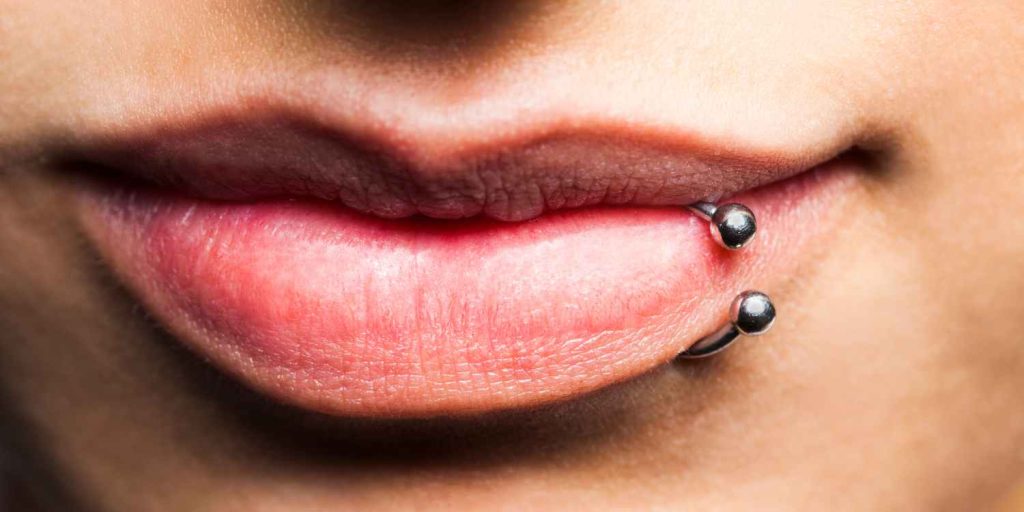
Getting a piercing can feel scary if you are new to body modification. Every year, many people get infections because of poor safety and aftercare. This guide will show you how to choose a safe studio, care for your piercing, and avoid common problems.
Keep reading to make sure your first piercing is safe and smooth!
Pick a studio with skilled piercers who follow safety rules. Make sure their tools and space are clean and tidy before you book an appointment.
Reading reviews online helps you learn about a piercing studio’s reputation. Websites like Google, Yelp, and Facebook show real feedback from other clients. Pay attention to comments on cleanliness, infection prevention, pain management, and professionalism.
Many people mention if the professional piercer followed safety precautions or used clean equipment. A reliable shop has recent pictures showing a tidy workspace and happy customers.
Check if the studio holds any licenses or belongs to groups such as the Association of Professional Piercers (APP). APP members follow strict hygiene rules for body modification studios in the United States.
Ask how long the place has been open and how much experience their staff have with different piercing types. Studios with good reputations will answer questions openly about safe procedures and aftercare routines.
Learning to verify sterilization standards is your next step before choosing where to get pierced.
Choosing a safe piercing studio is key to your experience. Verify their hygiene practices and sterilization methods. Check if they use new needles for each customer. A good studio should also clean their tools with medical-grade sterilizers.
This reduces the risk of infection.
Incorporating a wellness routine that includes proper aftercare can significantly reduce the risk of infection after getting a piercing.
Look for signs that show they follow health guidelines. Clean workspaces are important, as well as wearing gloves during procedures. Ask about their cleaning routines, too; studios should have protocols in place to keep you safe from germs.
Trusting a professional piercer means making sure they prioritize cleanliness and safety at all times.
Prepare for your piercing appointment by thinking about your health. Talk to the piercer about where you want the piercing and what type of jewelry you like.
Know your health before getting a piercing. Certain medical conditions can affect healing. If you have allergies or skin issues, tell your piercer. Speak up about any medications you take too.
It might impact the healing process.
Also, ensure you are of legal age to get a piercing in your area. Consent is vital for safety. Make sure to follow all safety precautions at the studio. This will help prevent infections and support proper healing after your procedure.
Placement and jewelry are key parts of getting a piercing. You will choose where to place the piercing on your body. Popular spots include ears, noses, and belly buttons. Each area has different healing times and pain levels.
Pick jewelry that suits your style but also is safe for beginners. Stainless steel, titanium, and gold are good materials because they rarely cause allergies. Always check with your piercer about the best options for you.
Your choice sets the tone for how your piercing looks after it heals. Next, we will look at selecting safe jewelry materials for your new piercing.
Choose the right materials for your new piercing. Look for options that are safe and less likely to cause skin reactions.
Selecting the right jewelry is key for beginners. Safe materials help reduce allergic reactions and promote healing.
Choosing the right material ensures a safer experience during your body modification journey. Proper jewelry helps in infection prevention and supports the healing process effectively.
Many people have allergic reactions to certain metals in jewelry. Nickel is a common cause of these reactions. For beginners, it’s best to choose jewelry made from hypoallergenic materials.
Good options include titanium, surgical stainless steel, or plastic.
Always check the material before your piercing appointment. If you know you are allergic to specific metals, tell your piercer. They can help you find safe choices for your new piercing and reduce the risk of skin irritation or rashes later on.
During the piercing process, you will meet with a professional piercer. They will explain each step and help ease any worries you may have.
Pain is a normal part of getting a piercing. Knowing how to manage it can help.
Managing pain effectively helps improve your experience when getting a piercing safely.
The piercing process happens quickly. It is best to know what will occur during your appointment.
This process ensures that everything goes smoothly and safely while getting your body modification done professionally.
Caring for your new piercing is key to healing well. Clean it gently with saline solution to avoid infections and keep it safe.
Cleaning your piercing is very important. A saline solution is a safe and gentle way to do this. Mix one teaspoon of non-iodized sea salt with eight ounces of warm distilled water.
Use a clean cotton ball or gauze to apply the saline directly to the area. This helps keep it free from dirt and germs.
Do this twice a day for best results. Keep your piercing dry between cleansings, but avoid soaking it in water like pools or hot tubs. Following these aftercare tips will help lessen irritation and prevent infection.
Next, we’ll talk about avoiding irritants and preventing infections effectively.
After getting a piercing, keeping the area clean is key. It helps prevent infections and promotes healing.
Once you understand how to care for your new piercing, you’ll want to learn more about aftercare essentials for ongoing healing support.
Getting a piercing can be fun. Safety is key. Choose a good studio and ensure they follow hygiene rules. Talk with your piercer about how to care for your new body art. With the right steps, you can enjoy your piercing while keeping it safe and clean.