

Your skin is an extraordinary organ, capable of remarkable feats that might seem almost otherworldly. Like an intelligent alien lifeform adapting to new environments, your skin constantly repairs, regenerates, and responds to changes with surprising sophistication. When you decide to remove a tattoo, you’re essentially asking your skin to perform one of its most complex tricks: clearing away embedded pigment while maintaining its integrity and appearance. This process reveals the hidden intelligence of human tissue, how layers of cells communicate, coordinate immune responses, and rebuild themselves with precision that continues to astonish dermatologists.
Tattoo removal represents far more than erasing regretted ink. It’s a controlled medical intervention that harnesses both advanced technology and your body’s innate healing capabilities. The journey from consultation to final session demands attention, discipline, and respect for the biological processes at work beneath your skin’s surface. Understanding how to support these processes through proper healthcare and skincare routines makes the difference between optimal results and disappointing outcomes marked by scarring, pigmentation issues, or prolonged recovery.
This comprehensive guide walks you through every phase of the tattoo removal experience. From preparing your body weeks before the first laser pulse to nurturing regenerated skin months after your final session, each step matters. Your skin’s remarkable ability to heal deserves equally remarkable care in return.
Tattoo removal operates on fascinating scientific principles that showcase both technological innovation and biological intelligence. Laser technology delivers concentrated light energy in specific wavelengths that target tattoo pigment molecules embedded in your skin’s dermis layer. These high-intensity pulses shatter ink particles into smaller fragments, transforming them into sizes your immune system can recognize and eliminate.
The process relies on selective photothermolysis, a precise mechanism where laser light passes through skin without damaging surrounding tissue, focusing its energy specifically on pigment particles. Different ink colors absorb different wavelengths, which explains why multi-colored tattoos require varied laser settings and sometimes multiple laser types for complete removal.
Your body’s response to this intervention demonstrates cellular intelligence at work. White blood cells identify the fragmented ink particles as foreign material and transport them through the lymphatic system for eventual elimination. This gradual clearance happens over weeks and months, which is why tattoo removal requires multiple sessions spaced apart rather than a single treatment.
Several methods exist for tattoo removal, each with distinct approaches:
Laser removal dominates modern practice, with Q-switched lasers and newer PicoSure technology offering different advantages. Q-switched lasers deliver nanosecond pulses, while picosecond lasers operate even faster, creating photoacoustic rather than photothermal effects that some practitioners believe cause less thermal damage to surrounding tissue.
Alternative methods include dermabrasion, which mechanically removes skin layers; surgical excision for small tattoos; and chemical peels, though these approaches carry higher scarring risks and have largely been superseded by laser technology for most applications.
Your skin undergoes predictable responses during this process. Temporary redness, swelling, and heat are immediate reactions as blood flow increases to the treatment area. Pigment changes can occur as melanocytes respond to laser energy. Your body’s collagen production accelerates during healing, which is why proper aftercare significantly influences final appearance. Understanding these biological realities helps set realistic expectations and emphasizes why following professional guidance matters tremendously.
Success in tattoo removal begins weeks before your first appointment. Preparing your body creates optimal conditions for healing and minimizes complication risks. This preparation period demonstrates your commitment to the process and respects the biological work your skin will perform.
Hydration and nutrition form the foundation of skin health. Well-hydrated skin heals faster and withstands laser treatment stress more effectively. Aim for consistent water intake daily, not just the day before your appointment. Your diet should include skin-supporting nutrients: Vitamin C promotes collagen synthesis and immune function; zinc aids tissue repair; antioxidants from colorful fruits and vegetables combat oxidative stress that accompanies any skin trauma.
Avoiding skin stressors prevents unnecessary vulnerability. Stop using retinoids, alpha hydroxy acids, and other exfoliating products seven to ten days before treatment. These ingredients thin the stratum corneum and increase photosensitivity, potentially intensifying laser side effects. Sun exposure poses particular risks—tanned or sunburned skin absorbs more laser energy, increasing pain and complication likelihood. If your tattoo is in an area that receives regular sun exposure, commit to daily sunscreen use for at least two weeks pre-treatment, or better yet, year-round.
Medical considerations require honest conversations with your dermatologist. Certain conditions affect healing capacity and treatment safety. Active skin infections, autoimmune disorders, keloid tendencies, or medications that increase photosensitivity need disclosure. Pregnant women should postpone tattoo removal, as the process releases ink particles into the bloodstream, and effects on fetal development haven’t been adequately studied. Diabetic patients face heightened infection risks and slower healing, requiring extra precautions and monitoring.
Lifestyle adjustments in the days immediately before treatment optimize your body’s response. Alcohol dilates blood vessels and can increase bruising, while smoking constricts them and impairs oxygen delivery to tissues. Avoiding both for 24 to 48 hours before your session gives your skin the best fighting chance. Quality sleep supports immune function, which will be crucial for clearing fragmented ink particles afterward.
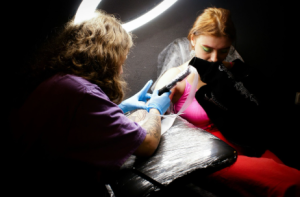
Understanding the treatment experience reduces anxiety and helps you participate actively in your care. The clinical environment is designed for precision, sterility, and your comfort throughout the procedure.
Your session begins with thorough cleansing of the treatment area using antimicrobial solution, removing oils, bacteria, and debris that could interfere with the laser or cause infection. Topical anesthetic cream numbs the area, typically applied 30 to 45 minutes before laser treatment begins. Some clinics offer additional numbing options like local injections or cooling devices for particularly sensitive areas or pain-sensitive patients.
The laser process itself feels different to different people. Many describe it as elastic bands snapping repeatedly against skin, while others perceive it as brief stinging sensations or pinpricks. The Guide to Laser for Tattoo Removal process involves the practitioner moving a handpiece across your tattoo, delivering short pulses of laser light. Each pulse lasts only nanoseconds or picoseconds, though the sensation lingers slightly longer. Session duration depends on tattoo size and ink density—small tattoos may take ten minutes, while large, multi-colored pieces can require 30 minutes or more.
Immediate skin reactions are normal and expected. The treated area often appears frosted or whitish immediately after laser pulses, a temporary reaction caused by rapid heat formation in the skin. Redness and slight swelling develop within minutes as your body increases blood flow to the area. Some patients experience pinpoint bleeding or mild blistering, particularly with darker or denser inks.
Your practitioner applies soothing treatments immediately after completing the laser work. Cooling gels, hydrocolloid dressings, or prescribed ointments calm the skin barrier and begin the healing process. You’ll receive detailed aftercare instructions, which become your roadmap for the crucial recovery period ahead. Take photos of written instructions with your phone if helpful, as details can be overwhelming in the moment.
The first two days after tattoo removal represent the most critical window for preventing complications and establishing healthy healing patterns. Your skin has just experienced controlled trauma and is mounting its defense and repair responses. Supporting these processes requires attentive, gentle care.
Keeping the area clean and protected prevents infection while allowing necessary healing processes to unfold. Wash the treated area twice daily using lukewarm water and a mild, fragrance-free cleanser. Avoid hot water, which increases inflammation and discomfort. Pat the area completely dry with a clean towel—never rub or scrub, which can damage delicate healing tissue and dislodge protective scabs forming over the treatment site.
Applying soothing topicals provides comfort and supports skin barrier recovery. Pure aloe vera gel offers cooling relief and anti-inflammatory properties without occluding the skin. Dermatologist-recommended healing creams typically contain ingredients like panthenol, allantoin, or ceramides that support barrier function. Avoid petroleum-heavy ointments like standard petroleum jelly, which trap heat and moisture in ways that can delay healing or encourage bacterial growth. Apply thin layers only—more isn’t better in this context.
Avoiding moisture and friction prevents maceration and mechanical stress to healing tissue. Keep the area as dry as possible between cleanings. Skip swimming pools, hot tubs, and saunas entirely during this period, as they introduce bacteria and excessive moisture. Avoid strenuous workouts that cause sweating in the treatment area. Choose loose-fitting clothing that won’t rub against the site—friction can damage healing skin and is surprisingly uncomfortable on sensitive post-laser tissue.
Pain management usually requires only simple measures. Cold compresses provide relief if swelling or discomfort persists, but use them over a thin cloth barrier rather than directly on skin. Over-the-counter pain relievers like acetaminophen are generally safe, but consult your practitioner before taking anti-inflammatory medications like ibuprofen, as some evidence suggests they might slightly slow healing by suppressing inflammation that drives tissue repair.
Beyond the first critical days, ongoing care nurtures your skin through weeks and months of regeneration. This phase determines your final results and your skin’s long-term appearance in the treated area.
Sun protection ranks as the single most important long-term aftercare measure. UV radiation causes hyperpigmentation in healing skin and can create permanent dark spots in treated areas. Apply broad-spectrum SPF 50 or higher daily to the tattoo site for at least three months post-treatment, even on cloudy days or if the area is typically covered by clothing. UV rays penetrate windows and clouds, and healing skin is exceptionally vulnerable. Consider this non-negotiable if you want optimal aesthetic results.
Moisturizing routines support barrier repair and improve skin texture during regeneration. Choose gentle moisturizers with ceramides, hyaluronic acid, or niacinamide that strengthen the skin barrier without irritation. Apply twice daily after cleansing, continuing this practice well beyond visible healing. Consistent moisturization improves skin elasticity and appearance, helping treated areas blend seamlessly with surrounding skin.
Avoiding picking or scratching requires discipline but prevents lasting damage. Scabs protect healing tissue underneath and contain cells orchestrating repair. Removing them prematurely reopens wounds, invites infection, and significantly increases scarring risk. Similarly, blisters should be left intact—they’re sterile environments allowing healing to proceed undisturbed. If itching becomes intense, apply cool compresses or ask your dermatologist about safe anti-itch options.
Monitoring for complications means staying alert to signs that professional intervention is needed. Some redness and tenderness are normal for several days, but if these symptoms persist beyond 72 hours or worsen rather than improving, contact your dermatologist. Similarly, increasing pain, unusual discharge, or fever may indicate infection requiring prompt treatment. Early intervention prevents minor issues from becoming major complications.
Most tattoos require multiple removal sessions spaced weeks apart. The interval between treatments isn’t idle time but rather an active healing and clearance period. Maintaining skin health during these gaps improves results and prepares your skin for subsequent sessions.
Session gaps typically span six to eight weeks, though your practitioner may adjust this timing based on your skin’s response and tattoo characteristics. This interval allows fragmented ink particles to clear through your lymphatic system and gives skin time to fully recover. Rushing sessions by shortening intervals doesn’t accelerate results and may increase scarring risk.
Diet and supplements continue supporting your body’s healing work between sessions. Maintain the vitamin-rich diet you established before treatment, with particular emphasis on vitamin C, vitamin E, and zinc. Some patients benefit from omega-3 fatty acid supplements, which have anti-inflammatory properties and support cell membrane health. Collagen supplements have gained popularity for skin support, though evidence for their effectiveness remains mixed—whole food protein sources may be equally beneficial.
Gentle exfoliation becomes appropriate once the treatment area has completely healed, typically three to four weeks post-session. Light exfoliation with a soft cloth or gentle chemical exfoliant removes dead skin cells that can dull appearance. Some practitioners believe this may slightly improve laser penetration in subsequent sessions, though evidence is limited. Always err on the side of gentleness and stop immediately if you experience irritation.
Hydration and rest remain fundamental throughout your tattoo removal journey. Your immune system does the actual work of clearing ink particles, and immune function depends on adequate sleep, stress management, and overall wellness. Consider this holistic preparation for your next session rather than merely maintaining the treatment site.
Understanding common pitfalls helps you navigate recovery successfully and avoid setbacks that delay results or damage skin.
Skipping aftercare represents the most consequential mistake. The detailed instructions your practitioner provides aren’t suggestions but rather evidence-based protocols that minimize complications. Inadequate cleaning invites infection. Neglecting sun protection causes pigmentation problems. Dismissing these guidelines because healing appears to progress well is like removing a cast from a broken bone early because pain has decreased.
Sun exposure deserves repeated emphasis because its risks are so underestimated. Even brief, incidental sun exposure can trigger melanocyte activity in healing skin, causing dark spots that prove remarkably difficult to correct. The inconvenience of vigilant sun protection pales beside months or years of dealing with post-inflammatory hyperpigmentation.
Over-moisturizing or occlusion demonstrates that excessive care can be counterproductive. Keeping healing skin constantly covered with thick ointments or occlusive dressings traps heat, creates overly moist environments where bacteria thrive, and may actually slow healing. Your skin needs to breathe while it recovers.
DIY remedies circulating on social media or internet forums are frequently harmful. Harsh acids, aggressive scrubs, essential oils, and home laser devices can cause chemical burns, mechanical trauma, or unpredictable reactions when used on healing skin after professional Guide to Laser for Tattoo Removal treatments. Trust your dermatologist’s guidance over crowdsourced advice.
Ignoring dermatologist follow-ups means missing opportunities to address emerging issues before they become problematic. Your practitioner needs to assess healing, adjust treatment parameters if necessary, and confirm you’re on track. These appointments aren’t optional check-ins but essential components of comprehensive care.
Distinguishing normal healing from complications requiring medical attention empowers you to act quickly when problems arise.
Infection indicators include increasing redness that spreads beyond the treatment area, pus or cloudy discharge, swelling that worsens rather than improving, and systemic symptoms like fever or chills. Skin infections can escalate quickly and cause serious complications, so don’t wait to contact your dermatologist if these signs appear.
Severe pigment changes may signal problems beyond normal healing. While some temporary lightening or darkening is common, dark patches that persist or white areas indicating pigment loss might require intervention. Hyperpigmentation often responds well to treatment if addressed early, while hypopigmentation proves more challenging but can sometimes improve with specialized therapies.
Allergic reactions manifest as intense itching, spreading rash, hives, or swelling extending beyond the treatment site. While rare, allergies to topical products used during or after treatment can occur. Discontinue any new products and seek immediate medical evaluation for severe reactions.
Delayed healing deserves professional assessment if the treatment site hasn’t shown substantial improvement after ten to fourteen days. Persistent open wounds, ongoing oozing, or lack of scab formation may indicate underlying issues affecting healing capacity.
Professional support throughout your tattoo removal journey isn’t just about treating complications. Regular dermatology supervision ensures your skin receives optimal care customized to its unique responses, maximizing both safety and results.
Dermatological research continues advancing tattoo removal technology and aftercare approaches, promising even better outcomes with fewer side effects.
New laser technologies push the boundaries of what’s possible. Picosecond lasers already represent significant advancement over previous Q-switched technology, and ongoing refinements in pulse duration, energy levels, and wavelength options continue improving results while reducing tissue trauma. Nanosecond and even femtosecond lasers are under investigation for specific applications.
Cryotherapy-assisted procedures combine cooling with laser treatment to minimize inflammation and discomfort. Controlled cooling before, during, and after laser pulses reduces thermal damage to surrounding tissue while maintaining effectiveness against tattoo pigment. Some advanced systems integrate cooling directly into laser handpieces for seamless treatment.
Regenerative treatments borrowed from aesthetic medicine are being explored for accelerating healing and improving skin appearance post-tattoo removal. Platelet-rich plasma therapy introduces concentrated growth factors that stimulate collagen production and tissue repair. Stem cell applications remain largely experimental but show theoretical promise for enhanced skin regeneration.
AI-based skin monitoring represents an emerging frontier where artificial intelligence analyzes healing patterns through smartphone photos or specialized imaging devices. These systems can predict healing trajectories, identify potential complications early, and personalize aftercare recommendations based on individual skin responses. As this technology matures, it may enable more precise, individualized treatment protocols.
Tattoo removal is a sophisticated dermatological process that demands as much respect for healing as for the technology that initiates it. Your skin’s remarkable capacity to clear embedded pigment, repair itself, and regenerate with minimal scarring reveals the extraordinary intelligence built into human tissue. Supporting these biological processes through comprehensive healthcare and skincare routines before and after treatment transforms good results into optimal ones.
From hydration and nutrition weeks before your first session to sun protection months after your last, every element of the care routine serves specific purposes rooted in skin biology and healing science. Preparing your body thoughtfully, following professional guidance meticulously, and maintaining skin health between sessions demonstrates partnership with your dermatologist and respect for your own tissue’s healing capabilities.
The journey from deciding to remove a tattoo to revealing unmarked skin isn’t merely about erasing ink. It’s about recognizing that your skin is a living, responsive organ with its own form of intelligence, working tirelessly to protect and heal you. When you honor that intelligence through proper care, you don’t just fade tattoos. You restore confidence, support long-term dermatological wellness, and witness firsthand the remarkable healing power that’s been part of you all along. Your skin knows what to do. Your job is simply to provide the conditions that let it work its magic.