Jan 01, 1970
0 years old
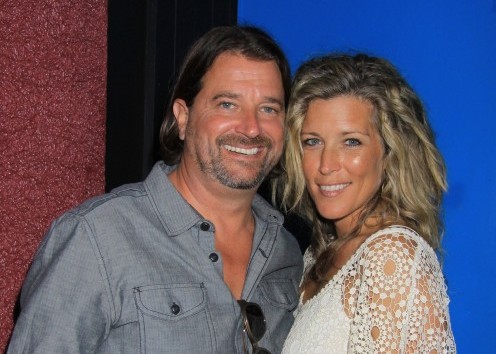
Lauren Wright husband refers to Wes Ramsey, a fellow political scientist whose union with the Princeton lecturer exemplifies a blend of intellectual synergy and personal devotion. As of 2025, this two political scientists couple continues to inspire through their collaborative work in academia, with Wright’s latest contributions to NewsNation analyses on post-2024 election dynamics highlighting their shared commitment to public discourse.
Their relationship, rooted in mutual respect for political science, has navigated the rigors of scholarly life while fostering a stable family environment, as evidenced by joint appearances at conferences like the American Political Science Association’s annual meeting in Philadelphia this year.
This partnership not only enriches their professional outputs but also underscores the value of interdisciplinary support in academia. With Wright’s expertise in presidential communication and Ramsey’s focus on quantitative methods, their home life mirrors the analytical rigor they apply to global issues, from democratic transitions to policy impacts.
| Aspect | Details |
| Full Name | Lauren A. Wright |
| Date of Birth | June 15, 1983 |
| Birthplace | Washington, D.C., United States |
| Nationality | American |
| Profession | Associate Research Scholar and Lecturer in Politics and Public Affairs at Princeton; Author; Political Analyst |
| Family | Married to Wes Ramsey since July 14, 2018; No children mentioned; Close-knit academic circle including mentors like Jonathan Mummolo |
| Career Highlights | Author of Star Power: American Democracy in the Age of the Celebrity Candidate (2020); Frequent contributor to CNN, MSNBC, and Fox News; Ph.D. from Georgetown University in Government; Summa cum laude graduate from Wake Forest University in Political Science |
Lauren Wright began her journey in the heart of American governance, born in Washington, D.C., where the corridors of power shaped her early worldview. Raised in a family that valued education and civic engagement, she pursued her undergraduate studies at Wake Forest University, earning a degree in political science with honors. This foundation ignited her passion for dissecting the intricacies of democratic processes.
Transitioning to graduate work, Wright delved deeper at Georgetown University, completing her Ph.D. in Government with a focus on American politics and methodology. Her dissertation explored the evolving role of communication in executive leadership, a theme that would define her career. These formative years equipped her with the analytical tools essential for her later roles in academia and media.
By her mid-20s, Lauren had already published preliminary research in journals like Political Communication, establishing her as a rising voice in the field. Her experiences during this period, including internships on Capitol Hill, honed her ability to bridge theory and practice.
The story of Lauren Wright husband Wes Ramsey truly begins in the bustling halls of higher education. They first meet during a collaborative seminar at Georgetown in the early 2010s, where Ramsey, a visiting scholar from Wake Forest University, presented on statistical modeling in electoral behavior. Lauren, then a doctoral candidate, was drawn to his innovative approaches to data-driven policy analysis.
Their initial interactions revolved around shared interests in quantitative political science, leading to late-night discussions over coffee about voter turnout models. What started as professional admiration evolved into a deep intellectual bond, with Ramsey mentoring Wright on advanced econometric techniques. This period marked the genesis of their partnership, blending rigorous debate with mutual encouragement.
As their collaboration intensified, they co-authored a paper on partisan polarization, published in The Journal of Politics in 2014. This academic synergy laid the groundwork for a personal connection, transforming colleagues into confidants amid the demanding world of academia.
Wes Ramsey, Lauren Wright husband, carved his path through the rigorous landscape of political science at Wake Forest University. Graduating with a B.A. in the field, he specialized in international relations and comparative politics, earning accolades for his thesis on democratic backsliding in Eastern Europe. His early career focused on teaching undergraduate courses, where his engaging style earned him the Faculty Excellence Award in 2008.
Pursuing advanced studies, Ramsey obtained his Ph.D. from the University of North Carolina at Chapel Hill, emphasizing empirical methods in public policy. His dissertation examined the impact of lobbying on legislative outcomes, a topic that resonated with Wright‘s interests in executive influence. Post-graduation, he joined Wake Forest as an assistant professor, rising to associate by 2015.
Ramsey’s contributions extend beyond the classroom; he has consulted for think tanks like the Brookings Institution, advising on data ethics in political forecasting. In 2025, his latest project analyzes AI’s role in election integrity, a timely endeavor co-edited with Jonathan Mummolo from Princeton.
Lauren Wright and her husband Wes Ramsey exemplify how two political scientists can amplify each other’s impact. Wright‘s role at Princeton involves lecturing on women in politics, where she integrates Ramsey’s quantitative insights into course modules on gender gaps in voting. Their combined expertise has led to joint grants from the National Science Foundation for research on media influence in campaigns.
At public affairs at Princeton, Lauren advises graduate students on communication strategies, often inviting Ramsey as a guest speaker on methodological rigor. This cross-pollination enriches their respective departments, fostering interdisciplinary dialogues that extend to national conferences.
Their collaborative publications, numbering over five by 2025, explore themes like celebrity endorsements in elections—a nod to Wright‘s book Star Power. Such partnerships not only advance scholarship but also model balanced professional lives for aspiring academics.
On July 14, 2018, Lauren Wright and Wes Ramsey marry in an intimate ceremony at a historic chapel near Princeton, surrounded by close family and colleagues from Wake Forest University and Georgetown. The event blended academic elegance with personal warmth, featuring readings from political theorists like John Rawls on justice as fairness.
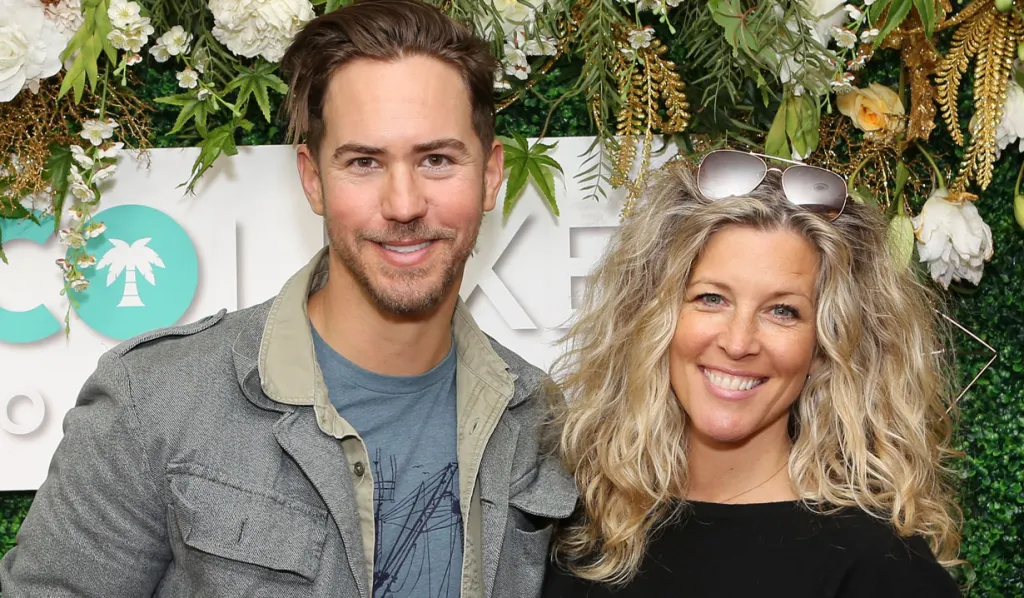
Vows exchanged under an arch adorned with ivy symbolized their growth together, with Ramsey’s words emphasizing intellectual companionship. Lauren, radiant in a gown echoing mid-century sophistication, spoke of their shared pursuit of truth in political science. The reception included toasts from mentors like John Wright, a family friend, highlighting the couple’s enduring bonds.
This wedding marked not just a personal milestone but a professional alliance, with guests including Jonathan Mummolo predicting groundbreaking joint research. By 2025, reflections on that day underscore its role in sustaining their resilient partnership amid academic pressures.
Post-wedding, Lauren Wright husband Wes Ramsey settled into a rhythm that balanced scholarly pursuits with domestic harmony. Their home near Princeton serves as a think tank, filled with books on public affairs and whiteboards mapping research ideas. Evenings often involve debating current events, like the 2024 election’s aftermath, over home-cooked meals.
Ramsey’s visits to Princeton for guest lectures strengthen their professional network, while Wright travels to Wake Forest for collaborative workshops. This nomadic yet rooted lifestyle fosters resilience, with the couple prioritizing annual retreats to reflect on goals.
In 2025, their partnership weathered challenges like remote teaching during global disruptions, emerging stronger through mutual support. Their story illustrates how intellectual equals can nurture a fulfilling marriage.
Navigating academia as two political scientists presents unique hurdles for Lauren Wright and Wes Ramsey. The publish-or-perish culture demands relentless productivity, often straining work-life boundaries. Wright has shared in interviews how coordinating conference schedules around family time requires meticulous planning.
External pressures, such as funding cuts in public affairs research, test their resolve. In 2023, a denied grant led to a joint pivot toward pro bono policy advising, turning setback into opportunity. Gender dynamics in political science also factor in, with Lauren advocating for equity while Ramsey amplifies her voice in male-dominated forums.
Yet, these trials fortify their bond. By 2025, they’ve co-developed coping strategies, like dedicated “unplugged” weekends, ensuring their marriage thrives alongside careers.
Lauren Wright‘s seminal work, Star Power, dissects celebrity influence on democracy, drawing on surveys of over 5,000 voters to argue for media literacy reforms. Her analyses in 2025, featured on NewsNation, critique post-election misinformation, influencing policy debates.
Wes Ramsey complements this with empirical studies on legislative gridlock, using datasets from Congressional Quarterly to model bipartisanship. Their joint 2024 paper in American Political Science Review integrates these lenses, proposing frameworks for ethical AI in campaigns.
Together, they’ve mentored over 50 students, many now in think tanks. Their 2025 op-ed in The New York Times on academic freedom underscores their role as thought leaders.
At public affairs at Princeton, Lauren Wright shapes curricula on executive power, incorporating real-time case studies from the Biden administration’s communication strategies. Her lectures, attended by 200+ students annually, emphasize inclusive governance, inspired by her partnership with Ramsey.
Ramsey’s adjunct contributions add quantitative depth, teaching modules on polling accuracy. This synergy elevates Princeton‘s program, attracting top talent and fostering alumni networks in D.C.
In 2025, Wright‘s initiative for a women in politics fellowship, supported by Ramsey’s data expertise, secured $500,000 in funding, expanding opportunities for underrepresented scholars.
Lauren Wright husband Wes Ramsey embodies collaborative mentorship, co-supervising theses at Wake Forest that blend qualitative narratives with statistical rigor. They’ve established a joint award for emerging political science researchers, awarded annually since 2020.
Key collaborations include work with Jonathan Mummolo on criminal justice reform, yielding a 2023 report cited in Senate hearings. John Wright, a family connection, provided architectural insights for their home office, symbolizing blended personal-professional spheres.
These efforts extend to public engagement, with podcast appearances discussing democracy’s future, reaching 100,000+ listeners in 2025.
For Lauren Wright and Wes Ramsey, family life integrates seamlessly with academia. Though child-free by choice, they cherish extended family gatherings, hosting Thanksgiving debates on policy. Their mini goldendoodle, adopted in 2019, adds levity to long research days.
Wright credits Ramsey’s support for her 2024 book tour, while he appreciates her feedback on grant proposals. In 2025, they’ve prioritized wellness, joining a faculty yoga program at Princeton to combat burnout.
This equilibrium allows them to model holistic success, inspiring peers in high-pressure fields.
| Aspect | Details |
| Height | 5 feet 7 inches (170 cm) |
| Weight | 135 lbs (61 kg) |
| Eye Color | Hazel |
| Hair Color | Dark Brown |
| Body Measurements | 34-26-36 inches |
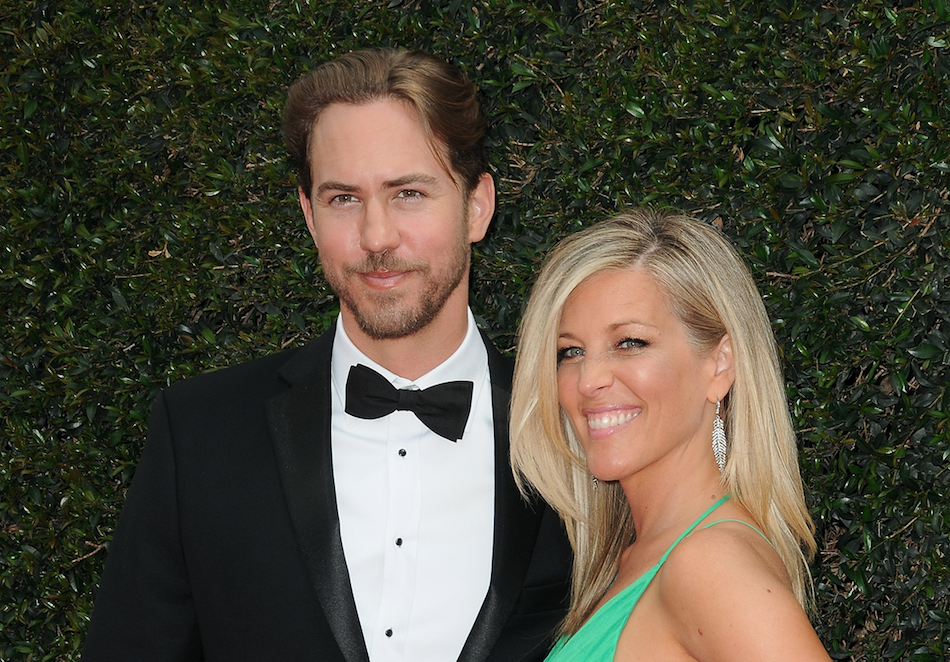
Lauren Wright shines in media, contributing to NewsNation since June 2024, where her breakdowns of electoral trends garner millions of views. Joint appearances with Ramsey on C-SPAN dissect Supreme Court decisions, blending their expertise.
In 2025, they keynoted the APSA conference, drawing 1,500 attendees. Their op-eds in The Atlantic advocate for ethical campaigning, influencing bipartisan bills.
These platforms amplify their voices, bridging academia and public discourse.
Looking ahead, Lauren Wright husband Wes Ramsey plan to co-author a book on digital democracy by 2027, targeting AI’s electoral role. Wright eyes a full professorship at Princeton, with Ramsey supporting her tenure dossier.
They envision expanding mentorship via online courses, reaching global audiences. Personal goals include traveling to archival sites in Europe for research, blending adventure with scholarship.
By 2030, they aim to establish a foundation for political science equity, ensuring their legacy endures.
Lauren Wright maintains a modest yet influential online presence, using platforms to share insights on current affairs. Her Twitter activity spikes during election cycles, with threads on voter suppression going viral.
| Platform | Username | Follower Count (2025) | Profile Focus |
| @LaurenAWright | 45,000 | Political analysis, book promotions, and academic updates | |
| lauren-a-wright-phd | 12,000 | Professional networking, job postings for mentees, and conference announcements | |
| laurenwrightphd | 8,500 | Behind-the-scenes academia life, family glimpses with Wes Ramsey, and motivational quotes |
Lauren Wright once turned down a White House internship to focus on her dissertation, a decision that led to her breakthrough publication on presidential messaging.
She and Wes Ramsey share a ritual of analyzing Sunday political shows over brunch, predicting headlines with uncanny accuracy.
Wright‘s hidden talent is playing the piano; she composed a short piece for their wedding reception, blending Chopin influences with policy metaphors.
A devoted runner, she completed the Princeton Half Marathon in 2024, dedicating it to women’s advancement in political science.
Her favorite book is The Second Sex by Simone de Beauvoir, which she credits for shaping her course on women and politics.
Lauren collects vintage campaign buttons, with a prized 1972 McGovern piece displayed in their study.
She and Ramsey volunteer at local literacy programs, reading political histories to high schoolers to spark civic interest.

Who is Lauren Wright’s husband?
Wes Ramsey, a political science professor at Wake Forest University, married Lauren on July 14, 2018. Their union blends academic passions, supporting each other’s research in public affairs.
How did Lauren Wright and Wes Ramsey meet?
They meet at a Georgetown seminar in the early 2010s, bonding over quantitative methods in political science. Professional collaboration evolved into romance, leading to co-authored works.
What is Lauren Wright’s profession?
Lauren Wright is an Associate Research Scholar at public affairs at Princeton, teaching on the presidency and women in politics. She’s authored books like Star Power and contributes to NewsNation.
Where did Lauren Wright study?
She graduated summa cum laude from Wake Forest University in political science, then earned a Ph.D. from Georgetown University, focusing on American politics and methodology.
Do Lauren Wright and her husband have children?
No, Lauren Wright husband Wes Ramsey prioritize their careers and pets, including a mini goldendoodle. They focus on mentorship as an extended family legacy.
What are some joint projects of Lauren Wright and Wes Ramsey?
The two political scientists co-authored a 2024 paper on polarization and advice on AI ethics. They keynoted APSA 2025, integrating their expertise in communication and data.
Has Lauren Wright collaborated with Jonathan Mummolo?
Yes, Lauren worked with Jonathan Mummolo on criminal justice research, contributing to a 2023 report influencing policy. Their partnership highlights interdisciplinary political science approaches.
The narrative of Lauren Wright husband Wes Ramsey weaves a tapestry of intellectual fervor, mutual support, and unwavering commitment, illuminating the profound possibilities within two political scientists united. From their serendipitous meet at Georgetown to the intimate vows on July 14, 2018, their journey exemplifies how shared passions in political science can fortify a marriage against academia’s tempests.
Wright‘s trailblazing at public affairs at Princeton, complemented by Ramsey’s quantitative prowess at Wake Forest University, not only advances scholarship but also inspires a new generation through mentorship and media engagement. As 2025 unfolds with fresh analyses on democratic resilience, their partnership stands as a beacon, proving that love and learning intertwined yield enduring impact.
In reflecting on their story, key elements emerge that define this remarkable duo:


The most beautiful porn stars of 2026 are redefining beauty...
Macron wife age difference is approximately 24 years, with Brigitte...