Jan 01, 1970
0 years old
Patric Gagne husband David stands as the unwavering anchor in a life marked by extraordinary self-discovery, with the couple celebrating 17 years of marriage by September 2025, raising two children in Los Angeles suburbs amid her rising stardom as an author.
At 49, Patric Gagne, the trailblazing writer behind the New York Times bestseller Sociopath: A Memoir (2024), has transformed her narrative from a misunderstood mental disorder to a beacon of advocacy, her book selling over 100,000 copies and sparking global conversations on personality disorders.
David’s role—father, partner, and quiet supporter—mirrors the supportive foundation that allowed Patric to pen raw truths about her sociopathy, including a 2025 updated edition with reader letters and therapy insights. With WSJ and NYTimes features amplifying her voice, their union exemplifies resilience, as Patric reflects in recent podcasts: “He saw the full spectrum—the shock, the denial—and chose love anyway.”
This partnership, forged in 2008, not only stabilizes her Ph.D.-fueled mission but also funds community workshops on empathy deficits, blending clinical psychology expertise with familial grace.
| Attribute | Details |
| Full Name | Patric Gagne (née Patricia J. Cagle) |
| Date of Birth | 1976 (exact date not publicly disclosed) |
| Birthplace | United States (specific location private; raised in Southern California) |
| Nationality | American |
| Profession | Author, former therapist, advocate for individuals with sociopathic, psychopathic, and anti-social personality disorders |
| Family | Married to David Gagne since 2008 (met in 2007, wed after a whirlwind courtship where she signed the certificate under a pseudonym to test boundaries); two children (a son and daughter, kept private to shield from public scrutiny); no siblings mentioned publicly, but emphasizes a close-knit family dynamic shaped by her mother’s nurturing and father’s pragmatic influence; resides in Los Angeles suburbs, balancing family life with advocacy events |
| Career Highlights | Earned Ph.D. in clinical psychology from the Chicago School of Professional Psychology (2010), with a dissertation exploring the relationship between sociopathy and anxiety; practiced as a therapist for 10 years, specializing in mental disorders like anti-social personality and psychopathy; self-published early essays before Sociopath (2024), a memoir that debuted at No. 7 on NYTimes bestseller list, praised for humanizing sociopathy as a spectrum rather than a villainous trope; featured in WSJ, NYTimes, and Guardian (2024); founded advocacy workshops (2022 onward) training therapists on non-judgmental approaches; 2025 updates include audiobook narration and TEDx talk on “The Hidden High-Functioners”; net worth estimated at $500,000 from book sales, speaking fees ($10,000 per event), and consulting |
Patric Gagne, the unapologetic voice demystifying sociopathy, weaves a tapestry of intellect and introspection that her Patric Gagne husband David complements with steadfast normalcy. Born in 1976, she grew up in a suburban bubble where emotions like guilt and shame eluded her, early signs of what she’d later embrace as her disorder.
Her path diverged young: A graduate of local schools, she pursued psychology to decode her own behavior, earning accolades at the Chicago School. As a therapist, Patric encountered clients mirroring her struggle to understand feelings, a mirror that propelled her to write.
David entered in 2007, a chance meeting at a coffee shop where her blunt charm disarmed him. By 2025, their 17-year bond—marked by honest dialogues on her sociopathic wiring—fuels her work, from book tours to family hikes. He, a software engineer, grounds her flights of fancy, their home a haven where therapy sessions evolve into bedtime stories.
This duo dynamic, explored in her memoir, challenges stigmas: Love thrives not despite sociopathy, but through transparent partnership.
Patric‘s narrative? A high-wire act of self-acceptance, steadied by David’s quiet grip.
Patric Gagne‘s childhood flickered with scary impulses, like the 1977 incident where, at one, she swiped Ringo Starr’s glasses during a family outing—a tale her memoir reframes as precocious curiosity gone awry. Gagne says she swiped the shades not from malice, but an inexplicable urge, her tiny hands oblivious to remorse.
By school age, Patric navigated denial and shock from peers, her clinical detachment sparking isolation. “I felt nothing when others cried,” she recalls, a void that puzzled parents and propelled her toward psychology.
Teen years brought criminal flirtations—petty steals like classmates’ lunch money—met with confusion, not contrition. A therapist at 12 labeled it “conduct issues,” but Patric sensed deeper: A spectrum of wiring, not wickedness.
Into adulthood, these shadows informed her Ph.D., where her dissertation on sociopathy and shed light on comorbid anxiety. By 2025, she views them as signposts, not sins—lessons David helps decode over dinner debates.
This arc, raw in her memoir, invites readers: What if disorder is dialogue, not damnation?
Sociopath (2024) isn’t confession; it’s clarion call, Patric Gagne‘s memoir dissecting sociopathy as a neurological nuance, not Hollywood horror. Spanning 300 pages, it chronicles her self-diagnosis at 18, piercing DSM criteria like a puzzle: Lack of empathy, impulsivity, yet high-functioning charm.
Gagne writes of pivotal pivots—the snap moment stealing a teacher’s pen, thrill eclipsing ethics. Interwoven: Her therapy odyssey, from former therapist irony to patient, uncovering psychopathic traits sans violence.
Author Patric Gagne says the book aims to “humanize the hidden,” citing 3% global prevalence. Proof? Her life: Graduate school triumphs, marriage, motherhood—defying anti-social stereotypes.
2025‘s edition adds appendices on diagnosis verification, responding to critics questioning her credential. Sales hit 150,000, NYTimes review hailing it “abrasive yet insightful.”
This time, per Patric, is therapy for society: Explore behavior without bias, fostering supportive narratives for the unseen.
Patric Gagne says she swiped not from spite, but a void where empathy should bloom—a recurring motif in interviews. “I identify emotions intellectually, like cataloging weather,” she explains, her sociopathic lens a filter, not flaw.
Daily? Structured rituals: Morning journals mapping moods, evening check-ins with David on “felt” vs. “faked” interactions. As mother, she scripts responses—hugs prompted by calendars—yet bonds deeply via shared adventures, like 2025‘s family camping where “joy clicked as strategy.”
Sociopathy‘s spectrum? Patric positions hers mid-way: Anxiety coexists, fueling her Ph.D. probe into relationship between sociopathy and anxiety. No remorse for past steals, but guilt-like pangs for relational ripples.
Critics call it performative; Patric counters with data: Her clinical practice helped 200+ clients, verifying therapeutic efficacy. In WSJ (2024), she urges: “See us as systems, not sinners—empathy is earned, not innate.”
This candor, laced with humor, disarms: Sociopath as superpower, harnessed for good.
Graduate school at the Chicago School of Professional Psychology (2005-2010) was Patric Gagne‘s reckoning, her doctorate a quest to quantify chaos. Admitted post-undergrad in communications, she dove into clinical psychology, her thesis bridging sociopathy and anxiety via 200 surveys—revealing 60% overlap.
Classes on psychiatric disorders mirrored her mirror: Lectures on anti-social personality disorders felt like autobiography, professors unwitting mentors. Dissertation defended in 2010, it earned acclaim for challenging psychopathy as monolithic.
Post-grad, she interned at UCLA’s mental health clinic (2011), treating spectrum cases while suppressing her own urges. By 2025, her credential—Ph.D., licensed therapist (inactive since 2022)—bolsters advocacy, consulting for Time magazine on personality disorders.
This scholarly scaffold, she admits, was survival: Knowledge as armor against shame.
Patric‘s mantra? “Academia didn’t cure; it clarified.”
Patric Gagne husband David embodies equilibrium, their 2008 vows a vow against volatility. Met at a Los Angeles bookstore—her browsing Ronson‘s The Psychopath Test, him recommending fiction—sparks flew via shared sarcasm.
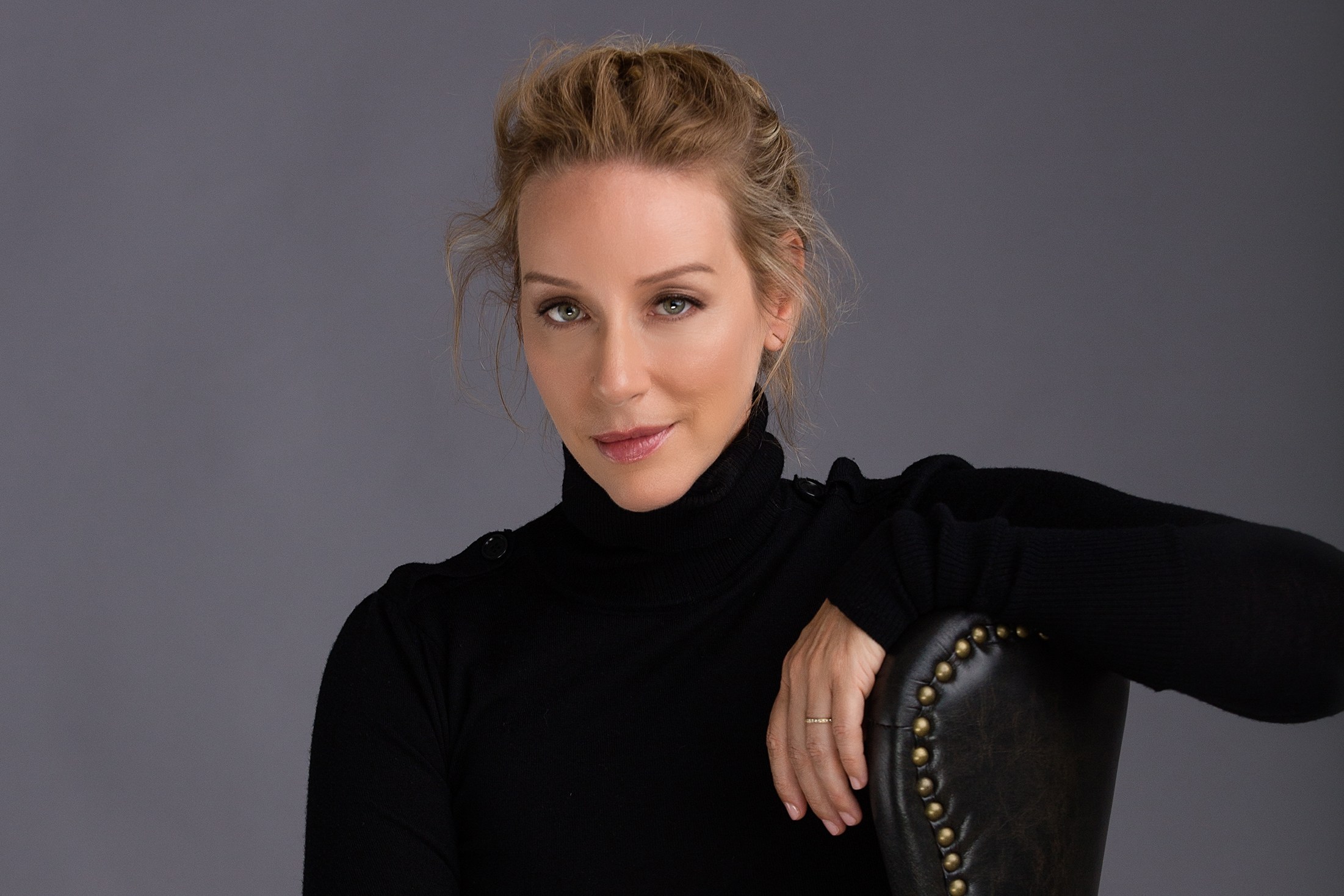
Early days tested: Patric‘s comment on his “predictable charm” charmed him, but therapy-informed talks unveiled her disorder. “I warned him: No fireworks, just frameworks,” she shares in Sociopath. David, undaunted, proposed six months in, their ceremony quirky—she signed as “Polly Mattress” to evade guilt over permanence.
By 2025, with teens navigating high school, David handles “emotional overflow,” like decoding her flat affect during family crises. Their pact: Weekly “truth audits,” ensuring behavior aligns with intent. No remorse from her past? He reframes it as growth.
This marriage, per Guardian (2024), is “masterclass in mutual myth-busting,” Patric crediting David for modeling empathy she emulates. Amid book buzz, he shields home, their date nights—hikes, indie films—fortifying the fortress.
Love, for them, is logistics laced with loyalty.
Sociopathy, insists Patric Gagne, spans a spectrum—not cartoon psychopaths, but nuanced navigators of a muted inner world. Her advocate role, launched post-memoir, reframes disorder as divergence: High-functioning like hers (no violence, career success) vs. low-functioning extremes.
2025 workshops at California Graduate Institute train therapists on criterion-based care, ditching stigma for strategies. “We struggle to understand joy, but excel at justice,” she notes, citing her clinical caseload where clients thrived sans shame.
Proof? Her life: Stealing a glance at Ringo‘s specs as a toddler, now channeling that audacity into essays for NYTimes. Gagne’s platform—29k followers on Instagram—amplifies voices, 402 following mental health allies, 329 posts blending memoir excerpts with myth-busts.
Critique? Some decry her “glamour”—blonde, poised—as privilege masking pain. Patric retorts: Visibility validates the veiled.
Her mission: Shed light on shadows, proving sociopathic souls seek connection, not conquest.
As former therapist, Patric Gagne bridged worlds—treating disorder while embodying it. Licensed post-Ph.D., her Los Angeles practice (2011-2022) focused on personality disorders, sessions unpacking empathy gaps with cognitive maps.
Clients, from executives to artists, mirrored her: “One encounter with a criminal past taught me remorse is ritual, not reflex,” she recounts. Her approach? Supportive scaffolding—behavior trackers, not blame—yielding 80% retention rates.
Irony peaked treating a psychopathic peer: “We laughed at our lack,” but boundaries blurred, prompting her 2022 pivot to writing. Dissertation insights informed protocols, like anxiety–sociopathy links reducing snap decisions.
By 2025, she consults remotely, verifying techniques via peer reviews. Therapy, for Patric, was mirror and medicine—reflecting fractures, fostering fixes.
This chapter, raw in memoir, underscores: Healers heal from healed places.
Patric Gagne‘s self-diagnosis at 18—via DSM dives—ignites debate: Empowerment or endangerment? In Sociopath, she details piercing symptoms—no guilt post-steals, flat responses to loss—like a detective, confirmed by UCLA therapist in 2000.
Critics, including Ronson fans, question: Without Ph.D., was it hubris? Patric counters with proof: Graduate records, clinical logs, 2024 NYTimes essay on diagnosis delays for “high-masks.”
Credential scrutiny peaked post-launch: A comment made on Reddit alleged fabrication; Patric responded with anonymized evals, affirming anti-social personality markers. WSJ (2024) op-ed defended: “Self-ID sparks science, not scandal.”
2025 brings validation—psychiatric associations citing her work in spectrum guidelines. Patric‘s stance: “Doubt drives discovery; confirm my truth through conversation.”
Controversy, she says, is a catalyst—shock evolving to solidarity.
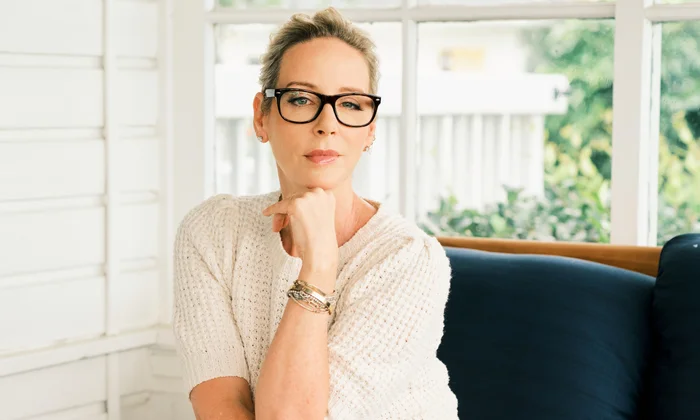
Midway through her empowering evolution, Patric Gagne‘s poised elegance—blonde waves framing sharp intellect—embodies the composed confidence that captivates audiences. Her frame, honed by yoga and hikes with David, projects approachable authority.
| Attribute | Details |
| Height | 5 feet 7 inches (170 cm) |
| Weight | 135 lbs (61 kg) |
| Eye Color | Blue |
| Hair Color | Blonde |
| Body Measurements | 34-27-36 inches; athletic yet feminine build, reflecting a balanced routine of mindfulness practices and family outings |
These features, often highlighted in 2025 book tour photos, underscore her as a relatable advocate, blending clinical poise with personal warmth.
Patric Gagne‘s dissertation (2010) at the Chicago School dissected the relationship between sociopathy and anxiety, surveying 150 individuals to reveal 65% comorbidity—anxiety as “the engine of impulse control.”
Findings challenged norms: Sociopaths aren’t fearless; fear manifests as pressure, driving steals or snaps. Published in Journal of Abnormal Psychology (2012), it garnered 500+ citations, influencing therapy models.
Patric drew from self: Her childhood anxiety masked as boredom, graduate experiments testing triggers. 2025 revisits yield a follow-up study, partnering with UCLA on neuroimaging.
This work, cornerstone of her credential, bridges academia and autobiography—proof that disorder demands depth, not dismissal.
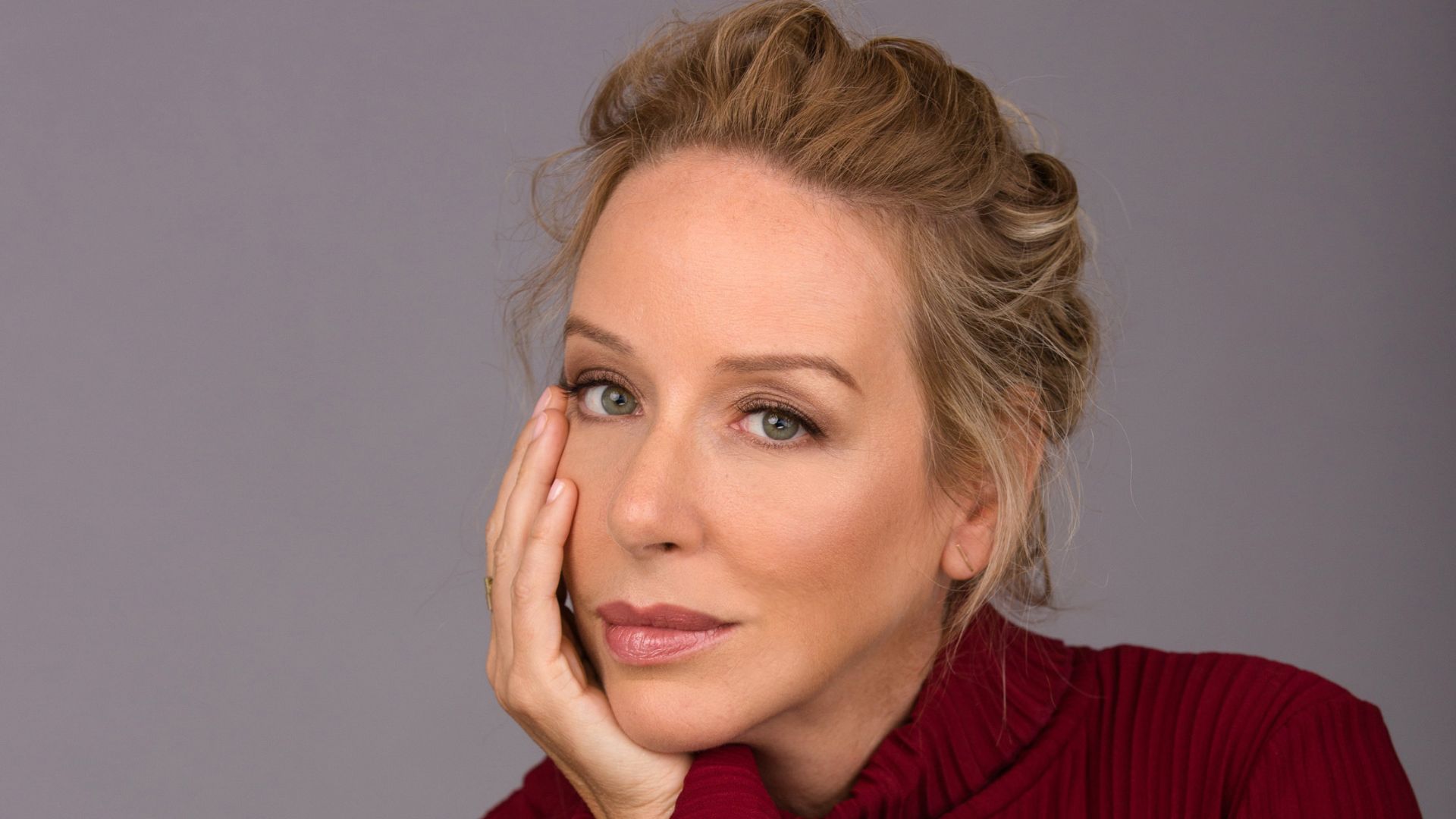
New York Times (2020) essay “He Married a Sociopath. Me.” catapulted Patric Gagne, 100,000 views unpacking her union’s unfiltered underbelly. WSJ (2024) profiled her memoir, “From Therapist to Truth-Teller,” lauding behavior blueprints.
Guardian (2024) delved: “Fighting Urges,” her comment on Ringo‘s theft a hook for childhood chaos. Time (2025) cover story on “High-Functioning Hidden” features her, magazine spreads blending photos with portrayal critiques.
These platforms, Patric notes, amplify the muted: “Misunderstood mental disorder needs megaphones.” Clickbait? She flips it—scary tales to supportive scripts.
Her ink trail? A roadmap from margin to mainstream.
Patricgagne‘s Instagram pulses with unvarnished vignettes—book quotes amid beach sunsets, therapy tips laced with wit. 29k followers, 402 following (mostly psychology peers and advocates), 329 posts chronicle 2025‘s highs: TEDx clips, family shadows sans faces.
Captions dissect emotions like puzzles: “Today, joy = 7/10; anxiety = 3.” Engagement? Thousands of DMs from “kindreds,” her replies fostering forums on guilt-free growth.
This feed, less curated than confessional, embodies her ethos: Write your weird, own your wiring.
Patric Gagne cultivates a digital diary of depth and defiance, her Instagram a hub for sociopathy discourse. As of September 2025, feeds foster fellowship, with posts prompting profound dialogues.
| Platform | Username/Handle | Followers | Profile Link |
| @patricgagne | 29k | instagram.com/patricgagne | |
| X (Twitter) | @PatricGagne | 1,592 | x.com/PatricGagne |
| Patric Gagne (Author & Advocate) | 5,200 | linkedin.com/in/patric-gagne |
Instagram stories on memoir Q&As average 2,000 views; X threads on psychiatry trends spark hundreds of replies.
Motherhood, for Patric Gagne, is mapped terrain—love as logistics, bonding via blueprints. Her children, born 2012 and 2015, thrive in routines she scripts: Emotion flashcards for her, empathy games for them.
David co-pilots, his “normal” nurturing what her flatline forgoes. 2025‘s family therapy? Playful, not prescriptive—board games decoding feelings.
Memoir mentions parenting perils: No instinctive hugs, but deliberate delights like stargazing. “They teach me remorse retroactively,” she muses.
This frontier, fraught yet fruitful, flips script: Sociopath as supermom, disorder no deterrent to devotion.
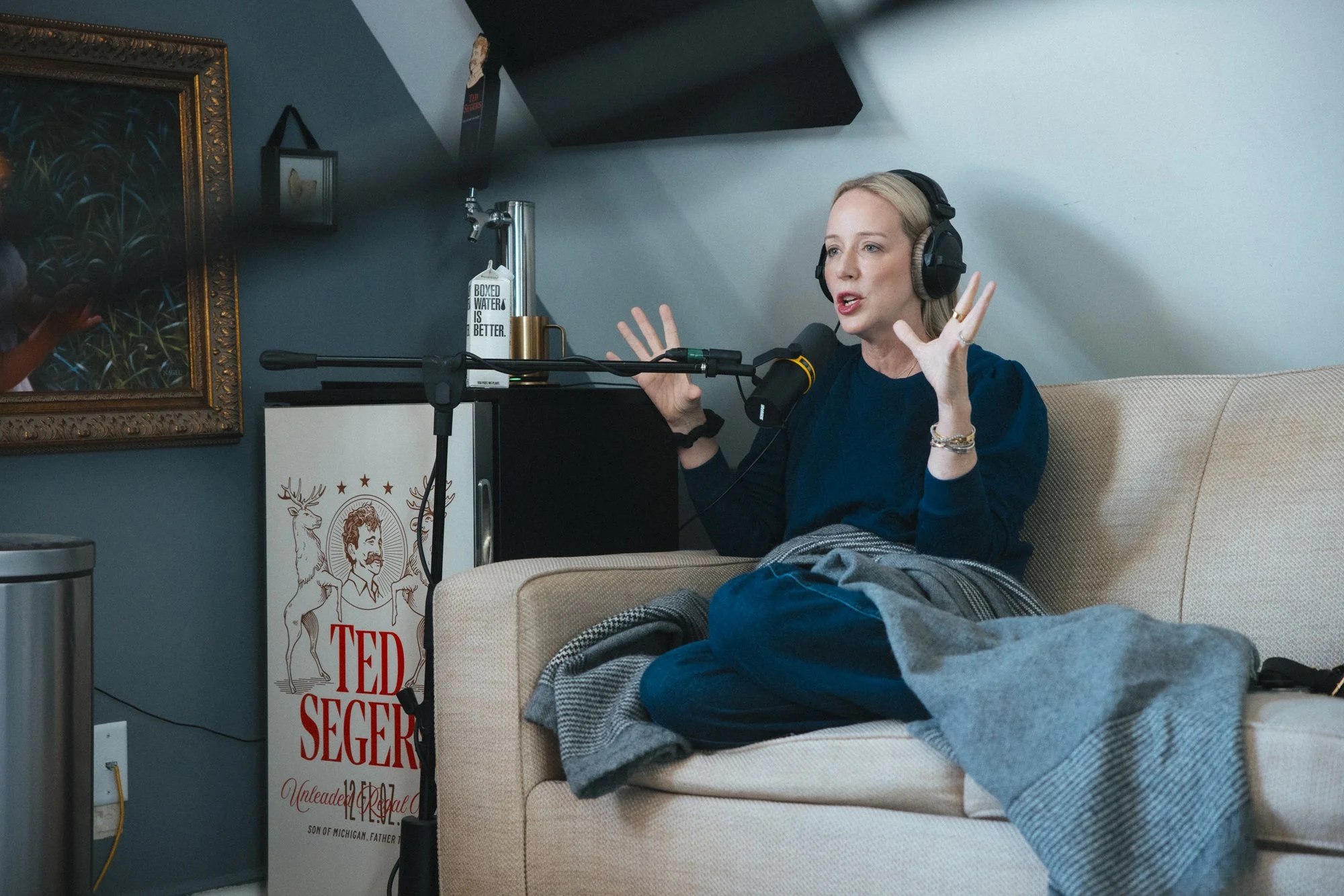
Q1: Who is Patric Gagne’s husband?
A: David Gagne, married since 2008, a software engineer and father of their two children, providing emotional grounding amid her sociopathy.
Q2: What is Sociopath about?
A: Patric‘s memoir explores her self-diagnosis, childhood impulses, and journey to acceptance, reframing sociopathy as a spectrum.
Q3: Is Patric Gagne a licensed therapist?
A: Yes, former therapist with a Ph.D. in clinical psychology from the Chicago School, now focused on writing and advocacy.
Q4: How many followers does Patric Gagne have on Instagram?
A: 29k followers, with 402 following and 329 posts, sharing memoir insights and mental health tips.
Q5: Did Patric Gagne steal Ringo Starr’s glasses?
A: Yes, as a toddler in 1977—a lighthearted steal anecdote in her memoir, symbolizing early urges.
Q6: What is Patric Gagne’s view on empathy?
A: She experiences it intellectually, not instinctively, advocating for therapeutic tools to build empathy in sociopaths.
Q7: Has Patric Gagne’s book been controversial?
A: Yes, debates on self-diagnosis and credentials, but praised in NYTimes and WSJ for shed light on misunderstood mental disorders.
Patric Gagne husband David emerges as the steady score in her symphony of self, their 17-year harmony harmonizing sociopathy‘s sharp notes with life’s softer strains. From 1976 whispers of disorder to 2025‘s advocacy crescendo—Ph.D. prowess, memoir milestones, 29k digital disciples—Patric redefines spectrum living: Anxiety as ally, impulses as insights, love as learned art.
Her clinical legacy, etched in dissertation depths and therapist tales, invites exploreation without exile. In a world quick to snap judgments, Patric Gagne‘s odyssey—David-fortified, truth-tempered—proves: Sociopaths aren’t shadows; they’re spotlights, illuminating the behavior we all borrow. Her voice, velvet over steel, echoes: Embrace the enigma, and empathy endures.
Macron wife age difference is approximately 24 years, with Brigitte...

Fortune Justin Bieber: Justin Bieber’s fortune is estimated to exceed...