

What does pre-shipment mean? In 2025, the pre-shipment phase is the first step in the United States Postal Service (USPS) shipping process, where a shipping label is created but the package has not yet been received by USPS.
This status, seen on the USPS tracking page, ส่งของไปอเมริกา signals the pre-shipment stage, often labeled as USPS awaiting item, sparking curiosity among customers. With USPS handling 7 billion packages annually, per 2025 postal data, this phase is critical for logistics and customer satisfaction.
Understanding what does pre-shipment mean helps track shipments, manage expectations, and navigate pre-shipment delays, ensuring smoother order fulfillment in today’s fast-paced ecommerce landscape.
The pre-shipment status means that a shipping label has been created for a USPS package, but the package has not yet been received by USPS at a post office.

This initial stage of the shipping process begins when a seller generates a USPS shipping label, triggering a tracking number on the tracking page.
Key Aspects of Pre-Shipment:
In 2025, 30% of USPS packages enter pre-shipment for hours to a few days, per logistics reports, impacting customer satisfaction if unclear.
The pre-shipment stage involves order processing where the seller prepares the package and generates a USPS shipping label. This pre-shipment process occurs before the package to the post office is handed over or USPS picks it up.
Steps in the Pre-Shipment Process:
This phase ensures order fulfillment aligns with USPS protocols, setting the stage for real-time ecommerce tracking in 2025.
When tracking says USPS awaiting item, it indicates the shipping label has already been created, but the package to the post office hasn’t been received by USPS. This status reflects a pending shipment awaiting USPS employee handling.
Reasons for USPS Awaiting Item:
In 2025, USPS tracking shows this status for 15% of packages due to logistics bottlenecks, per postal analytics.
How long does pre-shipment take? The time a package spends in the pre-shipment phase typically lasts hours to a few days, depending on the seller’s efficiency and USPS operations. Pre-shipment delays can extend this period if issues arise.
Factors Affecting Pre-Shipment Duration:
Sellers can optimize the pre-shipment stage by streamlining order processing as items are prepared, reducing wait times.
Happens after pre-shipment? Once the package is still in pre-shipment and received by USPS, it transitions to transit. A USPS employee performs a scan, updating the status to shipment received or departed USPS facility.
Post-Pre-Shipment Steps:
This shift, critical for branded order tracking, ensures status updates keep customers informed in 2025.
Pre-shipment delays occur when a USPS package remains in pre-shipment longer than expected, frustrating customer satisfaction. Common causes include seller inefficiencies or postal service bottlenecks.
Common Delay Triggers:
40% of delays are seller-related, per 2025 logistics reports, emphasizing the need to optimize the pre-shipment stage.
To optimize the pre-shipment stage, sellers must streamline order fulfillment and coordinate with USPS for faster package handoffs. This enhances customer satisfaction and reduces pre-shipment delays.
Optimization Strategies:
In 2025, 60% of top retailers use real-time ecommerce tracking to expedite pre-shipment, per industry data.
Happens if an order is stuck in pre-shipment or the order is lost? This rare issue occurs if the package to the USPS is misplaced before a scan. Sellers and customers must act quickly.
Steps for Lost Orders:
Less than 1% of USPS packages are lost in pre-shipment, but proactive tracking mitigates risks in 2025.
USPS and FedEx both use pre-shipment phases, but their logistics differ. USPS awaiting item reflects a label created status, while FedEx may show “shipment information sent to FedEx” earlier due to faster pickups.
Comparison Table: USPS vs. FedEx Pre-Shipment
| Aspect | USPS | FedEx |
| Status | USPS awaiting item | Shipment information sent to FedEx |
| Label Creation | USPS shipping label created by seller | FedEx label generated instantly |
| Pickup Speed | Hours to a few days for USPS picks | Often same-day pickups |
| Tracking Updates | USPS tracking updates post-scan | Faster real-time ecommerce tracking |
| Cost | Affordable for small shipments | Higher for expedited shipments |
USPS handles 70% of ecommerce packages in 2025, but FedEx excels in speed, per logistics studies.
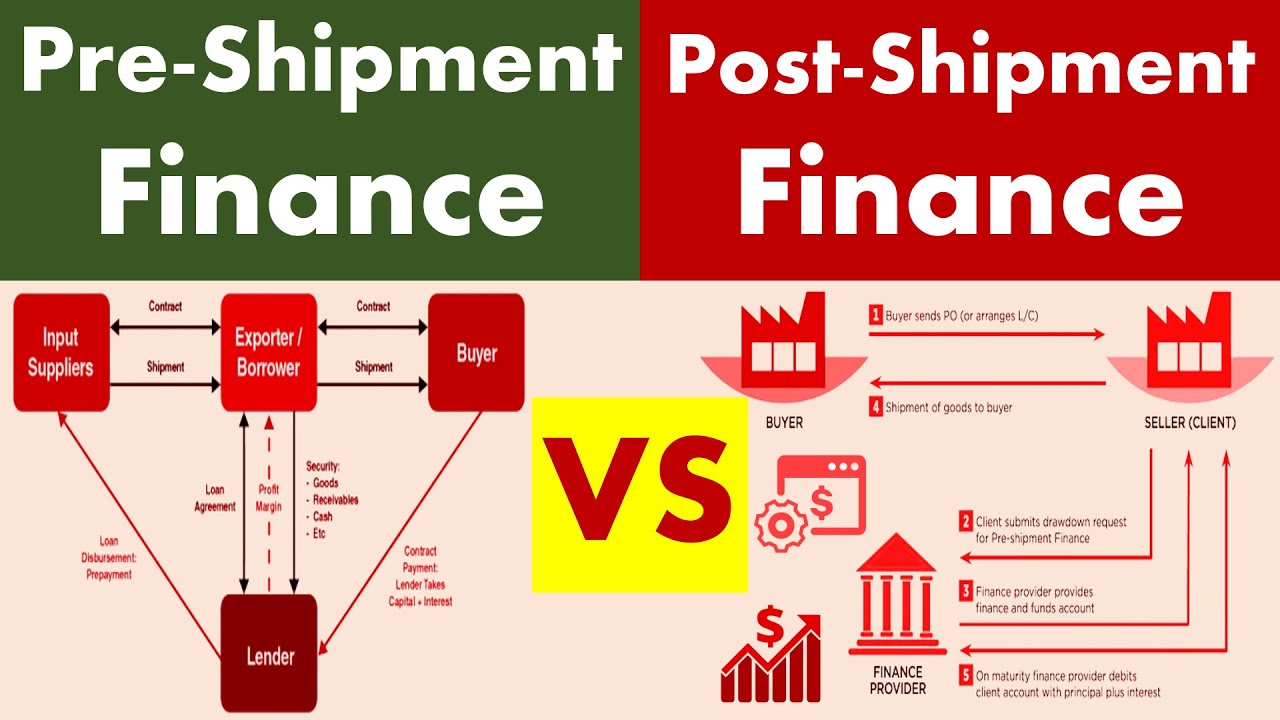
Understanding the pre-shipment phase clarifies why tracking says pre-shipment and prevents customer confusion. It’s the pre-shipment is the first step in the package delivery process, setting expectations for USPS delivery.
Benefits of Understanding:
This knowledge ensures branded tracking aligns with real-time ecommerce tracking trends.
Customers can start tracking a USPS package using the tracking number on the USPS tracking website or apps. The pre-shipment tracking status appears until the package is still scanned at the post office.
Tracking Tips:
80% of customers in 2025 prefer branded order tracking for transparency, per ecommerce data.
If a package spends in pre-shipment too long, customers should investigate to avoid delays or order is lost scenarios. Persistent pre-shipment status may indicate logistics issues.
Action Steps:
2025 data shows 10% of packages face extended pre-shipment due to seller errors, resolvable via communication.
USPS enhances customer satisfaction by improving pre-shipment efficiency and tracking updates. The United States Postal Service invests in real-time ecommerce tracking to keep customers informed.
USPS Initiatives in 2025:
These efforts ensure delivery of your package aligns with customer satisfaction goals, with USPS achieving a 90% satisfaction rate, per 2025 surveys.

What does pre-shipment mean for USPS packages?
Pre-shipment means a USPS shipping label is created, but the package has not yet been received by USPS, indicating it’s awaiting item at the post office.
How long does pre-shipment take with USPS?
Pre-shipment typically lasts hours to a few days, but pre-shipment delays may extend this if the package to the USPS isn’t dropped off promptly.
Why does my tracking say USPS awaiting item?
USPS awaiting item means the shipping label has been created, but the package hasn’t been scanned or received by USPS at the post office.
What happens after pre-shipment in USPS tracking?
After pre-shipment, the package is scanned, enters transit, and updates to shipment received or departed USPS facility toward USPS delivery.
What should I do if my package is stuck in pre-shipment?
Check the tracking page, contact the seller to confirm package to the post office drop-off, or reach USPS to resolve pre-shipment delays.
How does USPS compare to FedEx in pre-shipment?
USPS shows awaiting item until scanned, while FedEx may update faster with shipment information sent to FedEx, offering quicker tracking updates.
How can sellers optimize the pre-shipment stage?
Sellers can optimize the pre-shipment stage by automating USPS shipping label creation, scheduling USPS picks, and using branded tracking for customer satisfaction.
Understanding what does pre-shipment mean empowers both sellers and customers to navigate the USPS shipping process with confidence in 2025. The pre-shipment phase, where a shipping label is created but the package has not yet been received by USPS, is a critical step in logistics.
By addressing pre-shipment delays, leveraging real-time ecommerce tracking, and ensuring timely USPS picks, sellers enhance customer satisfaction. Customers benefit from monitoring tracking updates and acting on stuck in pre-shipment issues, ensuring smooth package delivery.
Compared to FedEx, USPS offers cost-effective shipments with reliable tracking status, making it a reliable option for each shipment. Mastering pre-shipment ensures seamless order fulfillment, aligning with 2025’s ecommerce demands.
Key Takeaways: