Jan 01, 1970
0 years old
What does CVR mean in comic grading? The term CVR stands for “Cover” and is used to specify the front artwork or variant of a comic book. In comic collecting and grading, CVR is often followed by letters, such as CVR A, CVR B, or CVR C, to indicate different cover versions or special editions of the same issue.
Understanding CVR is essential for collectors, as variant covers can impact a comic’s rarity, value, and appeal. Comic grading services, such as CGC, include CVR details to help buyers and sellers identify the exact edition of a comic. Knowing how to interpret CVR ensures you can make informed decisions when buying, selling, or trading comics.
CVR is a shorthand acronym frequently used in comic book grading to refer specifically to the “cover” of the comic book. While it might seem obvious to some, using CVR helps clarify discussions around grading by pinpointing whether a defect or feature is on the front cover or back cover, which can impact the overall grade of the comic.
In the context of CGC, which is the most trusted grading company in the hobby, the term CVR becomes especially useful because their meticulous grading scale evaluates various parts of the comic separately — including the front cover, interior pages, back cover, and spine.
This precision allows collectors to understand how defects on the cover can influence the comic book’s grade, whether it’s a prized copy of The Amazing Spider-Man or a highly desirable first appearance of the Incredible Hulk.
The cover of a comic book is the primary aspect that collectors assess when determining the grade. CGC and other grading services look for any sign of wear, such as creases, center creases, color flecks, or discoloration that could significantly reduce the grade.
A comic’s cover sets the tone for its collectible value because it is the first thing buyers see. Even if the interior pages are in mint condition, a visible defect on the cover like a pressed crease or a staple replacement can lead to a lower CGC grade.
The structural integrity of the cover also affects its legitimacy as an original print and can change the market demand, particularly for grail books or limited print runs.
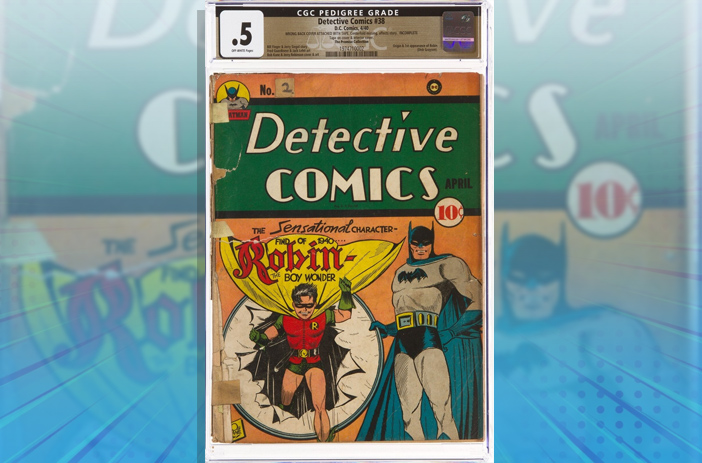
The CGC label on a slabbed comic book provides vital, clear information about the comic’s condition, including the CVR’s quality. On the label, grades range from 0.5 (poor condition) up to 9.9 (gem mint condition), with specific notes on any defects such as minor imperfections or evidence of repair.
Additionally, the “qualified label” or “restored label” will indicate if the front cover (CVR) has undergone any restoration, like a pressed crease or recoloring. These indications help collectors understand whether the comic book is original condition or has had alterations affecting its fair market value.
For instance, a slabbed Amazing Fantasy #15 with a 9.2 CGC grade and no qualified label is far more valuable than a qualified grade with a visible cover defect.
When evaluating comic book covers, certain defects are much more common and seriously impact the grade. These include creases or center creases, staple replacement, discoloration, color flecks, and pressed into the cover areas that may have structural damage.
Collectors should be vigilant because even minor imperfections on the cover can cause a downgrade. For example, a subtle crease might reduce a high grade of 9.0 to a 6.0 or lower. Identifying such defects is crucial with raw comics before deciding to send them to a CGC grading service or purchase slabbed books on the secondary market.
Print run details are essential when considering the cover of a comic book because limited print runs, newsstand editions, or variant covers affect rarity and desirability. For example, a first appearance comic like Incredible Hulk #181 with a known print run may have subtle cover variations that distinguish it from other editions.
Collectors who understand which specific print run a comic belongs to can better anticipate its market value and the significance of its CVR. Collectible comics printed in small quantities with unique covers can command top dollar, especially if graded high and slabbed with a clean CGC label.
Comic book grading is an essential part of the collecting world, helping determine a comic’s condition, value, and marketability. Whether you’re a casual collector or an investor, understanding how comic grading works ensures that you can make informed buying or selling decisions.
The main purpose of comic grading is to assess the physical condition of a comic book. A higher grade generally indicates better condition and higher value, while lower grades reflect wear and damage. Grading helps standardize comics across the industry, allowing collectors to compare issues more easily and trade or sell them with confidence.
Several factors are considered when grading a comic:
Cover Condition: Scratches, creases, tears, and discoloration affect the grade. Variant covers (CVR A, CVR B, etc.) are also noted.
Page Quality: The color, brittleness, and presence of stains or foxing impact grading.
Spine and Binding: Spine wear, splits, or stress marks are important considerations.
Corners and Edges: Rounded or damaged corners can lower the grade.
Overall Eye Appeal: The general aesthetic impression of the comic is also factored in.
Comic books are typically graded on a 1 to 10 scale, with decimals for precision:
10.0 – Gem Mint: Perfect condition, virtually flawless.
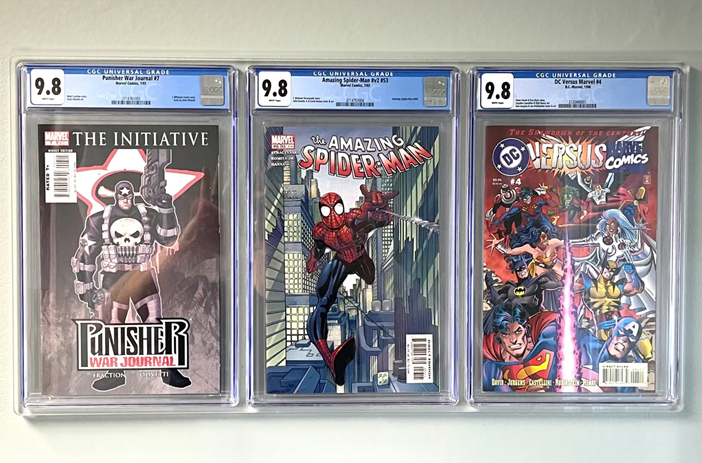
9.8 – Near Mint/Mint: Minor imperfections, high-quality collectible.
9.0 – Very Fine/Near Mint (VF/NM): Small defects, still highly desirable.
6.0 – Fine (FN): Noticeable wear, creases, or minor damage.
4.0 – Very Good (VG): Significant wear, spine damage, or other flaws.
1.0 – Poor (PR): Severe damage, heavily worn or torn.
Organizations like CGC (Certified Guaranty Company) professionally grade comics, encapsulate them in protective cases, and assign official grades for resale and insurance purposes.
CovrPrice is a specialized platform that tracks recent sales data and offers up-to-date fair market values for comic books, focusing heavily on the cover variant and CGC graded sales.
If you want to understand how the cover condition affects a comic’s worth, CovrPrice is an excellent resource. It allows users to see complete records of both slabbed and raw comics sold in the market, linking the grade of a comic with specific cover variants.
For example, a CovrPrice search for Amazing Spider-Man variant covers will reveal which ones are most sought after and how their grades influence prices.
Using digital tools like CLZ (Comic Library Zen) and Comic Connect helps collectors verify the authenticity of a comic book’s cover before making a purchase or submitting comics for grading.
CLZ offers an extensive database where collectors can track the grade, type of comic book, and cover variant for their entire series collections. Comic Connect, on the other hand, provides marketplaces that include detailed photos and condition reports for slabbed comics.
Together, these tools assist collectors in confirming whether a cover is original, restored, or a variant that might impact the grade or value.
Raw comics refer to ungraded comics that have not been slabbed by services like CGC. The cover condition in raw comics can be difficult to assess with precision because there is no official grading scale applied.
Slabbed comics, however, come with a CGC label and a grade that reflects the book’s entire condition, including the cover. When a comic is slabbed, the type of plastic encapsulation and certification ensures the cover’s quality is preserved and verified.
Collectors often choose to buy or sell slabbed comics because the grade certified on the CGC label will usually command a higher price than raw comics with unknown or uncertain cover conditions.
Variant covers are alternate covers released in a limited print run, often featuring unique artwork or different coloring. These covers can frequently drive up the comic’s desirability, especially if they are part of a collectible series or represent a significant first appearance.
Identifying variant covers correctly matters during comic book storage and trade, as variant covers are often worth more or less than standard prints.
Collectors use CGC and databases like Overstreet to identify and verify these variants, as even a subtle difference in the binding or print technique on the cover affects both the CGC grade and fair market value.
Qualified labels on CGC graded comics are issued when there is a significant defect, such as evidence of repair, restoration, or binding issues detected on the cover or other areas.
A qualified grade often indicates a structural integrity problem or front cover damage that CGC cannot ignore in their grading process. For collectors, qualified labels usually mean a notable reduction in value compared to a similar comic book with an original condition CGC grade.
Even if the comic appears high grade like 8.0 or 9.0, the presence of a qualified label regarding the cover’s condition often scares off buyers looking for mint condition collectible books.
What is CVR in comics?
CVR stands for “Cover”, referring to the front illustration or artwork of a comic book.
What does CVR stand for in comics?
In comics, CVR = Cover, often used in listings, sales, or grading notes to indicate the cover type or variant.
Is a 9.0 in comics very good?
Yes. A 9.0 grade (on a 10-point scale from CGC or other grading systems) is considered Very Fine (VF), meaning the comic is in excellent condition with minor flaws.
What does TP stand for in comics?
TP stands for Trade Paperback, a collection of multiple comic issues compiled into one book, often with additional bonus content.
What is the full meaning of CVR?
The full meaning is “Cover”, specifying the artwork or front page of a comic book, sometimes used for variant covers labeled CVR A, CVR B, etc.
What is a CBR comic?
CBR can refer to Comic Book Resources, a popular comics website, but in digital formats, it’s also a .cbr file, a compressed archive used for digital comic reading.
What is a CVR?
A CVR is a comic’s cover, which can be a standard cover, a variant cover, or a special edition cover. Collectors often distinguish between different CVRs.
What is a FN grade comic?
FN stands for Fine, a comic book grading that usually ranges around 6.0–6.5 on a 10-point scale. It indicates a comic in decent condition but with noticeable wear, creases, or minor defects.
CVR means “cover” and is a crucial aspect in assessing the comic book’s grade and collectible value.
The condition of the front cover heavily influences the grade of a comic on the CGC grading scale.
CGC labels provide transparency about the cover’s condition, including any restoration or defects.
Be aware of typical cover defects such as creases, discoloration, and staple replacements.
Print run information can help identify rare or variant covers that affect value.
Platforms like CovrPrice and CLZ are valuable tools for researching covers and their market values.
Recognize the difference in cover condition and protection between raw comics and slabbed comics.
Spotting variant covers properly is essential since they are often highly desirable and collectible.
A qualified label spot on the CGC label can significantly affect the perceived value of a comic’s cover.
Understanding these factors improves your confidence in comic book collecting and making smart buying or grading decisions.
Mastering the concept of CVR and cover identification ensures you preserve not only the beauty and history of comic books but also maximize their potential value in your growing collection.
In conclusion, CVR in comic grading stands for “Cover” and is an important designation for collectors and sellers. It typically appears in listings to specify the type of cover a comic book has, such as CVR A, CVR B, or a variant cover.
Understanding CVR is crucial because covers can significantly impact a comic’s collectability, rarity, and value. When combined with a comic’s grade, such as NM (Near Mint) or FN (Fine), knowing the CVR type helps buyers make informed decisions.
Whether you are collecting for investment or personal enjoyment, being familiar with CVR terminology ensures you can accurately identify and evaluate comic books in the market.

Macron wife age difference is approximately 24 years, with Brigitte...

Fortune Justin Bieber: Justin Bieber’s fortune is estimated to exceed...