
Quitting smoking is one of the most beneficial decisions a person can make for their health. However, the process is often challenging due to nicotine addiction, habitual behaviors, and psychological factors tied to smoking. In recent years, nicotine pouches have emerged as a popular alternative, offering smokers a way to satisfy their nicotine cravings without the harmful effects of combustible tobacco. As awareness grows, many smokers are considering making the switch, and understanding the best approach to transition can greatly improve success rates.
Nicotine pouches provide a smokeless, tobacco-free delivery method that is discreet, convenient, and generally less harmful than traditional cigarettes. Choosing the best nicotine pouches and adopting effective transition strategies can help minimize withdrawal symptoms, reduce exposure to toxic chemicals, and eventually lead to a healthier lifestyle.
This article explores the best practices for transitioning from smoking to using nicotine pouches, highlighting how to choose the right products, manage cravings, and maintain long-term success.
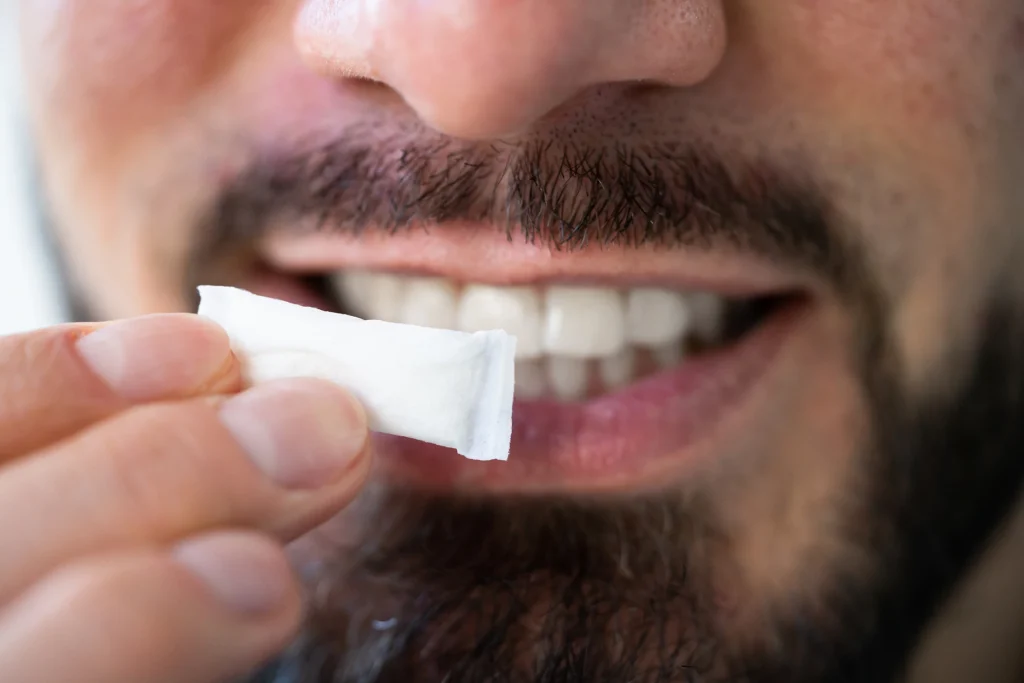
Before diving into transition strategies, it is important to understand what nicotine pouches are. Unlike traditional smokeless tobacco products such as snus or chewing tobacco, nicotine pouches contain nicotine extracted from the tobacco plant but contain no actual tobacco leaves. They come in small, discreet pouches placed between the gum and lip, where nicotine is absorbed through the oral mucosa.
This delivery system eliminates the harmful tar, carcinogens, and toxins associated with smoking and tobacco chewing, while still providing nicotine’s stimulating effects. Nicotine pouches come in a variety of flavors, nicotine strengths, and formulations, allowing users to customize their experience.
The growing variety and quality of best nicotine pouches make them an appealing option for smokers looking to reduce harm while managing cravings.
Smoking cigarettes introduces thousands of toxic chemicals into the lungs and bloodstream, leading to numerous health risks including cancer, cardiovascular disease, and respiratory illnesses. Nicotine pouches, by comparison, avoid combustion altogether, which significantly reduces exposure to harmful substances.
Switching to nicotine pouches can reduce lung irritation, improve breath and oral health, and minimize the risks associated with secondhand smoke. Additionally, nicotine pouches do not produce ash or smoke, making them suitable for use in places where smoking is prohibited.
For smokers who are not yet ready or able to quit nicotine entirely, nicotine pouches offer a harm reduction strategy—a step toward reducing the negative impacts of smoking while maintaining control over nicotine intake.
Transition success often begins with choosing the right product like Killa snus. The market offers a wide range of nicotine pouches, differing in nicotine strength, flavor, size, and texture. Understanding these variables can help smokers find the best fit and reduce the chances of reverting to cigarettes.
Nicotine Strength: Nicotine pouches come in varying strengths, commonly ranging from 2 mg to 8 mg per pouch. Smokers with heavy habits may start with higher-strength pouches to better manage cravings, while light smokers or those sensitive to nicotine may prefer lower doses. Gradually reducing nicotine strength over time is a common approach to taper off dependence.
Flavor: Flavors can influence user experience significantly. Options include mint, citrus, berry, coffee, and tobacco-like flavors. Choosing a flavor that feels pleasant and refreshing can enhance satisfaction and discourage relapse to cigarettes. Some users prefer unflavored or mild varieties to keep things simple.
Texture and Size: Some pouches feel softer or more discreet in the mouth, while others are larger or have a stronger presence. Comfort is key, especially for beginners. Starting with smaller, smoother pouches can make the initial adjustment easier.
Reputable brands tend to use high-quality ingredients, provide transparent labeling, and comply with safety regulations. Reading reviews and seeking recommendations can help identify the best nicotine pouches for your preferences.
Successfully moving from smoking to nicotine pouches begins with preparation. Nicotine addiction involves both physical dependence and psychological habits. Recognizing triggers, routines, and emotional associations with smoking is critical.
Start by tracking your daily cigarette consumption, identifying peak smoking times, and noting any emotional or social situations linked to smoking. This awareness helps anticipate when cravings might strike after switching to pouches.
Physically, expect withdrawal symptoms such as irritability, headaches, or increased appetite. Nicotine pouches can alleviate some symptoms but not all. Planning for these changes—through hydration, exercise, and relaxation techniques—supports the transition.
Many smokers find that a gradual transition is more sustainable than quitting cold turkey. This method involves progressively replacing cigarettes with nicotine pouches throughout the day.
For example, begin by substituting one or two daily cigarettes with pouches, especially during times when cravings are strongest or smoking is least convenient (such as indoors or at work). Over several weeks, increase the number of pouches while decreasing cigarettes until smoking stops entirely.
This stepwise approach can reduce withdrawal severity and provide users time to adjust to the feel and effects of nicotine pouches. The oral sensation of a pouch can help satisfy habitual needs such as hand-to-mouth motion and oral fixation, which smoking often fulfills.
Changing behavior patterns is essential to prevent relapse. Because smoking is often intertwined with daily rituals, stress management, and social interactions, replacing these habits is key.
Incorporate the use of nicotine pouches into new routines. For example, after meals or during breaks, opt for a nicotine pouch instead of lighting a cigarette. Combine this with other healthy habits such as deep breathing exercises, short walks, or drinking water to distract from cravings.
Socially, communicate your goal to switch to nicotine pouches with friends or family. Supportive environments reduce temptation and encourage accountability. If smoking has been linked to particular social situations, try gradually shifting those contexts or finding smoke-free alternatives.
One major benefit of nicotine pouches is the ability to control nicotine dosage precisely. Once smoking has ceased, consider monitoring your intake and gradually tapering nicotine levels to reduce dependence.
Start by tracking how many pouches you use per day and their nicotine strength. After a period of adjustment and stabilization, slowly move to lower-strength pouches or use fewer pouches daily. This controlled reduction supports eventual nicotine cessation.
Some users choose to maintain low-level nicotine intake indefinitely as a harm reduction strategy, while others aim for complete nicotine abstinence. Either approach can be successful if aligned with personal health goals.
Transitioning from smoking to nicotine pouches is not without challenges. Cravings, social pressures, and occasional lapses are common. It’s important to view setbacks as part of the process, not failure.
Having strategies ready—such as keeping extra pouches on hand, engaging in physical activity, or reaching out to support groups—can help navigate difficult moments. Celebrate milestones, even small ones, to build motivation.
Many people find that after a few weeks of consistent pouch use and no cigarettes, their cravings diminish significantly, and new, healthier routines feel natural.
While nicotine pouches are safer than smoking, they are not risk-free. Nicotine itself is addictive and can affect cardiovascular health, so the goal should ultimately be to reduce and ideally quit nicotine use altogether.
It’s also essential to purchase pouches from reputable sources to avoid counterfeit products with unknown ingredients. The best nicotine pouches are those that provide transparency about their formulation and comply with regulations.
Consulting healthcare professionals about your transition plan and nicotine use can provide personalized guidance and support.
Switching from smoking to nicotine pouches is a promising pathway for those looking to reduce harm and improve health. By understanding the benefits, selecting the best nicotine pouches, and following a strategic, gradual transition plan, smokers can effectively manage cravings, ease withdrawal symptoms, and build new routines that support long-term success.
Remember, quitting smoking is a journey that requires patience, planning, and support. Nicotine pouches are a valuable tool on that path—one that offers greater control, reduced risk, and a stepping stone toward a smoke-free life.