
Sometimes the best way to tackle a landscaping or gardening project is from the ground up. Bulk soil can help amend planting conditions, level out dips and otherwise give plants and grass a better environment in which to thrive. But not all bulk soil is the same, and finding the right type and amount for your needs may take some digging.
There are a variety of reasons you might need to order bulk soil, from amending planting beds to filling in low spots to creating new raised beds. Start by thinking about what exactly you need the soil for. You might need:
Think about what’s currently growing in the area where you want to use soil, as well. If you’re adding soil to an existing flower or vegetable garden, think about how productive your garden has been and what kinds of plants and vegetables have done well (or poorly).
Walk through the area where you’ll be using bulk soil and take note of anything unusual. Does the ground seem compacted? Is there standing water after it rains? Does the area get plenty of sun? While adding soil can help with some of these issues, it won’t correct poor drainage or grading on its own.
Once you have a handle on what you need soil for and what conditions it will be working with, it’s time to start shopping. Here’s a quick cheat sheet to help you decide which soil products might work best for your project:
From here, it’s important to do some due diligence before you place an order. Soil that’s particularly dark and rich, for example, may have a lot of compost in it and settle after it’s put in place. Other soils may be great at holding onto moisture but can be so compact that plant roots – the structures Britannica describes at britannica.com/science/root-plant – have difficulty penetrating them.
Soil for garden beds and landscape projects
Before you place your order, think about where the soil will be dumped when it arrives. Make sure this area is:
It’s a good idea to lay down a tarp to catch the soil as it’s being dumped, especially if the area is paved. Just make sure to use a tarp that’s larger than you think you’ll need, since soil has a way of spreading as it’s being dumped.
You’ll also want to make sure the area where you’re planning to have soil dumped is accessible for the truck that will be making the delivery. Consider obstacles like overhanging tree branches, gates that aren’t wide enough, vehicles that are parked nearby and more. Some cities also have ordinances against leaving soil or other materials near sidewalks and streets for extended periods of time.
Think, too, about whether or not you’ll need to move the soil after it’s been dumped. If the soil will be dumped somewhere other than where you plan to use it, think about the best way to move the soil without damaging your lawn.
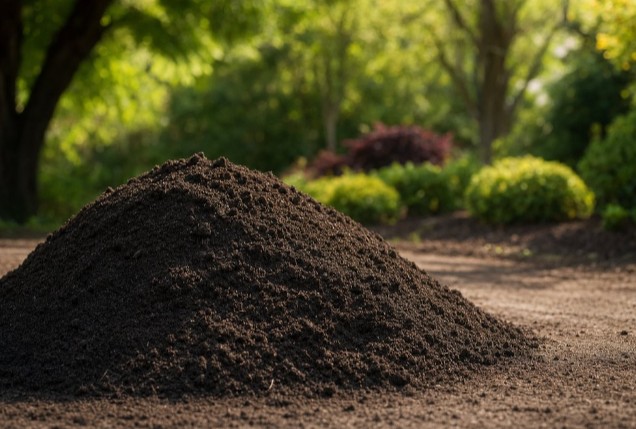
Once your soil has been delivered, dump it in smaller piles instead of one big mound to make it easier to manage. If you’re mixing new soil with existing soil in planting beds, try to rake the new soil into the top layer of existing soil so plants won’t run into drastic changes in soil texture as their roots grow.
Avoid raking and otherwise working soil when it’s particularly wet, as this can lead to compaction, which can make it difficult for water and roots to penetrate the soil. Once soil is in place, water lightly to help the soil settle in.
By the time you’ve finished using the soil you’ve ordered, you should have a plan in place for what to do with any leftovers. In addition to using it to amend dips and other low areas, leftover soil can be a great way to refresh tired planting beds or fill in empty pots until you’re ready to fill them with new plants.
Have a shovel, rake, wheelbarrow and other equipment ready to go before your soil arrives so you’ll be ready to get started as soon as it’s delivered.