

Outdoor walls are often overlooked when planning a garden, patio, or exterior renovation. While attention typically goes towards landscaping, furniture, and decorative accessories, walls can have a significant influence on the overall appearance of an outdoor space. Homeowners looking to see outdoor wall ideas can explore different textures, finishes, and decorative features to find inspiration for transforming plain exterior surfaces into attractive focal points. With the right design, an ordinary boundary wall or blank exterior surface can become an attractive feature that adds character, depth, and functionality to the property.
Exploring different outdoor wall ideas can help homeowners make better use of their surroundings, whether they want to create a peaceful garden retreat, improve privacy, or introduce a more contemporary aesthetic. From natural materials and decorative finishes to greenery and integrated lighting, there are numerous ways to enhance outdoor walls while ensuring they remain suitable for the local climate.
Natural materials offer an effective way to create outdoor walls that complement their surroundings. Stone, timber, and brick each have distinctive characteristics, making them suitable for different architectural styles and garden layouts.
Stone cladding can introduce texture and a sense of permanence to an exterior wall. Its varied colors and natural patterns work particularly well in gardens with established planting, gravel pathways, or traditional landscaping. Depending on the stone and installation method, the finish can appear rustic or refined, allowing homeowners to tailor the design to their preferences.
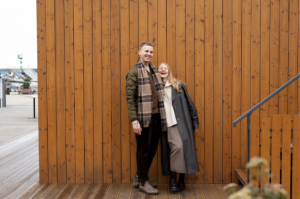
Timber is another attractive option for adding warmth to outdoor spaces. Wooden slats or decorative panels can soften the appearance of masonry walls and create a more relaxed atmosphere around patios and seating areas. However, outdoor timber should be suitable for exterior use and protected against moisture, insects, and weather-related deterioration as necessary.
Brick walls can also serve as decorative features rather than simply defining property boundaries. Exposed brick offers a traditional appearance, while carefully selected finishes can create a cleaner, more contemporary effect. The most suitable material will depend on the property’s existing architecture, maintenance expectations and exposure to the elements.
Introducing greenery is one of the most effective outdoor wall ideas for homeowners who want to bring nature into their gardens without using additional ground space. Vertical planting can transform plain surfaces into living features while helping connect architectural elements with the surrounding landscape.
Climbing plants are a relatively straightforward option. Depending on the species and growing conditions, plants can cover trellises, pergolas and suitable wall supports, introducing color and texture throughout the year. Choosing plants appropriate for the local climate and available sunlight is essential for healthy growth.
For a more structured appearance, wall-mounted planters can accommodate herbs, flowering plants and compact ornamental varieties. Arranging containers at different heights creates visual interest while allowing the planting scheme to be changed over time. This approach is particularly useful for smaller patios and courtyards where ground space is limited.
Living wall systems offer another possibility, especially for contemporary properties. These systems use purpose-designed structures to support plants vertically, often incorporating irrigation and drainage components. Although they can create striking results, they require suitable planning and ongoing care to maintain healthy vegetation.
Before adding plants, consider the wall’s condition, waterproofing and drainage. Climbing plants should also be selected carefully, as some varieties can damage unsuitable masonry or become difficult to manage if left unchecked.
Decorative wall panels provide a practical way to introduce visual interest without undertaking a complete exterior renovation. Available in various patterns, colors and finishes, they can create a distinctive focal point in gardens, outdoor dining areas and covered patios.
Slatted panels are particularly suitable for contemporary outdoor spaces. Their repeating lines create a sense of structure and can make a wall appear more refined. Depending on their design and placement, they can also provide partial screening around seating areas, helping establish a greater sense of privacy.
Textured panels offer another option for homeowners seeking a more distinctive finish. Geometric patterns and three-dimensional surfaces can add depth to otherwise plain walls, particularly when combined with carefully positioned lighting. The result can be visually appealing without requiring excessive decoration elsewhere.
Material selection remains important. Panels intended for outdoor installation must withstand the expected levels of sunlight, rain, humidity and temperature variation. Finishes that look attractive indoors may deteriorate quickly when exposed to exterior conditions, so checking the manufacturer’s specifications is essential.
Lighting can dramatically change the appearance of an exterior wall after sunset. Rather than treating illumination as purely functional, homeowners can use it to highlight architectural details, create atmosphere and make outdoor areas more inviting.
Wall-mounted lights are a popular choice for patios, entranceways and garden boundaries. Their design can complement the property’s architecture, ranging from discreet contemporary fittings to more traditional lantern-style fixtures.
Uplighting and downlighting can emphasise textured surfaces such as stone, brick and decorative panels. Light directed across a wall can reveal surface details that might otherwise go unnoticed, adding depth to the garden after dark. Subtle lighting can also draw attention to climbing plants or other decorative features.
For the best results, consider how lighting will interact with seating areas, pathways and neighbouring properties. Excessively bright fixtures can cause glare and reduce the comfort of an outdoor environment. Exterior lighting should also be appropriately rated for its location, with electrical installation carried out by a qualified professional where required.
Outdoor walls can serve purposes beyond decoration. With thoughtful planning, they can support storage, define different zones and improve the usability of a garden or patio.
A wall-mounted storage system can keep gardening tools, small accessories and outdoor equipment organised. In covered areas, sturdy shelves may provide space for decorative pots, lanterns and other items. Any fittings must be suitable for exterior conditions and securely attached to the wall.
Built-in seating is another practical possibility. A low masonry wall can double as a bench around a patio or garden gathering area, helping maximise available space. Adding suitable outdoor cushions can improve comfort, while nearby planting can soften the overall appearance.
Walls can also help distinguish separate areas within larger gardens. A decorative screen or low partition can establish a more intimate dining space without completely closing it off from the rest of the garden. Combining different wall treatments with planting, paving and outdoor furniture can create a cohesive layout that feels purposeful rather than crowded.
An attractive outdoor wall should remain practical throughout changing weather conditions. Exposure to rain, sunlight, humidity and temperature fluctuations can affect paint, timber, metal fittings and decorative coverings.
Exterior masonry should be assessed before applying a new finish. Cracks, loose render and signs of moisture should be addressed before painting or installing decorative materials. Selecting a suitable exterior paint or protective coating can help improve durability while refreshing the wall’s appearance.
Drainage and ventilation also deserve attention, particularly where panels, planters or dense planting are installed against existing walls. Trapped moisture can contribute to deterioration, so the design should allow water to drain properly and materials to perform as intended.
Maintenance requirements should form part of the decision-making process. Some finishes need periodic sealing or repainting, while others require only occasional cleaning. Choosing materials that suit the property’s environment and the homeowner’s maintenance preferences can help preserve the appearance of the outdoor space over time.
The right outdoor wall ideas can transform an ordinary exterior into a more attractive, functional and welcoming environment. Natural materials introduce timeless character, vertical planting brings greenery into compact spaces, and decorative panels provide contemporary texture. Meanwhile, thoughtful lighting and practical features can improve how outdoor areas look and function throughout the day.
By considering the property’s architectural style, local weather conditions, available space and maintenance requirements, homeowners can select wall treatments that deliver lasting value. With careful planning, even a simple exterior wall can become an integral part of a well-designed outdoor living space.