
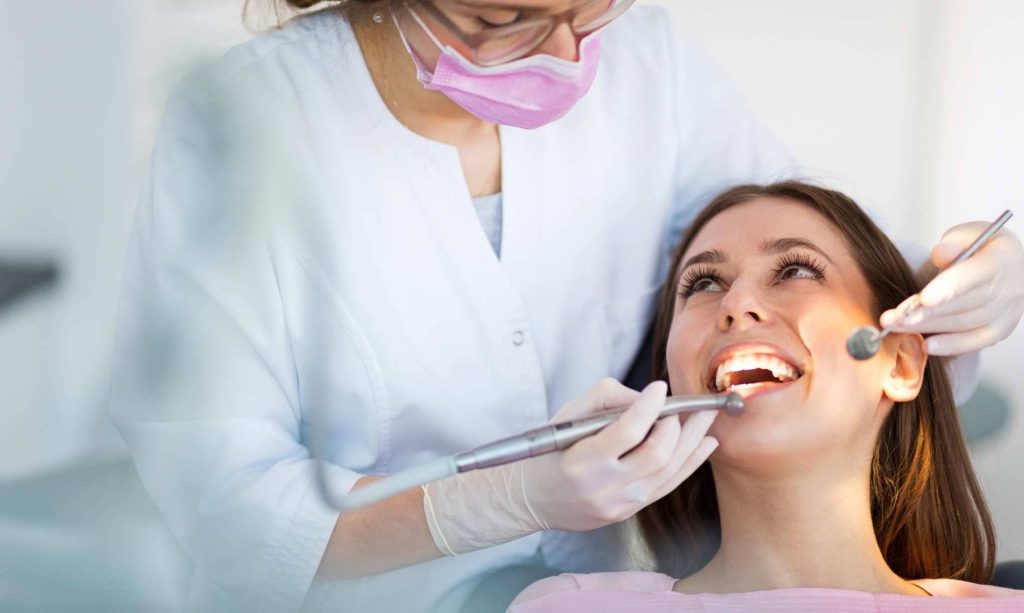
When managing daily wellness routines, dental checkups frequently fall to the bottom of the priority list. Many adults view oral care as a self-contained task—something focused purely on keeping teeth looking white and avoiding cavities. However, your mouth acts as the primary gateway to your entire body. Treating dentistry solely as an emergency fix for sudden pain misses the profound impact oral health has on your systemic physical well-being.
Clinical research continuously links chronic oral inflammation to severe medical conditions, including cardiovascular disease, diabetes, and respiratory infections. Data from the Centers for Disease Control and Prevention indicates that nearly 47% of adults aged 30 and older show signs of some form of periodontal (gum) disease. Establishing a daily hygiene routine and attending routine professional cleanings stops oral bacteria from entering your bloodstream and causing systemic harm.
Your mouth hosts a complex microbiome containing hundreds of distinct bacterial species. When you maintain clean teeth and firm gums, beneficial bacteria keep pathogenic species under control. However, when daily brushing and flossing falter, harmful bacteria multiply rapidly inside a sticky biofilm known as plaque.
As plaque accumulates along your gumline, these bacteria feed on dietary sugars and secrete acidic byproducts that irritate delicate soft tissues. This initial inflammation triggers gingivitis, causing your gums to swell and bleed during brushing. If left untreated, gingivitis progresses into periodontitis, a chronic infection that breaks down the ligament attachments and bone structure supporting your teeth. Bleeding gums create open microscopic pathways, allowing oral bacteria to enter your systemic circulation directly. Once inside your blood vessels, these microorganisms trigger chronic inflammatory responses throughout your entire body.
Preventing bacterial overgrowth requires a consistent, technique-focused daily routine. Relying on sheer scrubbing force damages protective enamel and recedes gum tissue, whereas targeted daily habits effectively lift plaque without causing mechanical trauma:
Even with meticulous home care, plaque eventually mineralizes into a hardened substance called calculus, or tartar, within 48 to 72 hours. Calculus forms a porous, rigid shell that home toothbrushes cannot remove. Professional cleanings provide an essential biological reset for your mouth every six months.
During a routine preventive visit, your dental hygienist uses ultrasonic scalers and precision curettes to safely scrape away hardened calculus from above and below your gumline. They also measure your periodontal pocket depths using a calibrated probe. Healthy gum tissue fits snugly around teeth with pocket readings between 1 and 3 millimeters. Readings of 4 millimeters or higher indicate active tissue detachment and localized bone loss.
Once your foundation of oral health is fully restored through preventive care, addressing aesthetic concerns like chipped enamel, minor gaps, or persistent stains becomes possible. Patients in St. Louis County seeking smile enhancements can explore options for veneers in ballwin to combine long-term tooth health with tailored cosmetic care. Dr. Thomas R. Schallenberg at My Ballwin Dentist crafts custom porcelain veneers that bond directly to healthy enamel, elevating smile aesthetics while preserving natural tooth structure.
Preventive visits extend far beyond cleaning surface enamel. Modern dental practices utilize digital diagnostic tools to evaluate the structural stability of your entire jaw and surrounding teeth.
Digital X-rays emit up to 80% less radiation than traditional film while generating sharp, high-resolution images instantly. Clinicians use these scans to spot interproximal cavities, decaying root structures, and early signs of bone loss hidden beneath healthy-looking gums. High-definition intraoral cameras project magnified views of your teeth onto chairside screens, allowing you to see hairline cracks, micro-fractures, or failing restorations alongside your clinician.
Early diagnostic evaluations also allow dentists to check for physical signs of nocturnal teeth grinding, known as bruxism. Unconscious clenching during sleep puts hundreds of pounds of pressure on enamel, causing flattened cusps, chipped edges, and temporomandibular joint tension. Wearing a custom acrylic nightguard distributes biting forces evenly across your arch, protecting your natural tooth structure from premature wear.
When tooth loss occurs despite preventive maintenance—whether due to severe trauma, deep root decay, or historical periodontitis—restorative solutions become vital. Exploring dental implants in Springfield VA provides patients in Northern Virginia with a permanent way to replace missing roots and preserve jawbone density. Dr. Joseph DuLac at DuLac DDS evaluates bone volume and bite mechanics to place biocompatible titanium posts that restore 100% of natural chewing force.
Keeping your gums healthy through regular cleanings delivers measurable health benefits that extend far beyond your mouth:
As clinical experts from the American Dental Association state, “Open communication with your dental team and adherence to routine professional examinations form the cornerstone of effective preventive oral healthcare.”
Your oral health acts as a reliable mirror for your body’s overall physical condition. Shifting your mindset away from reactive emergency dental care toward proactive daily maintenance protects your smile and safeguards your systemic health. By maintaining consistent brushing and flossing habits at home and visiting your dental team for professional checkups every six months, you preserve your natural teeth, lower systemic inflammation, and maintain a functional, confident smile for a lifetime.