
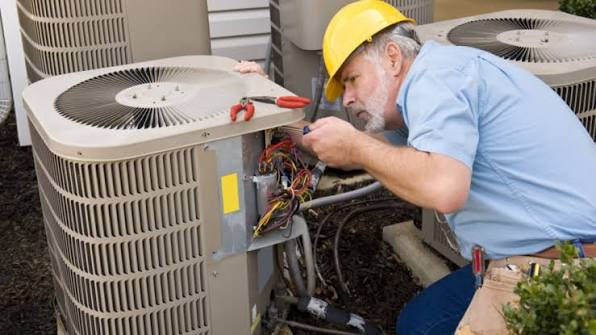
HVAC problems can seem isolated when service visits occur months or even years apart. A strange cooling issue in summer may fade from memory before another problem appears, while winter service details can become difficult to recall by the following season. Keeping organized records of AC Repair and Heating Repair gives homeowners a clearer picture of how their equipment has performed over time.
Service records are useful for more than confirming when a technician visited the property. Invoices, maintenance reports, technician notes, warranty information, and homeowner observations can reveal repeated symptoms, changing operating patterns, and components that have received previous attention. This history can provide valuable context when another problem develops.
A well-organized record also improves communication during future appointments. Pelican Heating & Air can evaluate current system conditions, while homeowners can provide relevant information about previous service and recurring concerns. Combining present observations with documented history helps keep conversations focused on actual equipment behavior rather than uncertain memories.
Homeowners do not need an elaborate filing system to preserve useful HVAC information. A physical folder, digital folder, or clearly labeled home-maintenance file can keep important records together.
Store service invoices, inspection summaries, equipment information, warranty documents, and relevant receipts in the same location. Include dates whenever possible so events can be reviewed chronologically.
Homes with separate heating and cooling equipment may benefit from individual sections. Clear organization prevents unrelated service information from becoming mixed together.
The reason for requesting service can be as important as the final invoice. Before an appointment, homeowners should briefly describe what they noticed and when the problem began.
Useful details might include unusual sounds, unexpected odors, changing airflow, inconsistent operation, thermostat behavior, or difficulty maintaining normal comfort. Note whether symptoms occur constantly or only under particular conditions.
These observations create a snapshot of the equipment before professional evaluation. Months later, that snapshot can help homeowners remember why the appointment was originally scheduled.
One service event may provide limited information about long-term performance. Several records describing similar symptoms can reveal a pattern that would otherwise be easy to overlook.
For example, homeowners might discover that comparable operating concerns have appeared during several cooling seasons. Repeated AC Repair records can make that history visible without relying on memory.
The existence of a pattern does not identify its cause. It simply provides useful background that a qualified technician can consider alongside current system conditions.
An invoice may list charges without capturing every useful detail discussed during an appointment. Homeowners can preserve additional notes about findings, recommendations, or follow-up instructions provided by the technician.
Write down what the professional actually reported rather than converting it into a personal diagnosis. This distinction becomes valuable when records are reviewed later.
Pelican Heating & Air can assess current equipment based on present conditions. Accurate historical notes provide context without suggesting that an older diagnosis automatically explains a new symptom.
Knowing that the HVAC system was serviced is less informative than knowing which areas or components were involved. Records should preserve specific information included in professional service documentation.
Over several years, this history can show whether attention has repeatedly involved the same area or several unrelated concerns. That distinction may become relevant when discussing overall system performance.
Homeowners should avoid interpreting component history without technical guidance. The purpose of tracking is to preserve facts that can support future professional evaluation.
Repair records become more useful when viewed alongside ordinary maintenance history. Documenting routine appointments creates a more complete picture of how consistently equipment has received professional attention.
Include service dates and retain any maintenance reports provided. Homeowners can also record basic responsibilities they perform according to applicable system guidance, such as filter attention.
A continuous timeline helps separate routine care from unexpected service events. It also reduces uncertainty about when previous maintenance actually occurred.
Heating and cooling equipment experiences different demands throughout the year. Recording the season and weather context surrounding a problem can make older service information easier to interpret.
A concern that appears only during sustained cold conditions may have a different pattern from one occurring during milder operation. Similarly, cooling symptoms may become noticeable only during extended periods of high demand.
Seasonal context does not establish a diagnosis. It gives technicians additional information about the circumstances in which homeowners observed the problem.
Winter problems are easy to forget once warmer weather arrives. Keeping Heating Repair documentation prevents useful information from disappearing between heating seasons.
Homeowners can review previous records before starting regular winter operation. This may remind them about earlier recommendations, observations, or concerns that deserve continued attention.
Historical records are particularly useful when a symptom disappears temporarily. A written service history preserves details even when the equipment seems normal months later.
Not every meaningful change results in an immediate service call. Homeowners may notice occasional sounds, changes in runtime, or other behavior that does not persist long enough to prompt urgent attention.
A brief dated note can preserve these observations. Avoid lengthy technical speculation; simply describe what happened, where it was noticed, and approximately how long it lasted.
If the behavior later becomes frequent, earlier notes provide a useful timeline. They can show whether the change developed gradually or appeared suddenly.
Equipment documentation often becomes scattered among household paperwork after installation. Warranty information should remain accessible alongside relevant system records.
Homeowners can retain applicable registration details, product documents, and service paperwork according to manufacturer requirements. Having these materials available prevents unnecessary searching when questions arise.
Records should also identify major equipment accurately where documentation provides model or installation information. Clear identification becomes increasingly useful as the system ages.
A few minutes spent reviewing previous appointments can improve the next service conversation. Homeowners can identify whether the current symptom resembles something documented earlier.
Bring relevant dates and records to the technician’s attention without assuming that the same cause has returned. Similar symptoms can result from different conditions, making current professional diagnosis necessary.
This approach provides history without steering the evaluation toward an unsupported conclusion. Good records inform the conversation rather than replacing inspection.
It can be surprisingly difficult to remember how often an HVAC system has required attention. Several appointments spread across multiple years may feel less frequent than they actually were.
A chronological record makes service frequency visible. Homeowners can distinguish occasional isolated visits from increasingly regular problems and discuss that history during professional evaluations.
Pelican Heating & Air can consider documented service information alongside current findings. This creates a more complete picture than judging equipment condition from the latest appointment alone.
Even when homeowners organize cooling and heating records separately, maintaining one overall HVAC timeline can be helpful. It shows how household comfort equipment has behaved throughout complete annual cycles.
Service dates can be reviewed alongside maintenance visits and major equipment events. This broader timeline gives homeowners a practical reference when planning future care.
Good documentation also helps another household member understand equipment history. Important information remains available even if the person who originally scheduled service is unavailable.
HVAC paperwork becomes more valuable when it tells a clear story rather than accumulating in an unorganized drawer. Dates, symptoms, professional findings, maintenance history, warranty information, and homeowner observations can collectively document how equipment has changed over time.
Organized AC Repair and Heating Repair records cannot diagnose a new problem, but they can give technicians useful historical context. They also help homeowners recognize recurring patterns and communicate previous concerns more accurately.
A simple recordkeeping habit can remain useful throughout years of homeownership. By preserving factual information after each appointment, homeowners create a dependable reference that supports clearer service conversations and a better understanding of long-term system performance.