
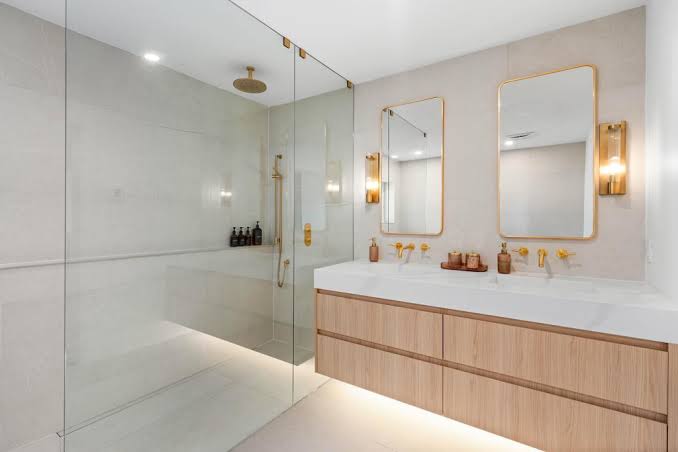
A newly installed shower enclosure can give a bathroom a clean, open appearance, but daily exposure to water, soap, minerals, and personal care products gradually changes how its surfaces look. Consistent maintenance helps homeowners manage ordinary buildup before it becomes difficult to remove. Caring for custom shower glass is largely about developing simple habits that fit naturally into the household routine.
Maintenance also involves more than keeping transparent surfaces visually clear. Hinges, handles, seals, edges, and nearby bathroom conditions can influence how comfortably the enclosure functions over time. Regular observation makes it easier to notice changes before they become familiar parts of the room.
Homeowners do not need an unnecessarily complicated maintenance routine. TN Glass Install can explain care considerations associated with the installed enclosure and its components. Understanding what should be cleaned, observed, and protected gives homeowners a practical foundation for everyday upkeep.
Water left to dry repeatedly can leave visible spotting, particularly where the household water contains dissolved minerals. Removing droplets soon after showering reduces the amount of residue remaining on the surface.
A squeegee can make this task quick enough to become part of the normal routine. Starting near the top and moving downward helps direct remaining water toward the shower floor instead of redistributing it across cleaned areas.
Consistency matters more than lengthy cleaning sessions. A brief habit after regular use can reduce the amount of buildup homeowners need to address during deeper bathroom cleaning.
Shower surfaces encounter soap residue, body products, and mineral deposits, so periodic cleaning remains necessary even when water is removed after use. Homeowners should select products appropriate for their particular enclosure and follow relevant manufacturer guidance.
Highly abrasive materials can be unnecessarily aggressive on glass, finishes, or surrounding components. Scrubbing harder is not always the best response when a product or cleaning tool is poorly suited to the surface.
TN Glass Install can provide care information relevant to installed materials when appropriate. Following suitable maintenance guidance helps homeowners clean effectively without relying on increasingly harsh methods whenever residue appears.
Large glass surfaces naturally attract attention because spotting is easy to see there. Smaller areas around edges, hardware, and transitions can receive less routine care even though moisture and residue collect in them.
Handles, hinges, brackets, and similar components create small transitions where water can remain after the main surface has dried. Wiping these locations during routine cleaning prevents them from being consistently overlooked.
Homeowners should clean accessible areas without loosening or adjusting hardware unnecessarily. Mechanical changes should be evaluated separately rather than treated as part of ordinary surface maintenance.
Moisture does not remain only on the enclosure. Steam can linger throughout the bathroom, especially after longer or hotter showers, leaving surfaces damp well after bathing has finished.
Using available ventilation can help the room dry more efficiently. Homeowners may use an appropriate exhaust fan or other existing ventilation methods according to the bathroom’s design and household routine.
Drying conditions matter because repeated moisture exposure affects the entire room. Managing humidity supports routine bathroom care while helping the shower area return to a drier condition between uses.
Soap, shampoo, conditioner, and other bathing products can leave films that become increasingly visible with repeated exposure. Clear surfaces may begin looking dull even when no single shower creates an obvious change.
Regular light cleaning can be easier than waiting for substantial buildup. Homeowners should pay attention to lower sections and areas near frequently used products, where splashes may occur more often.
Custom shower glass can retain its clean appearance more easily when residue is addressed as routine maintenance. Allowing layers to accumulate can turn a simple task into a much longer cleaning session.
Hardware should not disappear from attention simply because the glass remains clear. Handles, hinges, brackets, and other components are used repeatedly and deserve occasional visual observation.
Homeowners can note unusual movement, looseness, changes in door alignment, or hardware that begins behaving differently. They should avoid making improvised adjustments when they are uncertain about how a component supports the enclosure.
Early observation provides useful information if professional attention becomes necessary. Describing when a change began and how operation differs can make the condition easier to evaluate.
Some enclosures include seals, sweeps, or similar components that help manage water around moving or meeting sections. These parts may experience repeated contact during normal shower use.
Homeowners should look for visible displacement, wear, or changes that affect everyday performance. Cleaning around these components should be gentle enough to avoid pulling them from their intended positions.
TN Glass Install can assess enclosure components when homeowners notice changes they cannot confidently identify. Professional evaluation is preferable to forcing, trimming, or repositioning unfamiliar parts without understanding their function.
Bottles, razors, cleaning tools, decorative items, and other objects can accumulate around shower edges. Excessive clutter makes surfaces harder to reach and creates additional locations where water and residue can remain.
Organized storage makes routine cleaning faster because homeowners do not need to move numerous items before reaching the glass. It can also improve airflow around frequently wet areas.
Keeping only regularly used products near the shower simplifies maintenance. Less clutter allows homeowners to notice changes in surfaces, seals, and hardware more easily during ordinary cleaning.
Shower panels and doors should not become convenient places for hanging heavy objects or supporting body weight. Handles and other components are designed for specific functions rather than general bathroom storage.
Family members and guests should use designated towel bars, hooks, shelving, or other appropriate features. This simple habit prevents unnecessary loads from being placed on enclosure components.
Children should also be discouraged from pulling or hanging on shower doors. Respecting the enclosure as a functional installation supports safer everyday use and reduces avoidable stress.
A chip or crack deserves different attention from ordinary water spotting. Homeowners should avoid pressing, tapping, or repeatedly operating damaged glass in an attempt to determine whether it remains stable.
Glass replacement may become necessary when a panel is damaged, depending on the glass type and the condition identified during professional assessment. Shower glazing should not be treated like a surface that can automatically be patched with a household product.
Keeping people from unnecessarily contacting damaged material is a sensible precaution. Professional evaluation can determine the appropriate response without relying on improvised repairs that may create additional concerns.
Not every visible change is removable residue. Scratches, chips, cracks, damaged components, or other physical conditions require a different response from mineral spotting and soap film.
Homeowners should avoid escalating to increasingly abrasive cleaning simply because a mark does not disappear. Identifying whether the issue is surface buildup or actual damage can prevent unnecessary treatment of the enclosure.
If glass replacement is recommended, homeowners should understand which panel is affected and what related components will be evaluated. Clear scope information helps distinguish physical repair from ordinary maintenance.
The best cleaning routine is one household members can realistically maintain. Complicated schedules often disappear after a few weeks, while simple tasks are easier to repeat consistently.
Keeping a suitable squeegee and approved cleaning supplies accessible can reduce the effort required. Homeowners can combine quick after-shower care with periodic deeper cleaning rather than treating every session as a major project.
Regular observation should become part of that routine as well. Looking at hardware, edges, seals, and door operation takes little additional time while providing useful awareness of the enclosure’s condition.
Long-term shower care depends on manageable habits rather than constant intensive cleaning. Removing water, addressing soap residue, ventilating the bathroom, cleaning around hardware, and limiting clutter can help preserve a neat appearance while supporting practical daily use.
Physical damage should always be separated from ordinary maintenance concerns. If a panel becomes chipped or cracked, glass replacement should be evaluated professionally instead of relying on aggressive cleaning or improvised repair methods that do not address the damaged material.
A thoughtful routine keeps maintenance predictable and makes unusual changes easier to recognize. By caring for glass surfaces and surrounding components consistently, homeowners can keep the enclosure looking clear, organized, and well maintained while avoiding unnecessary cleaning effort.