
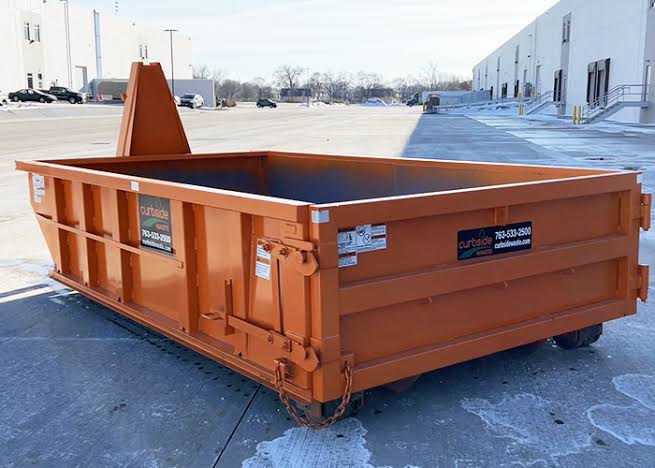
Construction projects rarely generate the same type or amount of debris from beginning to end. Demolition may create heavy volumes quickly, while framing, installation, and finishing produce different materials at different rates. A well-planned Rolloff Service can account for these changing conditions without allowing waste to interfere with active work.
Multi-phase projects add another challenge because crews, equipment, deliveries, and materials continually shift around the site. A disposal arrangement that works during demolition may become inconvenient once new trades arrive or staging areas change. Waste planning should therefore follow the construction schedule instead of remaining fixed throughout the project.
Treating disposal as part of project coordination can reduce unnecessary material handling and crowded work areas. Hiep Sanitation can support this approach by helping contractors consider changing debris needs alongside project phases. The objective is to give discarded materials a predictable path while preserving space for the work that still needs to happen.
A construction schedule already identifies when major phases and trades are expected to work. Adding anticipated waste generation to that timeline provides a clearer picture of when disposal demands may increase or change.
Demolition usually creates a different waste stream from framing or interior installation. Later stages may produce packaging, cutoffs, removed protective materials, and smaller quantities of finishing debris. Reviewing these differences helps contractors avoid planning every phase around the conditions present on the first day.
The schedule should remain flexible enough to reflect actual progress. Delays, additional work, and material changes can alter when particular debris enters the waste stream.
Demolition can produce large amounts of material within a short period. Without a defined route, debris may collect inside structures or spread across areas that incoming crews will soon need.
A practical plan identifies how removed material will travel from the work area to its disposal destination. Doorways, temporary openings, stairs, equipment routes, and exterior access can influence that path. Reducing unnecessary intermediate piles can also limit repeated handling.
Hiep Sanitation can fit into the broader project plan by providing a disposal point around which contractors organize appropriate debris movement. Keeping the route consistent helps crews understand where removed materials should go as demolition advances.
Multi-phase construction depends on orderly handoffs. Carpenters, electricians, plumbers, installers, painters, and other trades may need the same spaces at different points in the schedule. Debris left by one phase can reduce the usable area available to the next.
Cleanup should therefore occur at logical transition points rather than being reserved for project completion. Removing appropriate waste before another trade begins creates more room for tools, materials, and necessary movement.
A cleaner handoff also makes it easier to distinguish unfinished work from discarded material. Crews can evaluate the space they are receiving without first sorting through leftovers from earlier tasks.
New construction materials require protected and accessible staging locations. Lumber, fixtures, equipment, flooring, cabinetry, and packaged products can quickly compete with discarded materials when site space is limited.
Waste and usable materials should have clearly different destinations. This separation reduces confusion and prevents temporary debris piles from gradually expanding into areas intended for incoming supplies.
The zones may move as construction progresses. What matters is maintaining the distinction whenever the project layout changes.
Delivery schedules can significantly affect site movement. Trucks may need access to loading areas, entrances, lifts, or staging zones that are also convenient for waste operations. Poor coordination can force one activity to interrupt another.
Contractors should review important deliveries before determining when waste movement will be busiest. If large quantities of materials are arriving, clearing appropriate debris beforehand may create valuable staging space and improve access.
Rolloff Service planning can be connected with these milestones so disposal supports the construction sequence. Thinking about deliveries and waste together helps prevent limited site space from becoming an avoidable scheduling problem.
The composition of construction waste evolves as the project moves forward. Early removal may generate larger pieces, while later installation can produce packaging, scraps, and smaller discarded components.
These changes may affect how crews collect and move materials. A process designed around heavy demolition debris may be unnecessarily cumbersome during finishing work. Periodic review keeps waste routines appropriate for current conditions.
Hiep Sanitation can support contractors as disposal requirements shift with the project. Reviewing actual debris rather than relying solely on initial expectations allows waste planning to remain connected with work occurring on site.
Temporary debris staging can be useful when immediate disposal would interrupt active work. Problems arise when temporary locations have no clear limits or removal schedule. Small piles can quickly become established obstacles.
Contractors should determine how long materials can remain in temporary areas and when those areas will be cleared. This is particularly important near hallways, entrances, equipment paths, and locations required by several trades.
Regular removal prevents yesterday’s debris from controlling tomorrow’s workspace. It also keeps project organization visible as work progresses.
Waste capacity should be reviewed in relation to the work still scheduled, not simply according to how full a container appears. A project approaching another high-debris phase may require attention earlier than one entering lighter finishing work.
Supervisors can compare remaining capacity with upcoming demolition, removal, or installation tasks. This forward-looking approach provides more time to make adjustments when actual debris volume differs from estimates.
Monitoring is especially useful on projects where hidden conditions expand the scope. Newly discovered materials can change disposal needs even when the original estimate was reasonable.
Larger projects often have several crews operating at the same time. Each trade may produce different waste while requiring access to shared hallways, loading areas, exterior routes, or equipment.
Clear expectations help prevent crews from creating separate disposal habits that compete with one another. Project managers can establish common waste locations and explain how materials should move from individual work zones.
Coordination becomes particularly valuable when space is limited. Shared rules allow disposal to function as one site-wide process rather than several disconnected cleanup systems.
Waiting until construction is substantially complete to plan final cleanup can create unnecessary work. Debris that could have left during earlier phases may remain in corners, staging areas, or exterior locations.
A Rolloff Service should fit into the project through the final waste-producing stages rather than being viewed only as support for early demolition. Contractors can schedule a broader site review after major work ends and inspect locations used throughout construction.
This review should include former staging areas, access routes, storage spaces, and exterior work zones. A systematic approach helps identify materials that may have been overlooked during daily cleanup.
Effective waste planning changes as a multi-phase construction project develops. Demolition, trade transitions, material deliveries, installation, and finishing each create different demands on space and disposal routines. Treating every stage identically can make waste management less practical than necessary.
A stronger approach connects debris movement with the same schedule used to coordinate labor, materials, and site access. Clearing work areas at transition points and monitoring upcoming needs keeps disposal responsive to actual construction activity.
When waste has a defined route through every project phase, crews spend less time relocating old debris to make room for new work. Thoughtful coordination allows disposal to support the construction sequence from early removal through final site cleanup.