

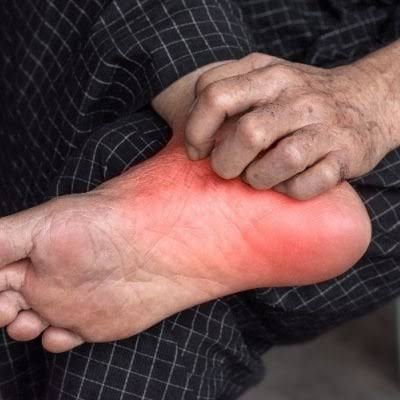
Why Are the Bottom of My Feet Red? For most people, the cause is something simple like friction, tight shoes, or standing too long on hard floors. But redness on the soles can also point to a fungal infection, an allergic reaction, or in rarer cases, a circulation or nerve-related condition.

Redness on the soles of your feet usually comes from one of three sources: physical stress, skin irritation or infection, or a circulation and nerve issue.
The sole of your foot absorbs more daily stress than almost any other part of your skin. That makes it especially prone to redness from mechanical, infectious, and vascular causes alike.
Long hours of standing or walking, especially on hard surfaces, is one of the most common and least concerning causes. Extended time on your feet increases blood flow to the soles and can trigger mild inflammation, which shows up as redness.
This type of redness tends to show up in weight-bearing areas like the heel and ball of the foot. It usually fades with rest, cushioned footwear, and reduced time on your feet.
Athlete’s foot is a fungal infection that thrives in warm, damp environments like shoes and socks. While it’s best known for itching between the toes, a less recognized form spreads across the entire sole.
Contact dermatitis happens when your skin reacts to an irritant or allergen. Common triggers include laundry detergent, certain soaps, synthetic shoe materials, or dyes in socks. Switching to hypoallergenic products often resolves it within days.
Chronic skin conditions can also affect the soles. Psoriasis on the feet usually appears as pink-red or dark brown patches, and the skin may be itchy, raised, and thick.
Eczema tends to cause more diffuse redness with dryness and itching, while psoriasis often forms distinct scaly patches. Both are manageable with the right skincare routine and, when needed, prescription treatment.
Blisters form from repeated friction and appear as raised, red or clear fluid-filled spots. If the red spot is also filled with clear fluid or blood, it’s likely a blister — typically the result of continued friction or stress to the skin.
Most blisters heal on their own within a few days. Avoid popping them, since intact skin protects against infection.
Reduced blood flow can also cause visible redness or discoloration in the feet. A blood clot, venous insufficiency, or peripheral arterial disease can all cause redness and may signal an issue with the vascular system.
These conditions are more likely in people with diabetes, a history of smoking, or limited mobility, and they warrant medical evaluation rather than home treatment.
Erythromelalgia is a rare but well-documented cause of red, burning soles. It’s a clinical syndrome characterized by a triad of redness, warmth, and burning pain, most notably affecting the extremities — usually the lower extremities, and most commonly the feet.
Attacks typically begin with a sensation of warmth or tingling in the soles, escalating over minutes to intense, burning pain that patients often describe as feeling like their feet are on fire. Episodes are frequently triggered by heat, exercise, or standing, and relieved by cooling and elevation.
High glucose levels or poorly managed diabetes can damage peripheral nerves over time, and high blood glucose levels can also weaken blood vessel walls. This nerve and vessel damage can contribute to skin discoloration and burning sensations in the feet.
Unlike erythromelalgia, this type of burning is usually constant rather than episodic and often comes with numbness or tingling rather than visible bright redness.

| Cause | Redness Pattern | Common Accompanying Signs | Usually Needs a Doctor? |
|---|---|---|---|
| Friction/pressure | Diffuse, weight-bearing areas | Improves with rest | No |
| Athlete’s foot | Moccasin-style across sole | Itching, peeling, dry skin | Sometimes (if persistent) |
| Contact dermatitis | Patchy, follows contact area | Itching, rash | Rarely |
| Eczema/psoriasis | Patchy or scaly | Itching, thickened skin | Sometimes |
| Blisters | Localized, raised | Fluid-filled bump | No |
| Circulation issues | Diffuse or discolored | Swelling, coolness, pain | Yes |
| Erythromelalgia | Episodic, both feet | Burning heat, triggered by warmth | Yes |
| Diabetes/neuropathy | Diffuse | Numbness, tingling, constant burning | Yes |
Mild, temporary redness after standing or exercise is generally nothing to worry about. It becomes more significant when it’s persistent, painful, or paired with other symptoms.
Most red soles resolve with simple care, but some symptoms point to a condition that needs professional diagnosis. Consider seeking evaluation if redness persists or worsens without a clear cause, is accompanied by swelling, warmth, or tenderness, involves fever or red streaks extending from the area, appears in a foot affected by diabetes, keeps recurring without explanation, or doesn’t improve after adjusting footwear or reducing activity.
If any of these apply, schedule an appointment with a podiatrist or primary care provider. They can determine whether the cause is dermatological, infectious, vascular, or neurological.
Once serious causes are ruled out, most redness responds well to targeted, low-risk care. Below are the most effective approaches by cause.
Rest and elevation of the feet can reduce pressure and swelling, and cold compresses can also provide relief from pain and redness. This is the first step for friction-related redness.
Over-the-counter antifungal creams typically clear mild athlete’s foot within a few weeks. Keep feet clean, dry, and well-ventilated, especially between the toes, to prevent recurrence.
If contact dermatitis is suspected, replace scented soaps, detergents, and synthetic sock materials with hypoallergenic alternatives. Redness from irritants often improves within days of removing the trigger.
Pressure-related redness tends to appear in areas that bear the most weight and usually improves with rest, better footwear, and cushioning. Choose shoes with adequate support and avoid tight, non-breathable materials.
For circulation issues, diabetes, or erythromelalgia, treatment must address the underlying condition rather than just the skin symptom. This may involve medication, blood sugar management, or specialist referral.
Washing the feet daily with mild soap, thoroughly drying them (especially between the toes), and applying moisturizer can prevent dry skin and irritation. This simple routine also reduces the risk of fungal and irritant-related redness.
| Approach | Best For | Typical Timeframe | Needs a Prescription? |
|---|---|---|---|
| Rest, elevation, cold compress | Friction, mild inflammation | 1–3 days | No |
| OTC antifungal cream | Athlete’s foot | 2–4 weeks | No |
| Hypoallergenic products | Contact dermatitis | Days to 1 week | No |
| Footwear changes | Pressure-related redness | Ongoing | No |
| Medical evaluation and treatment | Circulation, diabetes, erythromelalgia | Varies by condition | Often yes |
Yes, this is usually just increased blood flow from pressure and friction, and it typically fades with rest.
Yes, tight or non-breathable shoes can cause friction, pressure, and material-related skin reactions that lead to redness.
Athlete’s foot often comes with itching, peeling, or dry, thickened skin, not just redness alone.
Yes, diabetes can affect circulation and nerves in ways that contribute to skin discoloration and burning sensations in the feet.
Erythromelalgia is a rare condition causing episodes of red, hot, burning feet, often triggered by heat or standing and relieved by cooling.
See a doctor if redness is persistent, painful, spreading, or paired with swelling, fever, or numbness.
Yes, contact dermatitis from soaps, detergents, or shoe materials is a common allergic cause of foot redness.
Yes, conditions like peripheral artery disease or venous insufficiency can cause visible redness or discoloration in the feet.
In some cases, yes, especially if paired with swelling, warmth, or pain, and this should be evaluated promptly.
Wear supportive, breathable shoes, maintain good foot hygiene, moisturize regularly, and address any underlying skin or health conditions.
Redness on the bottom of your feet is often nothing more than a sign of friction, pressure, or a mild skin reaction, and it usually clears up with rest, better footwear, and basic foot care. Fungal infections, contact dermatitis, and eczema or psoriasis are also common and generally treatable causes.
Less commonly, red soles can point to circulation problems, diabetes-related nerve changes, or a rarer condition like erythromelalgia. If redness is persistent, painful, spreading, or paired with swelling, fever, or numbness, it’s worth getting evaluated rather than waiting it out, since an accurate diagnosis leads to the right treatment.