

Why am I drooling in my sleep? For most people, the answer is simple: gravity, an open mouth, and a slower swallowing reflex during deep sleep.
Waking up to a damp pillow feels embarrassing, but it’s one of the most common and least talked-about sleep habits there is.
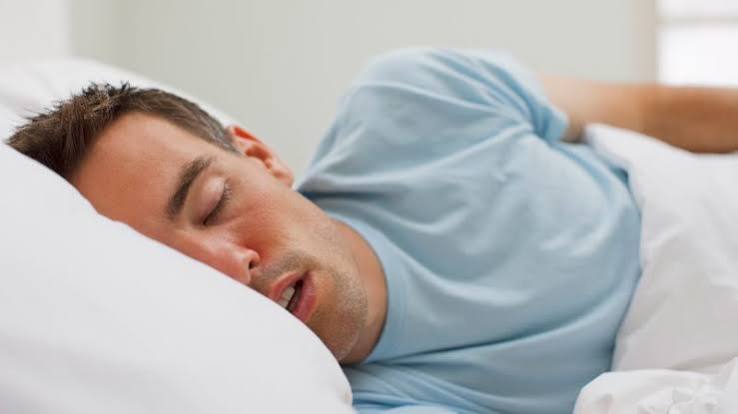
Drooling in your sleep happens because your facial muscles relax, your swallowing reflex slows down, and saliva pools in your mouth instead of being swallowed.
Understanding the mechanism makes the rest of this guide easier to follow. Your body produces saliva around the clock.
During the day, you swallow automatically every few minutes without noticing. At night, especially during deep sleep stages, that swallowing reflex drops sharply.
Saliva keeps being produced at a lower but steady rate. With less swallowing to clear it, the saliva has nowhere to go but out.
Side and stomach sleeping are the single biggest drivers of nighttime drooling. When you lie on your back, saliva naturally pools toward the back of your throat and gets swallowed.
When you lie on your side or stomach, gravity pulls that same saliva forward and out through parted lips. This is why so many people notice drool only on the side of the pillow they favor.
If your mouth stays open while you sleep, saliva has a direct exit path. Mouth breathing is often caused by nasal congestion, so your mouth compensates to keep air moving.
Gastroesophageal reflux disease (GERD) can trigger extra saliva production as a protective response. When stomach acid rises into the esophagus, your salivary glands release more saliva to help neutralize it.
This reflex is sometimes called water brash. People with GERD often notice drooling alongside heartburn, a sour taste, or a lump-in-the-throat sensation at night.
Sleep apnea causes repeated pauses or blockages in breathing throughout the night. To compensate, the body frequently shifts to mouth breathing, which increases saliva loss.
Drooling alone doesn’t confirm sleep apnea, but it’s a common accompanying symptom worth noting if paired with other signs discussed below.
Certain medications increase saliva production as a side effect. These include some antipsychotics, particularly clozapine, along with certain antibiotics and drugs used for Alzheimer’s disease and muscle disorders.
If drooling started shortly after beginning a new medication, that timing is a useful clue to mention to your prescriber.
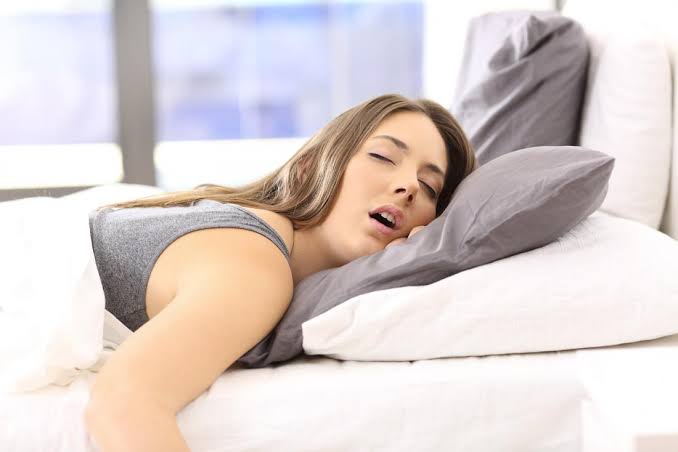
Dysphagia means difficulty swallowing, and it can cause saliva to accumulate rather than clear normally. Conditions linked to dysphagia include Parkinson’s disease, ALS, multiple sclerosis, cerebral palsy, and stroke recovery.
These causes are less common but important to rule out if drooling is severe, sudden, or paired with other neurological symptoms.
| Cause | How Common | Typical Accompanying Signs | Usually Needs a Doctor? |
|---|---|---|---|
| Sleep position | Very common | Drool on one side of pillow only | No |
| Mouth breathing / allergies | Common | Congestion, snoring, dry mouth on waking | Rarely |
| GERD | Common | Heartburn, sour taste, sore throat | Sometimes |
| Sleep apnea | Less common | Loud snoring, gasping, daytime fatigue | Yes |
| Medication side effect | Situational | Started after a new prescription | Discuss with prescriber |
| Swallowing disorder | Rare | Facial weakness, slurred speech, choking | Yes |
Occasional drooling is completely normal and does not usually signal a health problem. It becomes more of a talking point when it’s frequent, heavy, sudden in onset, or paired with other symptoms.
Most nighttime drooling is harmless, but certain warning signs point to something that needs medical evaluation rather than a lifestyle fix. See a healthcare provider if you notice any of the following alongside drooling.
If any of these apply, schedule an appointment with your primary care provider. They can determine whether a sleep specialist, ENT, gastroenterologist, or neurologist should be involved.
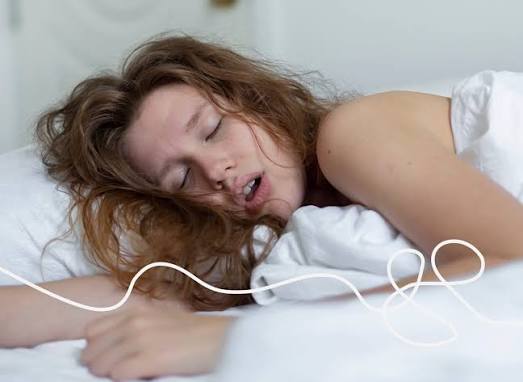
Once you’ve ruled out anything urgent, most drooling responds well to simple, low-risk adjustments. Here are the strategies with the strongest track record.
Training yourself to sleep on your back is the single most effective fix for positional drooling. Try placing a pillow on each side of your body to discourage rolling onto your side overnight.
A wedge pillow raises your head just enough to let gravity help move saliva toward your throat instead of out your mouth. This can also ease GERD symptoms at the same time.
Clearing blocked sinuses reduces the need to mouth-breathe. Options include saline rinses, allergy medication, a humidifier, or treating an underlying sinus infection.
If reflux is driving the drooling, addressing GERD directly tends to reduce both symptoms together. This can include avoiding late meals, limiting trigger foods, and following your doctor’s reflux treatment plan.
Adequate hydration helps regulate saliva consistency. Aim to drink water consistently through the day and taper fluids in the two hours before bed to avoid nighttime waking.
If sleep apnea is confirmed, treating it with CPAP therapy or an oral appliance from a sleep dentist typically reduces mouth breathing and the drooling that comes with it.
If a medication seems to be the trigger, never stop or adjust it on your own. Ask your prescriber whether an alternative or dosage change is appropriate.
| Position | Drooling Risk | Other Sleep Benefits | Best For |
|---|---|---|---|
| Back | Low | Reduces GERD symptoms, supports spinal alignment | Most sleepers without apnea |
| Side | Moderate to high | Can ease snoring for some people | Pregnant sleepers, back pain |
| Stomach | Highest | Few benefits; can strain neck | Rarely recommended |
Beyond treating the underlying cause, a few habits reduce the daily annoyance of nighttime drooling.
Usually not. Occasional drooling is a normal side effect of relaxed muscles during sleep, not a medical condition on its own.
This typically happens because you favor sleeping on that side. Gravity pulls pooled saliva toward whichever side is lowest.
Yes. Allergies that block nasal passages force you to breathe through your mouth, which lets saliva escape more easily while you sleep.
Not by itself. Drooling becomes a stronger apnea signal when paired with loud snoring, gasping, or daytime fatigue.
Yes, some people experience increased saliva as a reflux response even without classic heartburn symptoms, though it’s less common.
Training yourself to sleep on your back, using positional pillows, and treating any nasal congestion are the most effective fixes.
Occasional drooling in children is usually normal, especially during teething years or colds, but persistent heavy drooling is worth mentioning to a pediatrician.
Some people report more drooling during high-stress periods, likely linked to disrupted sleep and muscle tension, though position remains the primary driver.
Yes. Swallowing frequency naturally drops during deep sleep stages, which is a major reason saliva pools and can escape.
See a doctor if drooling is sudden, severe, paired with swallowing difficulty, facial weakness, or symptoms of sleep apnea like loud snoring and daytime exhaustion.
Waking up with a damp pillow is one of the most common and least discussed parts of sleep, and in most cases it simply comes down to sleep position and a slower swallowing reflex. Mouth breathing, allergies, GERD, and certain medications can all add to the effect, while sleep apnea and swallowing disorders are less common but important causes to rule out.
The good news is that most drooling responds well to simple changes: sleeping on your back, treating nasal congestion, managing reflux, and staying hydrated. If drooling is new, severe, or paired with red-flag symptoms like loud snoring, gasping, or trouble swallowing while awake, it’s worth bringing up with your doctor rather than managing it alone.
Medical Disclaimer: This article is for informational purposes only and is not a substitute for professional medical advice, diagnosis, or treatment. Always consult a qualified healthcare provider regarding any symptoms or health concerns.