
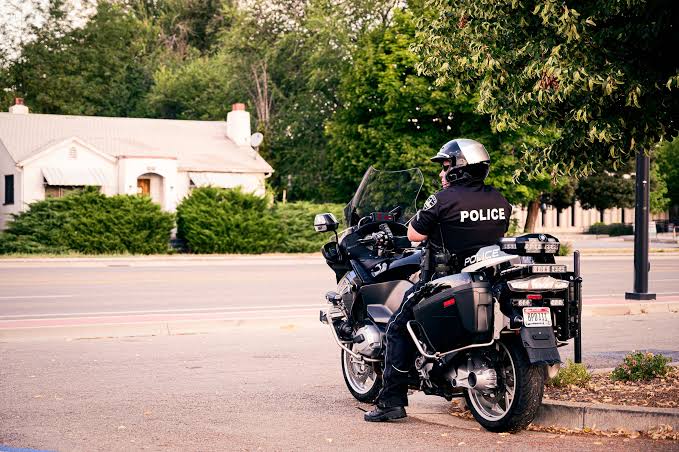
Why Are the Cops Called 12? You’ve heard it in trap songs, seen it spray-painted as graffiti, or gotten a text that just says “12 on the block.” “12” is street slang for the police, usually shouted or texted as a heads-up that law enforcement is nearby.
But unlike older slang like “cop” or “the fuzz,” nobody agrees on exactly where the number came from — there’s no single documented origin, just several competing, overlapping theories.
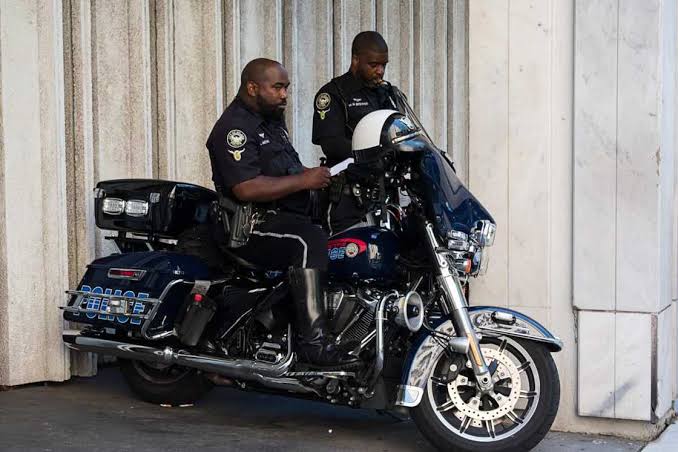
“12” is American street slang for police, most likely descended from a mix of three sources: the police radio code 10-12 (meaning “visitors present” or “stand by”), the 1968–1975 TV series Adam-12, whose LAPD officers patrolled as call sign “1-Adam-12,” and Atlanta’s narcotics units in the 1970s–80s, whose officers were allegedly known by unit numbers starting with 12. Whatever combination is true, it was Atlanta’s hip-hop and trap music scene that carried “12” from regional slang into a nationally recognized term.
“12” is used as a warning — shouted on the street, posted on social media, or texted between friends — to alert people that police are nearby. It functions less like a formal name and more like a coded signal: say “12,” and everyone who knows the slang understands instantly. It’s typically neutral-to-cautious in tone, though it can turn pointed or hostile in phrases like “f*** 12.”
The most frequently cited explanation ties “12” to the ten-code system many U.S. police departments have used for radio communication. In this system, the code “10-12” traditionally signals something like “visitors or bystanders present” or “stand by.” Communities that grew up around heavy police radio traffic may have picked up “10-12” and shortened it to “12” as street shorthand for police being present.
This theory fits a broader pattern: other police radio codes have leaked into everyday slang the same way, including “187” (California’s penal code for homicide) showing up in rap lyrics as slang for murder.
Adam-12 aired on NBC from 1968 to 1975 and followed two fictional LAPD officers, Pete Malloy and Jim Reed, patrolling Los Angeles in a black-and-white cruiser identified over the radio as “1-Adam-12.” The show was a major pop-culture presence at the time, and many researchers believe its constant repetition of the call sign helped plant “12” in the public vocabulary as shorthand for a police unit — long before hip-hop revived it decades later.
This theory closely parallels how “5-0” became slang for police, borrowed directly from the show Hawaii Five-O.
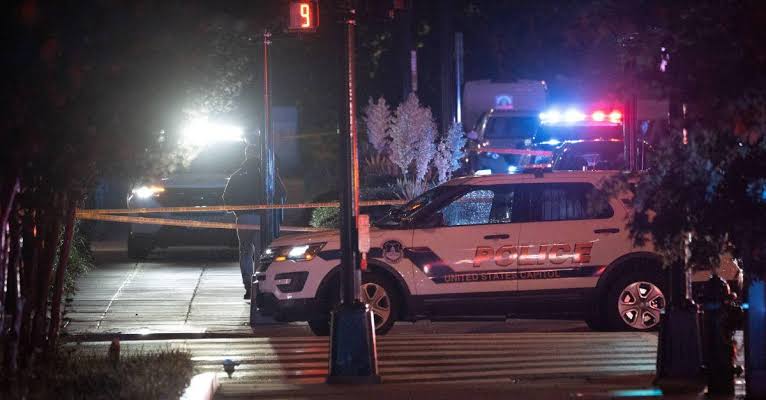
A third, more regional theory traces “12” to Atlanta’s narcotics enforcement units in the 1970s and 1980s. According to this account, officers on Atlanta PD’s drug units used badge or unit numbers starting with “12,” and dealers who spotted them began yelling “12” as a warning to others nearby. Since Atlanta became one of the most influential cities in hip-hop from the 1990s onward, local artists carried the slang they grew up with straight into their lyrics — and when those songs went national, “12” went with them.
A more politically charged theory links “12” to the acronym ACAB (“All Cops Are Bastards”), converting each letter to its position in the alphabet (A=1, C=3, B=2) to form “1312.” Under this theory, “1312” was eventually shortened to just “12.”
Why most researchers are skeptical: the math doesn’t cleanly work. If “13” is meant to stand for “All Cops” and “12” for “Bastards,” it’s an inconsistent, unintuitive way to abbreviate a four-word phrase — and there’s no documented trail showing “1312” actually being shortened to “12” in practice. It’s a compelling pattern for social media, but it functions more as a retroactive story than a sourced origin.
| Theory | Time period | Strength of evidence | Notes |
|---|---|---|---|
| 10-12 radio code | 1970s onward | Moderate — plausible, follows a known pattern (see “187”) | No single department’s code is universally documented as the source |
| Adam-12 TV show | 1968–1975 | Moderate-strong — clear cultural footprint | Parallels the well-documented “5-0″/Hawaii Five-O connection |
| Atlanta narcotics unit | 1970s–1980s | Moderate — regionally specific, plausible | Relies on oral history more than public records |
| ACAB / 1312 | Modern (protest era) | Weak | The alphabet math doesn’t consistently work |
Bottom line: the honest answer is that “12” almost certainly grew out of some combination of the radio-code and Adam-12 influences, took on a specific regional meaning in Atlanta’s narcotics scene, and was then carried nationwide by hip-hop — not from any single, provable source.
| Era | What happened |
|---|---|
| 1968–1975 | Adam-12 airs, embedding “1-Adam-12” in American pop culture |
| 1970s–1980s | Atlanta narcotics units and police radio codes give “12” a specific street meaning in the South |
| 1990s–2000s | Atlanta becomes a hub for hip-hop and trap music; local artists use the slang they grew up with |
| 2013 | Migos help popularize the phrase “F*** 12” in mainstream rap |
| 2010s–2020s | Social media and protest-era language spread “12” nationally and internationally |
| Term | Region most associated | Believed origin |
|---|---|---|
| 12 | South, especially Atlanta | 10-12 radio code / Adam-12 / Atlanta narcotics units |
| 5-0 | West Coast, Hawaii | TV show Hawaii Five-O |
| Po-po | Nationwide, older usage | Uncertain; long-standing urban slang |
| The heat | Nationwide | General slang for police presence/pressure |
| Johnny Law | Older/regional | Personification of law enforcement |
| Pigs | Nationwide, dates to 19th-century England | Historical insult repurposed by 1960s counterculture |
Mostly, no. In everyday use, “12” functions as neutral-to-cautious slang — closer to “heads up, cops” than an insult. It can read as hostile when paired with profanity (“f*** 12”) or used in an explicitly anti-police context, but the word itself isn’t inherently derogatory the way “pigs” is.
Legal note: using slang for police is protected speech in the United States. Saying or texting “12” is not, by itself, illegal — legal issues only arise if a warning is used with specific intent to help someone evade arrest for a known offense. This is general information, not legal advice; consult an attorney for questions about a specific situation.
The most likely explanation combines the police radio code “10-12,” the 1968–1975 TV show Adam-12, and Atlanta’s narcotics-unit street culture, spread nationally through hip-hop.
No. Researchers and language writers agree there’s no single, documented source — only overlapping theories.
It’s a popular theory, but the alphabet math doesn’t cleanly hold up, and most slang researchers consider it a weaker, secondary explanation.
In many departments’ ten-code systems, “10-12” traditionally means “visitors or bystanders present” or “stand by.”
It followed two fictional LAPD officers, Pete Malloy and Jim Reed, patrolling Los Angeles under the radio call sign “1-Adam-12,” from 1968 to 1975.
It’s most closely tied to Atlanta, where narcotics-unit slang combined with the city’s dominant hip-hop scene to spread the term nationally.
“5-0” is police slang popularized by the show Hawaii Five-O and is more associated with the West Coast and Hawaii, while “12” is more associated with the South.
The phrase was popularized in mainstream rap around 2013, notably by Migos, and is used as an anti-police street phrase rooted in Atlanta culture.
No — using slang for police is protected speech. Legal risk typically only arises if a warning is given with specific intent to help a known offender evade arrest.
Not necessarily. It’s most often used as a neutral or cautious warning; the tone becomes negative mainly when paired with profanity or explicit criticism.
There’s no strong documentation of “12” as police slang before the late 1960s–1970s; its usage appears to have developed through the combination of TV, radio codes, and regional street culture described above.
Primarily through the global reach of American hip-hop and social media, which carried Atlanta-originated slang to international audiences.