
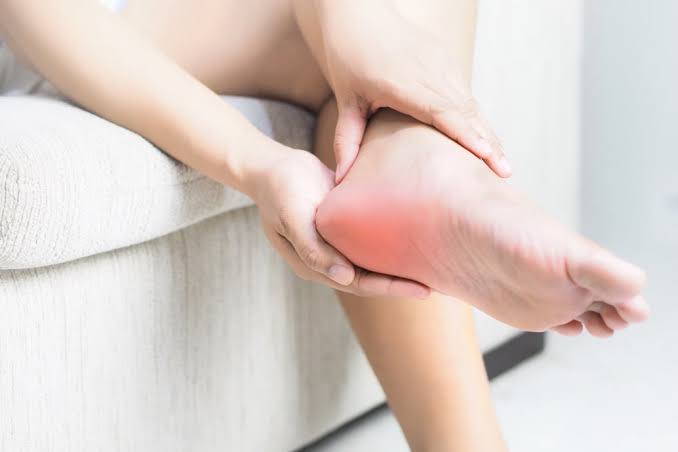
Why does my heel hurt so bad even when you have not injured it? For most people, the answer comes down to inflammation, overuse, or a structural problem inside the foot rather than a single dramatic injury.
Severe heel pain can make it hard to walk, stand at work, or even get out of bed in the morning without wincing.

In most cases, severe heel pain is caused by plantar fasciitis, an inflammation of the thick band of tissue that connects your heel bone to your toes. Other frequent culprits include Achilles tendinitis, heel spurs, stress fractures, and fat pad atrophy. The right treatment depends entirely on which structure in your foot is actually inflamed or damaged.
Your heel bone, called the calcaneus, is the largest bone in your foot. It absorbs a huge amount of force every time you take a step, run, or jump.
Several structures attach to or surround the heel bone. These include the plantar fascia, the Achilles tendon, a fat pad cushion, small nerves, and multiple ligaments.
When any one of these structures becomes inflamed, torn, compressed, or worn down, the result is heel pain that can range from mild stiffness to sharp, stabbing agony.
A podiatrist typically starts with a physical exam, checking for tenderness, swelling, and range of motion in the ankle and foot.
They will usually ask about when the pain started, what makes it worse, your typical footwear, and your activity level, since these details narrow down the likely cause quickly.
X-rays can rule out fractures and reveal heel spurs, while ultrasound or MRI imaging is sometimes used to assess soft tissue damage like a torn plantar fascia or tendon.
In cases where nerve compression is suspected, a doctor may order a nerve conduction study to confirm tarsal tunnel syndrome.
Athletes face a unique set of risk factors for heel pain because of the repetitive, high-impact nature of running, jumping, and quick direction changes.
Training errors, such as increasing mileage too quickly or skipping recovery days, are among the most common causes of plantar fasciitis and Achilles tendinitis in runners.
Running on hard surfaces like concrete, combined with worn-out shoes, compounds the stress placed on the heel with every stride.
Cross-training with lower-impact activities, such as swimming or cycling, can help athletes stay active while giving an inflamed heel time to recover.
Certain medical conditions can make heel pain more likely or harder to treat, so it is worth mentioning any relevant health history to your doctor.
People with diabetes are at higher risk for nerve-related foot pain and should monitor any numbness or tingling closely, since reduced sensation can mask more serious problems.
Autoimmune conditions such as rheumatoid arthritis or psoriatic arthritis can cause inflammation at the point where the plantar fascia or Achilles tendon attaches to the heel bone.
Obesity increases mechanical stress on the heel with every step, which is why gradual, sustainable weight management is often part of a long-term treatment plan.
Plantar fasciitis is the single most common cause of heel pain, and it explains why so many people search why does my heel hurt so bad first thing in the morning.
It happens when the plantar fascia, the band of connective tissue running along the bottom of your foot, develops small tears and becomes inflamed from repetitive stress.
The hallmark symptom is a sharp, stabbing pain in the bottom of the heel during your first steps after waking up or after sitting for a long time. The pain often eases as you move, then returns after prolonged standing or activity.
Risk factors include obesity, standing jobs, tight calf muscles, flat feet, high arches, and worn-out athletic shoes.
Achilles tendinitis is inflammation of the Achilles tendon, the thick cord connecting your calf muscles to the back of your heel bone.
This condition is especially common in runners, basketball players, and tennis players who suddenly increase training intensity or volume.
Pain typically sits slightly above the heel itself, along the back of the ankle, and worsens with pushing off during walking or running.
A heel spur is a bony growth that forms on the underside of the calcaneus, usually as a result of long-term strain from plantar fasciitis.
Interestingly, heel spurs themselves are rarely the direct source of pain. It is the surrounding soft tissue inflammation that actually causes the discomfort people feel.
Heel spurs are often discovered incidentally on X-rays taken for other reasons.
A stress fracture is a tiny crack in the heel bone caused by repeated impact, often from running, military training, or a sudden jump in activity level.
Unlike plantar fasciitis, stress fracture pain tends to be constant, worsens with weight-bearing activity, and does not improve much with rest between sessions.
Swelling and localized tenderness directly over the bone are common warning signs.
Underneath your heel bone sits a natural cushion of fat that absorbs shock with every step. As people age, or after years of high-impact activity, this pad can thin out.
Fat pad atrophy causes a deep, bruise-like ache that worsens on hard surfaces and improves with cushioned footwear.
Bursitis occurs when the small fluid-filled sac that cushions the heel bone becomes inflamed, often from friction against poorly fitted shoes or repetitive impact.
Pain from bursitis is usually felt at the back or side of the heel and may come with visible swelling or warmth.
Tarsal tunnel syndrome is a nerve compression condition similar to carpal tunnel syndrome, but it affects the tibial nerve as it passes through the ankle and into the foot.
It causes burning, tingling, or shooting pain that can radiate into the heel and arch, and it often worsens at night.
Sever’s disease is a common cause of heel pain in growing children and teenagers, especially those active in running and jumping sports.
It results from inflammation at the growth plate in the back of the heel and typically resolves once bone growth is complete.
| Condition | Typical Pain Location | Worse In The Morning? | Common Trigger |
|---|---|---|---|
| Plantar fasciitis | Bottom of heel | Yes | Standing, overuse, tight calves |
| Achilles tendinitis | Back of heel/ankle | Sometimes | Running, sudden activity increase |
| Heel spur | Bottom of heel | Yes | Chronic plantar fascia strain |
| Stress fracture | Directly over heel bone | No, constant | Repetitive high impact |
| Fat pad atrophy | Center of heel, deep ache | No | Aging, hard surfaces |
| Bursitis | Back or side of heel | No | Friction, poor footwear |
| Tarsal tunnel syndrome | Heel and arch, radiating | Often worse at night | Nerve compression |
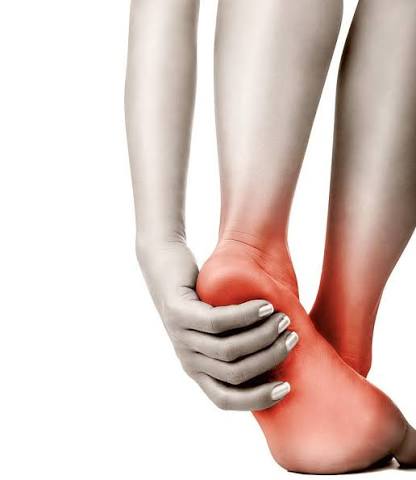
Several factors explain why ordinary heel pain can escalate into something that feels unbearable.
The heel absorbs roughly one and a half times your body weight with every single step, so even minor inflammation gets aggravated constantly throughout the day.
Ignoring early symptoms often allows inflammation to become chronic, which can lead to compensatory changes in your walking gait.
These gait changes can eventually create secondary pain in your knees, hips, or lower back, making the original problem feel even more disruptive.
Not all heel pain is equal, and some symptoms mean you should not wait to see a doctor.
If your pain persists beyond one to two weeks of home treatment, it is time to schedule an appointment with a podiatrist or your primary care provider.
You should seek immediate medical care if you suspect a fracture, cannot walk, or notice signs of infection such as fever or spreading redness.
A podiatrist can use a physical exam, imaging like X-rays or ultrasound, and a review of your activity history to pinpoint the exact cause of your pain.
Most cases of heel pain respond well to conservative, at-home treatment when started early.
When home care is not enough, several clinical treatments can help resolve stubborn heel pain.
| Treatment | Best For | What It Involves |
|---|---|---|
| Custom orthotics | Flat feet, high arches, chronic plantar fasciitis | Prescription shoe inserts tailored to your foot shape |
| Physical therapy | Achilles tendinitis, gait-related pain | Targeted stretching and strengthening exercises |
| Night splints | Morning heel pain from plantar fasciitis | Keeps the fascia gently stretched overnight |
| Steroid injections | Persistent inflammation, bursitis | Reduces swelling and pain quickly, used sparingly |
| Walking boot or immobilization | Stress fractures, severe cases | Limits motion to allow healing |
| Shockwave therapy | Chronic plantar fasciitis unresponsive to other care | Stimulates tissue healing with sound waves |
| Surgery | Rare, severe or unresponsive cases | Releases or repairs damaged tissue |
Surgery is rarely necessary for heel pain, and most podiatrists reserve it as a last resort after conservative treatments have failed.
Choosing the right shoes can make a significant difference in how quickly your heel pain improves.
A few simple stretches, done consistently, can noticeably reduce heel discomfort over time.
Avoiding a few common mistakes can prevent minor heel pain from becoming a chronic problem.
Mild cases of plantar fasciitis or tendinitis often improve within a few weeks of consistent rest, stretching, and supportive footwear.
More stubborn or long-standing cases can take several months to fully resolve, especially if treatment is delayed or inconsistent.
Stress fractures generally require six to eight weeks of reduced weight-bearing activity to heal properly.
It helps to know exactly where your pain is located, since heel pain, arch pain, and ankle pain often point to different underlying problems.
Heel pain is felt directly in the back or bottom of the foot, near the calcaneus bone itself, and is most often linked to plantar fasciitis or Achilles issues.
Arch pain sits along the middle of the foot and is commonly tied to overpronation, flat feet, or fascia strain that has not yet localized to the heel.
Ankle pain is felt at the joint itself and is more often caused by sprains, instability, or arthritis rather than the soft tissue conditions that typically affect the heel.
Heel pain can present differently depending on age, and understanding these patterns helps explain what is actually going on.
Children and teenagers are more prone to Sever’s disease, which stems from the growth plate rather than soft tissue damage seen in adults.
Adults in their thirties through fifties most commonly experience plantar fasciitis, often linked to weight gain, occupational standing, or a sudden increase in exercise.
Older adults are more likely to experience fat pad atrophy and arthritis-related heel pain, since natural cushioning and joint health decline with age.
Once your heel pain resolves, a few habits can help keep it from coming back.
Maintain a healthy body weight, since excess weight adds extra stress to the heel with every step.
Warm up properly before exercise and increase training intensity gradually rather than all at once.
Replace athletic shoes regularly and choose footwear appropriate for your specific activity.
Continue calf and plantar fascia stretches as part of your regular routine, even after the pain is gone.
A few persistent myths can lead people to make the wrong choices when treating heel pain, so it is worth clearing them up.
Myth: heel spurs always need surgical removal. In reality, most heel spurs are painless and treatment focuses on the surrounding soft tissue inflammation instead.
Myth: heel pain always means plantar fasciitis. While it is the most common cause, tendinitis, fractures, nerve compression, and arthritis can all produce similar symptoms.
Myth: you should push through the pain during exercise. Continuing high-impact activity on an inflamed heel typically prolongs recovery and can turn a minor issue into a chronic one.
Knowing what happens during a typical appointment can make the process feel less intimidating if you have never seen a foot specialist before.
Your podiatrist will likely examine your gait, check your footwear, and press on specific points of your heel to identify exactly which structure is inflamed.
You may be asked to walk barefoot across the room so the doctor can observe how your foot strikes the ground and whether your arch collapses inward.
Based on the findings, your podiatrist will typically recommend a conservative treatment plan first, reserving injections or advanced imaging for cases that do not respond to initial care.
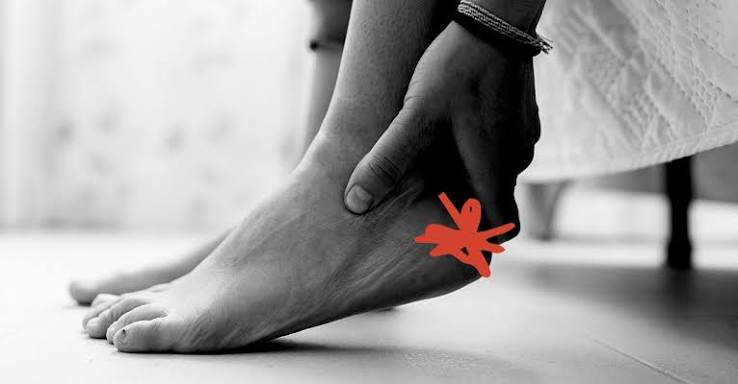
Morning heel pain is the classic sign of plantar fasciitis, since the fascia tightens overnight. Your first steps stretch it suddenly, causing sharp pain.
Mild heel pain sometimes improves with rest alone, but most cases heal faster with stretching, supportive shoes, and consistent home care.
Excessive walking on hard surfaces can worsen inflammation, but gentle, supported walking in good shoes is usually fine and even helpful for healing.
Stress fracture pain is usually constant, worsens with activity, and does not improve much with rest between sessions, unlike plantar fasciitis.
Ice is generally best for acute inflammation, especially after activity. Heat can help loosen tight muscles before stretching sessions.
Yes, worn-out, flat, or unsupportive shoes are a major contributing factor to plantar fasciitis, bursitis, and general heel strain.
See a doctor if pain lasts more than two weeks, if you cannot bear weight, or if you notice swelling, redness, fever, or numbness.
Usually not directly. The surrounding soft tissue inflammation, not the bony spur itself, is typically what causes the pain people feel.
Yes, both over-the-counter and custom orthotics can reduce pressure on the heel and are commonly recommended for plantar fasciitis relief.
Mild cases often improve within a few weeks, while chronic or untreated cases can take several months to fully resolve.
Severe heel pain is uncomfortable, but it is rarely a medical emergency, and the vast majority of cases respond well to simple, consistent home care. Understanding whether your pain points to plantar fasciitis, Achilles tendinitis, a stress fracture, or another cause helps you choose the right treatment path instead of guessing.
Start with rest, ice, gentle stretching, and supportive shoes, and see a podiatrist if the pain lasts more than two weeks or comes with swelling, numbness, or an inability to bear weight. With the right approach, most people find lasting relief and return to walking, standing, and exercising without pain.