
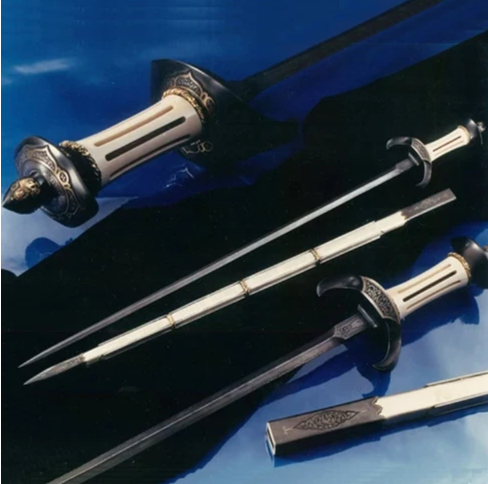
It is not as easy as people might think to find an original ceremonial sword. Handmade, decorative copies, historical replicas, and mass-produced souvenirs are all part of the market and can appear to be very similar on the surface.
If you get one wrong, you could end up with something that is not historically accurate, culturally significant, or of enduring quality. Whether you are looking for a display piece, a ceremonial sword with significance, or a collectible inspired by Sikh heritage, that’s important.
Knowing about the history, craftsmanship, and purpose of these swords can help you make a thoughtful choice rather than just a decision based on looks. Moreover, knowing what makes a piece authentic will help you enjoy the artistry and tradition of each piece. Let’s discuss the most important things you need to consider when making a smart decision without hesitation.
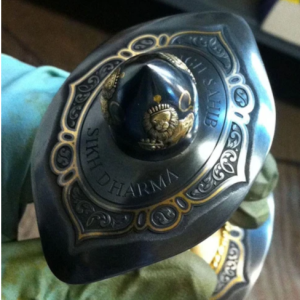
Before purchasing a sword, consider why you would like one. The type of design, size, and craftsmanship that you focus on depends on your purpose. If you are interested in a ceremonial piece, search for a Sikh sword that is reflective of Sikh history, symbolism, and traditional artistry.
Many ceremonial swords are not intended for actual use, and are instead engraved in detail and made out of quality materials, with historically inspired designs. Remember the position of the sword for display. Different sizes and presentation styles may be appropriate for a wall display, office, collection room, or personal prayer space.
Selecting a sword that is appropriate to the setting will provide a respectful and balanced look. By knowing what you want, you might also avoid paying for things that may not be relevant to your specific needs.
The first step to authenticity is to understand what the sword is. In the Sikh tradition, the sword represents a sense of courage, justice, dignity, and the duty to defend others. It embodies the values of justice and resistance to injustice, not aggression.
This commitment to these values is expressed by the continuation of an initiated Sikh wearing the Kirpan, which is one of the Five Ks. Numerous ceremonial swords draw inspiration from historical weapons of the Sikh warriors and Khalsa. They are often designed with traditional blade shapes, beautiful hilts, and symbolic elements that pay tribute to this tradition.
This knowledge also enriches your understanding of the significance of these swords in Sikh culture and traditions throughout the years. Once you grasp this context, you can see meaningful craftsmanship in decorative products that lack cultural context.
A genuine ceremonial sword stands out because of its quality.
Read carefully:
Handmade items are often more detailed and have greater care and attention paid to the item than a machine-made souvenir would have. Patterns or designs should look neat and purposeful, rather than haphazard or uneven.
Also noteworthy is the scabbard. High-quality ceremonial swords can feature scabbards made of leather, wood, or metal, depending on the overall aesthetic and style. Pay attention to stitching, hardware, and embellishment, as they can be a good indicator of overall quality.
A well-crafted sword should be uniformly polished, well put together, and have all the parts properly aligned. The attention to detail reflects both the craftsmanship and dedication of the maker to traditional techniques. Keep in mind that real craftsmanship involves not only good looks, but precision and durability.
The quality can be told a lot from the materials. The authentic ceremonial swords use high-grade carbon steel or stainless steel for the blades, depending on what the sword is for. Accents can be brass, bronze, silver, hardwood, or real leather. Steer clear of all-lightweight alloy or all-low-quality metal pieces that are not well finished and feel flimsy.
Other areas to check:
A properly crafted sword should have a solid feel to it but not seem overdone or awkward. With proper care, quality materials can also help to ensure that the sword retains its appearance for many years to come.
Traditional design is another important sign of authenticity. Many Sikh-inspired ceremonial swords incorporate historical styling that reflects weapons used during different periods of Sikh history. Common features may include gently curved blades, distinctive hilts, elegant guards, engraved motifs, and balanced proportions inspired by historical examples.
While modern interpretations exist, authentic ceremonial pieces usually respect these traditional characteristics instead of adding excessive decoration simply to attract attention. Researching historical examples helps you recognize designs that remain faithful to Sikh artistic traditions.
The seller matters just as much as the sword.
Choose specialists who provide detailed descriptions about:
Reading customer reviews and examining detailed product photographs can also provide valuable insight into the quality and finish of the sword before you make a purchase. Clear product information helps you make an informed decision and reduces the risk of purchasing low-quality replicas.
An authentic ceremonial sword deserves proper care. Display it in a dry location away from direct sunlight and excessive humidity. Use a secure wall mount or display stand that supports the sword safely. Regularly remove dust using a soft cloth.
If the blade contains carbon steel, follow the manufacturer’s care recommendations to help prevent corrosion. Avoid unnecessary handling, especially with bare hands, since natural oils can affect some metal finishes over time. Good maintenance preserves both the appearance and craftsmanship of your sword for future generations.
Choosing an authentic Sikh sword involves much more than selecting an attractive design. You should understand its cultural meaning, evaluate the craftsmanship, examine the materials, and appreciate the historical inspiration behind each piece.
Purchasing from knowledgeable specialists also gives you greater confidence in the quality and authenticity of your choice. Whether your goal is respectful display, ceremonial use, or collecting historical reproductions, careful research leads to a more meaningful purchase.
Take your time, compare your options thoughtfully, and select a sword that reflects both exceptional craftsmanship and the enduring values it represents.