
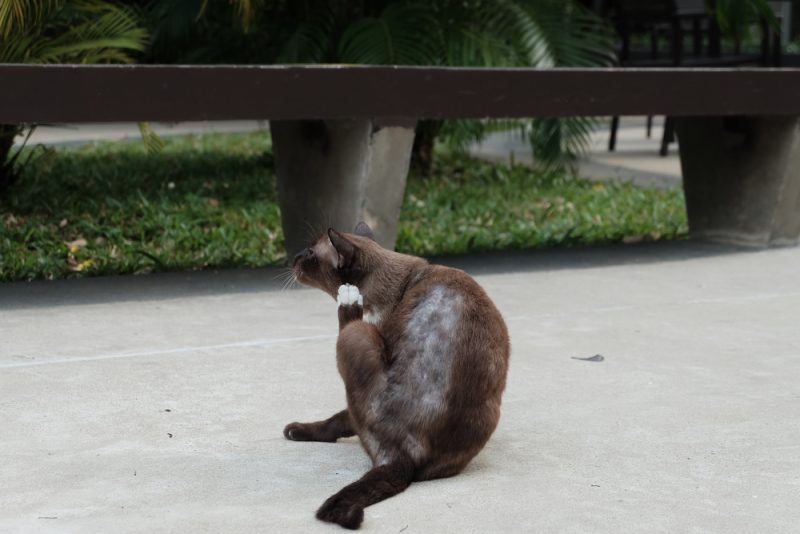
Why does my cat have a bald spot is a question many pet owners ask the moment they spot a patch of missing fur during a cuddle session. A bald spot can look alarming, but it does not always mean something serious is wrong.
Sometimes it is simple overgrooming, and other times it points to fleas, allergies, stress, or an underlying skin condition. Understanding what is behind the hair loss helps you decide whether home care is enough or a vet visit is needed.
Bald spots can show up anywhere on a cat’s body, and the location often gives clues about the cause. Here is a quick overview before we go deeper.
| Cause | Typical Location | Common Sign |
|---|---|---|
| Fleas or mites | Lower back, tail base | Scratching, small scabs |
| Overgrooming from stress | Belly, inner legs | Symmetrical thinning |
| Allergies (food or environmental) | Face, ears, paws | Redness, itching |
| Ringworm (fungal infection) | Ears, head, front legs | Circular, scaly patches |
| Hormonal imbalance | Widespread, symmetrical | Thinning fur, no itching |
| Injury or friction | Localized to one spot | Fur missing near collar or bedding |
| Skin infection | Varies | Flaky or scabbed skin |
| Underlying pain | Near the painful joint or area | Repetitive licking |
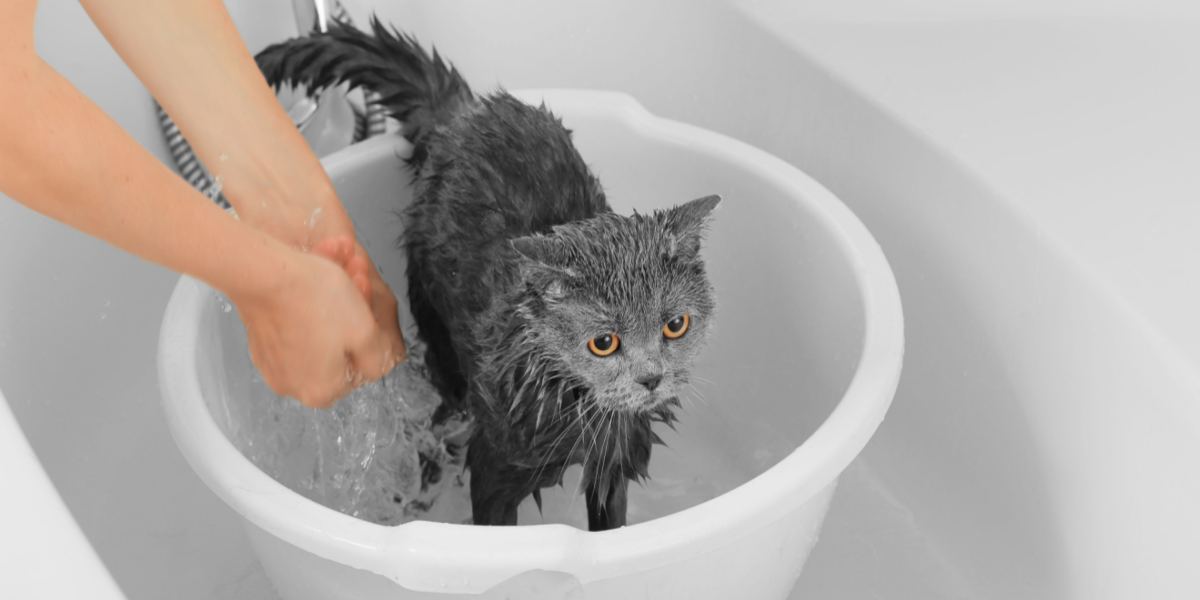
Fleas are one of the most common reasons cats develop bald spots, especially near the lower back and tail base.
Flea saliva can trigger an allergic reaction called flea allergy dermatitis. Even a few bites can cause intense itching, leading your cat to scratch or chew until fur falls out.
Mites and lice can cause similar symptoms. A vet can check a skin scraping to confirm which parasite, if any, is responsible for the hair loss.
Bald spots from fleas can develop within days once a cat starts scratching heavily. The speed often depends on how sensitive the individual cat is to flea saliva.
A prescription-strength flea treatment is usually far more effective than over-the-counter products. Treating the home environment, not just the cat, helps prevent reinfestation.
Cats often lick or groom themselves to cope with stress, and excessive grooming can pull out fur faster than it can regrow.
Grooming releases calming hormones, so anxious cats may over-rely on it as a coping mechanism. This often creates thinning patches on the belly or inner legs.
Moving homes, a new pet, changes in routine, or even rearranged furniture can trigger stress-related overgrooming in sensitive cats.
Cats with true compulsive grooming often lick the same area repeatedly, even when the skin is already irritated. This differs from normal grooming, which is spread evenly across the body.
Reducing stressors, adding enrichment like climbing spaces, and using calming pheromone diffusers can help. Severe cases may need guidance from a vet or behaviorist.
Allergies are a major contributor to hair loss, often paired with visible itching and redness on the skin.
Cats can react to specific proteins in food, seasonal pollen, dust, mold, or flea bites. Each type can trigger similar itching and grooming behavior.
Look for red or inflamed skin, small bumps, or hair loss concentrated around the face, ears, or paws.
Food allergies often cause year-round symptoms, while environmental allergies like pollen may flare seasonally. Both can lead to similar patterns of itching and hair loss.
An elimination diet can help identify food allergies, while antihistamines or prescribed medication can manage environmental triggers. A vet can guide proper testing.
Despite the name, ringworm is not a worm. It is a contagious fungal infection that feeds on keratin in fur, skin, and nails.
The fungus damages hair shafts, causing fur to break off and leaving circular, scaly bald spots, often on the ears, head, or front legs.
Yes. Ringworm can spread between pets and humans through direct contact, so early treatment matters for the whole household.
Vets often use a special light, fungal culture, or microscopic exam of hair samples to confirm ringworm, since it can resemble other skin conditions visually.
Antifungal medication, topical treatments, and thorough cleaning of bedding and surfaces are usually needed to fully clear the infection.
Hormonal issues are a less common but real cause of feline hair loss, often producing widespread, symmetrical thinning rather than a single patch.
Hyperthyroidism and other metabolic conditions can affect coat health, leading to thinning fur without the itching typically seen in allergies or parasites.
Hormonal causes of hair loss are more common in middle-aged and senior cats, making regular checkups especially useful as your cat gets older.
Blood work can identify hormonal imbalances. Treating the underlying condition with medication often improves coat health over time.
Sometimes a bald spot has a simple physical explanation, like repeated rubbing against a collar, furniture, or bedding.
Tight collars, harnesses, or a favorite sleeping spot can wear down fur in one localized area over time.
Friction-related bald spots usually have smooth edges, no redness, and stay the same size unless the cause continues. There is typically no itching involved.
Adjusting or removing the source of friction usually allows fur to regrow naturally within a few weeks.
Bacterial or fungal infections can develop on their own or as a secondary result of allergies, parasites, or overgrooming.
Affected areas often look red, flaky, or scabbed, and may have an unpleasant odor if the infection is more advanced.
Skin infections frequently develop after the skin barrier is already damaged by scratching, allergies, or parasites, which lets bacteria or fungus take hold more easily.
Vets typically prescribe topical or oral antibiotics or antifungals depending on the type of infection found.
Cats often lick or chew areas that hurt, and repeated attention to one spot can wear away the fur there.
A cat with joint pain, arthritis, or internal discomfort may groom a specific area repeatedly in an attempt to soothe it.
Reduced jumping, limping, changes in litter box habits, or reluctance to be touched can all accompany pain-related overgrooming and are worth mentioning to your vet.
Identifying and treating the source of pain, whether through medication or lifestyle changes, usually resolves the excessive grooming behavior.
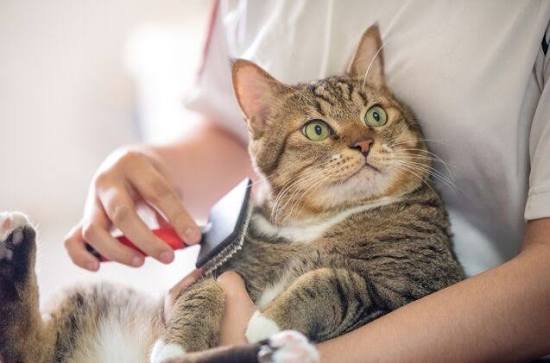
Some bald spots are not a medical issue at all, but simply part of a cat’s natural coat pattern.
Sphynx cats are naturally hairless, while breeds like Devon Rex, Cornish Rex, and even Siamese cats can have naturally thinner coats in certain areas.
If the thinning has always been present, is symmetrical, and is not accompanied by irritation, it is likely just part of your cat’s natural coat.
If you are unsure whether thinning is typical for your cat’s breed, a vet familiar with the breed can confirm what counts as normal for that coat type.
It helps to understand the difference between normal shedding and an actual bald spot, since the two are often confused.
Cats shed more heavily in spring and autumn, but this typically results in thinner overall fur rather than distinct bald patches.
If you notice a defined patch with no fur at all, rather than general thinning, it is worth investigating further as a possible bald spot.
Molting tends to affect the whole coat evenly and grows back on its own, while true bald spots are localized and often need an identified cause before regrowth.
The way your cat acts around the bald spot often gives useful hints about the underlying cause before you even visit the vet.
Frequent licking or chewing at one spot usually points to itching from allergies, parasites, or discomfort rather than a passive cause like friction.
A bald spot with no licking or scratching is more likely linked to hormonal changes, breed traits, or simple friction from bedding or collars.
Increased hiding, reduced appetite, or general irritability alongside hair loss can suggest pain or stress rather than a purely skin-based issue.
Where the bald spot appears on your cat’s body can offer useful clues before your vet visit.
| Location | Possible Cause |
|---|---|
| Lower back and tail base | Fleas or parasites |
| Belly and inner legs | Stress-related overgrooming |
| Ears, head, front legs | Ringworm |
| Face and paws | Allergies |
| Widespread and symmetrical | Hormonal imbalance |
| One localized spot | Friction or injury |
Not every bald spot needs an emergency visit, but some signs should prompt a prompt checkup.
Rapid spreading, open sores, scabbing, unusual odor, or visible discomfort are all reasons to schedule an appointment sooner rather than later.
A stable, non-itchy patch with no redness can often be watched for a short time, especially if a clear cause like friction is identified.
A vet visit usually involves more than a visual check, since many causes can look similar at first glance.
Skin scrapings, fungal cultures, blood tests, and allergy testing are commonly used to pinpoint the exact cause of hair loss.
Treating the wrong cause, like using flea medication for a ringworm infection, wastes time and can allow the real problem to worsen.
Bringing photos of the bald spot over time, along with notes on diet and recent changes, can help your vet reach a diagnosis faster.
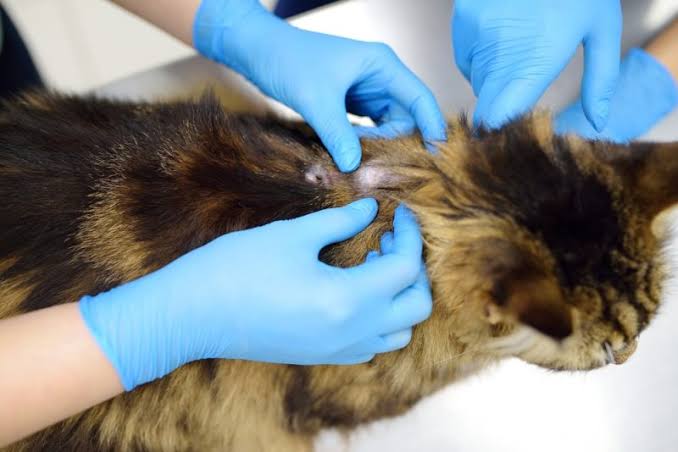
While you wait for a diagnosis or observe a mild case, a few habits can support your cat’s skin and coat health.
Gently keeping the bald spot clean helps prevent secondary infection, especially if the skin looks slightly irritated.
Skip strong shampoos or sprays not made for cats, since they can further irritate sensitive skin.
Take photos over time to track whether the bald spot is growing, shrinking, or staying the same size.
A few misunderstandings can lead owners to delay proper treatment or worry unnecessarily. Clearing these up helps you respond appropriately.
Ringworm is only one of several possible causes. Fleas, allergies, stress, and friction are all just as likely, depending on the location and symptoms.
Many bald spots come from harmless causes like a snug collar or a naturally thinner coat area, not from disease.
While pain can cause overgrooming, plenty of bald spots are painless, especially those linked to breed traits or mild friction.
Fleas and mites can still reach indoor cats through other pets, visitors, or open windows and doors, so prevention still matters.
A few observations at home can make your vet appointment faster and more productive.
Try to recall whether the bald spot appeared suddenly or developed gradually over weeks, since this can help narrow down the cause.
Watch your cat for a day or two to see whether they lick, scratch, or seem bothered by the area.
A neat, defined patch often points to a different cause than widespread, patchy thinning across the body.
Think about any new products, pets, foods, or stressful events that may have started around the same time as the hair loss.
Year-round flea prevention, even for indoor cats, reduces the risk of flea-related hair loss and allergic reactions.
Predictable routines, enough vertical space, and gradual introductions to new pets can lower stress-related overgrooming.
A high-quality diet supports healthy skin and coat, and can help identify food sensitivities if introduced gradually.
Routine visits catch early skin or hormonal issues before they progress into more noticeable hair loss.
Using a soft brush suited to your cat’s coat type helps prevent unnecessary hair breakage while still supporting healthy skin and fur.
Once the underlying cause is addressed, most cats begin showing new fur growth within a few weeks, though the full timeline varies by cause.
Friction-related spots often regrow the fastest, sometimes within two to four weeks. Hormonal or chronic conditions can take several months once treatment begins working.
Look for fine, soft fuzz appearing at the edges of the bald spot first. This is usually a good sign that the underlying issue is improving.
If several weeks pass with no visible improvement after treatment begins, it is worth checking back in with your vet to confirm the diagnosis is correct.
Non-itchy bald spots are more often linked to friction, breed traits, or hormonal issues rather than allergies or parasites.
Yes. Stress-related overgrooming is a common and well-documented cause of bald spots, especially on the belly and inner legs.
No. Ringworm is one possible cause, but fleas, allergies, and stress are equally common explanations for bald patches.
In most cases, yes. Once the underlying cause is treated, fur typically regrows within a few weeks to a couple of months.
Yes. Fleas can enter homes through other pets, clothing, or open doors, so indoor cats are not automatically protected.
If it is not growing, itchy, or irritated, you can monitor it briefly, but persistent or spreading spots should be checked by a vet.
Yes. Food allergies can trigger itching and excessive grooming, which may lead to hair loss over time.
Yes. Ringworm is contagious to other animals and humans, so isolating an infected cat during treatment is often recommended.
Yes. Senior cats can develop thinner coats due to reduced grooming ability or underlying age-related health conditions.
Simple cases like fleas may be obvious quickly, while allergies or hormonal issues can take longer through testing and observation.
Noticing a bald spot on your cat is understandably worrying, but in most cases it is a manageable and fully treatable issue with the right care. A bald spot on your cat can come from many different causes, ranging from harmless friction to fleas, allergies, stress, or underlying medical conditions.
Paying attention to the location, shape, and accompanying symptoms like itching or redness can help narrow down the likely cause before your vet visit. Some bald spots, like breed-related thinning or a spot from a snug collar, resolve on their own once the source is addressed.
Others, such as ringworm or flea allergy dermatitis, need targeted treatment to fully clear up. If the bald spot spreads quickly, looks irritated, or comes with other changes in behavior, a vet visit is the safest next step. With the right diagnosis and proper care, most cats recover a healthy, full coat again.