

Why do I see black spots is a question that sends many people searching the moment a dark speck drifts across their vision. In most cases, these spots are what eye doctors call floaters, tiny shadows cast onto the retina by material inside the eye.
While floaters are usually harmless, black spots can sometimes point to something more serious, especially if they appear suddenly or come with flashes of light.
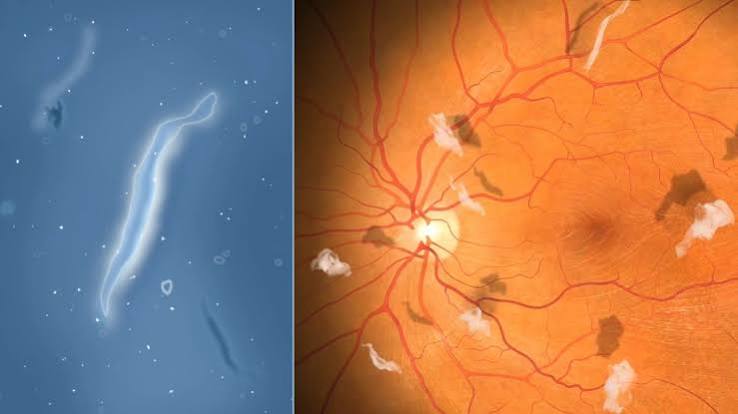
Seeing black spots usually means something inside your eye is casting a shadow onto your retina, the light-sensitive layer at the back of the eye.
These spots can look like dots, threads, cobwebs, or small cloud-like shapes that seem to drift when your eyes move.
Most people notice them more clearly against bright backgrounds, such as a clear sky, a white wall, or a bright screen.
In many cases, these spots are a normal part of aging and are not a sign of a serious problem.
To understand why black spots appear, it helps to know a little about the structure of the eye.
The vitreous humor is a clear, gel-like substance that fills the space between your lens and your retina.
As light passes through the eye, it travels through the vitreous before reaching the retina, where it is converted into signals sent to your brain.
When tiny clumps or strands form within the vitreous, they block small amounts of light and cast shadows on the retina, which appear as floating spots.
There are several possible reasons behind black spots, ranging from normal aging to conditions that need prompt care.
| Cause | What Happens |
|---|---|
| Eye floaters | Small clumps in the vitreous cast shadows on the retina |
| Posterior vitreous detachment | Vitreous pulls away from the retina, increasing floaters |
| Retinal tear or detachment | A break in the retina causes sudden spots and flashes |
| Eye inflammation (uveitis) | White blood cells in the vitreous appear as dark specks |
| Diabetic retinopathy | Damaged blood vessels bleed into the vitreous |
| Migraine with aura | Temporary visual disturbances unrelated to the eye structure |
| Central serous chorioretinopathy | Fluid buildup under the retina affects central vision |
Most of these causes fall into two broad categories: normal age-related changes or conditions that require a closer look from an eye doctor.
Eye floaters are the most common reason people see black spots drifting through their field of vision.
They form from tiny clumps of collagen fibers or cellular debris suspended inside the vitreous gel.
As these clumps move with your eye, they cast changing shadows on the retina, which is why floaters seem to drift rather than stay still.
Floaters are usually more noticeable in bright light and tend to shift away when you try to look directly at them.
Posterior vitreous detachment happens when the vitreous gel gradually pulls away from the surface of the retina.
This is a normal part of aging and becomes increasingly common in adults over the age of fifty.
PVD often causes a noticeable increase in floaters, sometimes along with brief flashes of light in your peripheral vision.
While PVD itself is usually harmless, it can occasionally lead to a retinal tear, which is why sudden changes should always be checked.
Over time, the vitreous gel naturally becomes more liquid, a process known as vitreous syneresis.
As it liquefies, strands of collagen can clump together more easily, creating the shadows that appear as floaters.
This gradual process explains why floaters become far more common as people move into their forties, fifties, and beyond.
Most age-related floaters remain stable and become less bothersome over time as the brain learns to filter them out.
People with nearsightedness tend to experience floaters earlier and more frequently than those with normal vision.
This happens because nearsighted eyes are often slightly longer, which can cause the vitreous to change and separate sooner.
Previous eye surgery, including cataract surgery, can also increase the likelihood of developing floaters at a younger age.
If you are nearsighted and notice new floaters, it is still worth mentioning to your eye doctor at your next visit.
A retinal tear occurs when the vitreous pulls hard enough on the retina to create a small break in the tissue.
If left untreated, a tear can progress to retinal detachment, where the retina separates from the back of the eye.
This is considered a medical emergency, since delayed treatment can lead to permanent vision loss in the affected eye.
Warning signs include a sudden shower of new floaters, flashes of light, or a dark curtain or shadow across part of your vision.
Inflammation inside the eye, known as uveitis, can also cause black spots to appear in your vision.
This happens when white blood cells enter the vitreous as part of the body’s inflammatory response, creating visible specks.
Uveitis can be linked to autoimmune conditions such as lupus or sarcoidosis, though it can also occur without a clear underlying cause.
Along with black spots, uveitis often causes eye redness, pain, and blurred vision that should prompt a prompt eye exam.
People with diabetes are at higher risk of developing black spots due to damage in the small blood vessels of the retina.
Over time, these damaged vessels can leak or bleed into the vitreous, a condition known as vitreous hemorrhage.
This bleeding can appear as a sudden cluster of dark spots, cobwebs, or a reddish tint across the vision.
Anyone with diabetes who notices new dark spots should contact their eye doctor promptly, since early treatment helps protect long-term vision.
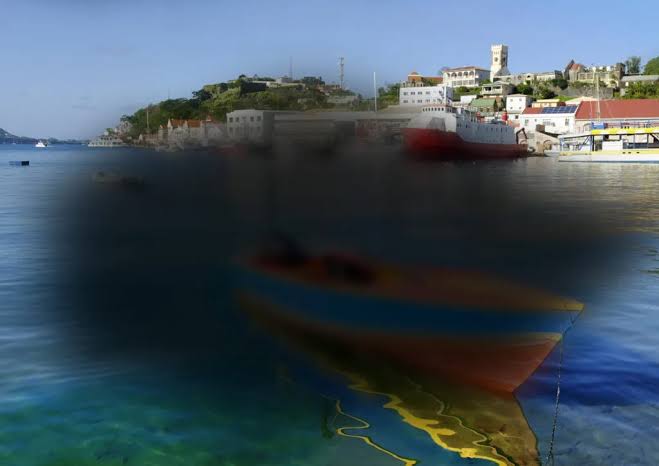
Not all visual disturbances come from the eye itself. Migraines can cause temporary visual symptoms known as visual auras.
These auras can include shimmering spots, zigzag lines, or blind spots that typically last between twenty and sixty minutes.
Unlike floaters, migraine-related spots usually appear in both eyes at once and resolve completely once the aura passes.
If visual disturbances are consistently followed by a headache, migraine with aura is a likely explanation worth discussing with a doctor.
Central serous chorioretinopathy is a less common condition caused by fluid building up underneath the retina.
Unlike typical floaters, this condition tends to cause blurriness, distortion, or a dark area specifically in the center of vision.
It is more frequently seen in middle-aged men and often develops in one eye before potentially affecting the other.
Some cases resolve on their own over a few months, while others may require monitoring or treatment from an eye specialist.
In rare cases, black spots in vision can be linked to more serious underlying conditions.
Certain cancers, including lymphoma and retinoblastoma, can cause dark spots when abnormal cells enter the vitreous.
These cases are uncommon, but they highlight why persistent or unusual visual changes should never be ignored.
A thorough eye exam can help rule out these rarer causes and provide peace of mind or an early diagnosis.
The way black spots appear and behave can offer helpful clues about the underlying cause.
| Symptom Pattern | Possible Meaning |
|---|---|
| Slowly drifting spots, stable over time | Common age-related eye floaters |
| Sudden shower of new spots | Possible posterior vitreous detachment |
| Spots with flashes of light | Warning sign of a retinal tear |
| Dark curtain or shadow | Possible retinal detachment, seek care immediately |
| Spots with eye pain or redness | Possible inflammation or uveitis |
| Spots with headache | Possible migraine with visual aura |
Tracking how your symptoms started and changed can help your eye doctor narrow down the cause more quickly.
While most black spots are harmless, certain warning signs mean you should seek care right away.
A sudden increase in floaters, especially many appearing at once, should never be ignored or delayed.
Flashes of light, particularly new ones you have not noticed before, are another important warning sign.
A shadow or curtain that blocks part of your vision is considered an emergency and needs immediate evaluation.
Diagnosing the cause of black spots usually starts with a detailed conversation about when and how the symptoms began.
Your eye doctor will likely perform a dilated eye exam, which allows a clear view of the retina and vitreous.
Advanced imaging tools may also be used to check for retinal tears, bleeding, or other structural changes in more detail.
This exam not only identifies serious issues but also provides reassurance when the cause turns out to be harmless floaters.
Treatment depends entirely on the underlying cause identified during your eye exam.
| Cause | Typical Treatment |
|---|---|
| Ordinary floaters | Usually monitored; often no treatment needed |
| Retinal tear | Laser treatment or cryotherapy to seal the tear |
| Retinal detachment | Surgical repair, often needed urgently |
| Uveitis | Anti-inflammatory medication or eye drops |
| Diabetic retinopathy | Blood sugar management and possible eye injections |
| Central serous chorioretinopathy | Monitoring, or medication if fluid persists |
Most people with ordinary floaters never need treatment, though severe or persistent cases can sometimes be addressed with a vitrectomy procedure.
For many people, floaters become less noticeable over time even without any specific treatment.
The brain often adapts, gradually filtering out the visual disturbance so it becomes less distracting during daily activities.
Floaters may also shift position within the eye, moving away from your direct line of sight over weeks or months.
Regular eye exams remain important, even for stable floaters, to make sure no new changes develop over time.
A few consistent habits can help support overall eye health and catch problems early.
Scheduling routine eye exams allows your doctor to track changes in the vitreous and retina over time.
Managing conditions like diabetes and high blood pressure helps protect the small blood vessels inside your eyes.
Wearing protective eyewear during sports or high-risk activities can reduce the chance of trauma-related retinal damage.
| Detail | Information |
|---|---|
| Most Common Cause | Eye floaters from vitreous changes |
| Main Structure Involved | Vitreous humor and retina |
| Harmless Pattern | Slow, stable, gradually fading spots |
| Warning Signs | Sudden increase, flashes of light, dark curtain |
| Diagnosis Method | Dilated eye exam and imaging |
| Emergency Cause | Retinal tear or detachment |
Black spots and blind spots are often confused, but they describe two different visual experiences.
Black spots, or floaters, are objects you can see moving within your field of vision, similar to specks drifting past your eye.
A blind spot, on the other hand, is an area where vision is simply missing, without any visible shape moving through it.
Blind spots can be linked to conditions like glaucoma or certain types of migraine, and they are evaluated differently than typical floaters.
Where black spots appear can offer another useful clue about the underlying cause.
Floaters and retinal issues typically affect only one eye at a time, since they involve a specific structural change within that eye.
If black spots appear in both eyes simultaneously, especially alongside other symptoms, a neurological cause such as migraine aura becomes more likely.
Paying attention to whether one or both eyes are affected can help your doctor narrow down the possible explanations more efficiently.
While floaters can technically develop at any age, certain factors make them significantly more likely to appear.
Age remains the single biggest risk factor, with floaters becoming increasingly common after the age of fifty.
Nearsightedness, previous eye trauma, and past eye surgeries such as cataract removal also raise the likelihood of developing floaters earlier in life.
Certain health conditions, including diabetes and high blood pressure, can further increase the risk of vitreous and retinal changes over time.
Many people wonder whether diet or daily habits play a role in preventing or reducing black spots in vision.
While no specific food eliminates floaters entirely, a diet rich in antioxidants can support general eye and retinal health.
Staying hydrated and managing chronic conditions like diabetes and high blood pressure helps protect the blood vessels that supply the retina.
Avoiding smoking is also strongly linked to better long-term eye health, since smoking increases the risk of several retinal conditions.
If you visit a doctor about black spots, a dilated eye exam is usually the first and most important step.
Eye drops are used to widen the pupil, allowing the doctor a much clearer view of the retina and vitreous.
The exam itself is painless, though your vision may be blurry and light-sensitive for a few hours afterward.
This temporary discomfort is a small trade-off for the detailed information a dilated exam provides about your eye health.
Several misconceptions exist around black spots that are worth addressing directly.
One common myth is that all floaters eventually turn into serious eye disease, which is not accurate for most cases.
Another myth is that floaters can be cured with eye exercises or drops, when in reality most cases simply require monitoring.
Some people also assume black spots always mean vision loss, when many floaters have no meaningful impact on overall eyesight at all.
While floaters are far more common in older adults, younger people can experience them too.
In children and younger adults, black spots are more often linked to trauma, high levels of nearsightedness, or eye inflammation.
Because floaters are less expected at a younger age, new spots in children or young adults are usually worth a prompt eye exam.
Early evaluation helps rule out less common causes and ensures any underlying issue is addressed before it affects long-term vision.
A sudden onset is often linked to posterior vitreous detachment, which can increase floaters as the vitreous pulls away from the retina.
No. While floaters are the most common cause, black spots can also signal inflammation, bleeding, or retinal problems.
Worry if spots increase suddenly, appear with flashes of light, or come with a shadow across part of your vision.
Stress itself does not typically cause floaters, but it can trigger migraines, which sometimes cause temporary visual disturbances.
Many floaters become less noticeable over time as the brain adjusts, though they rarely disappear completely.
Yes. Diabetic retinopathy can damage retinal blood vessels, leading to bleeding that appears as dark spots or cobwebs.
A single stable spot is often a harmless floater, but new or changing spots should still be checked by a doctor.
It often appears as a dark curtain or shadow moving across part of your vision, along with sudden floaters and flashes.
Yes. Migraine with aura can cause temporary spots, shimmering lines, or blind areas that usually resolve within an hour.
An eye doctor typically performs a dilated eye exam, sometimes paired with imaging, to check the retina and vitreous closely.
So, why do I see black spots in my vision? For most people, the answer comes down to ordinary eye floaters caused by natural changes in the vitreous as the eyes age. These spots are usually harmless and tend to become less noticeable over time.
At the same time, black spots can occasionally signal something more serious, such as a retinal tear, inflammation, or bleeding linked to diabetes. Sudden changes, flashes of light, or a shadow across your vision are signs that should never be ignored.
If you notice new or worsening black spots, scheduling a dilated eye exam is the safest next step. A proper evaluation can rule out serious causes and give you clarity on what is actually happening inside your eyes.