
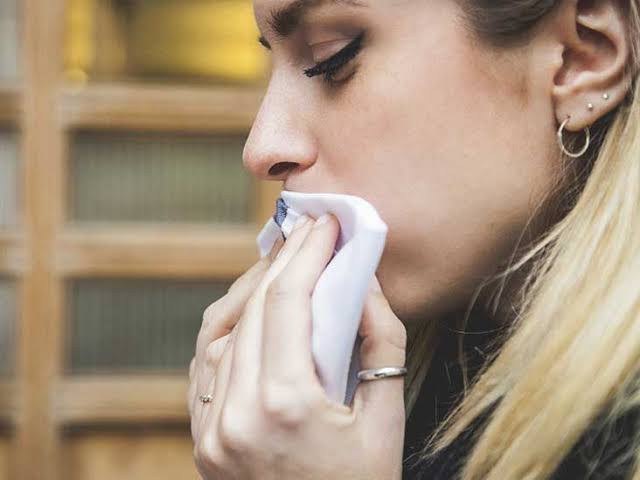
Why is my mouth watering is a question many people search when saliva production suddenly feels out of control. This condition, known medically as hypersalivation or sialorrhea, can happen for simple reasons like smelling food or for more complex reasons tied to digestion, pregnancy, or nerve function.
In most cases, it is harmless and temporary, but sometimes it signals an underlying issue worth checking with a doctor.
Here is a fast overview before we explore the full details.
| Detail | Information |
|---|---|
| Medical term | Hypersalivation or sialorrhea |
| Daily saliva production | About 0.75 to 1.5 liters |
| Common triggers | Food smell, taste, spicy or sour foods |
| Common medical causes | GERD, pregnancy, infections, nerve conditions |
| Usually dangerous? | Rarely, but persistent cases need evaluation |
| When to see a doctor | Lasts weeks, causes swallowing trouble, or comes with other symptoms |

Saliva is produced by three main pairs of glands: the parotid, submandibular, and sublingual glands located around your mouth and jaw.
These glands are controlled by your autonomic nervous system, which operates automatically without conscious thought or effort.
Signals from your brain, triggered by sight, smell, taste, or even memory of food, tell these glands when to increase production.
This is why simply picturing a favorite meal can sometimes trigger a noticeable increase in saliva, even without any food nearby.
Your brain’s limbic system plays a major role in triggering salivary responses tied to emotion, memory, and anticipation of food.
This explains why certain smells or memories, like the scent of freshly baked bread, can trigger mouth watering almost instantly.
Stress and anxiety can also influence this same nervous system pathway, sometimes increasing saliva production during emotionally intense moments.
Understanding this brain-body connection helps explain why mouth watering is not always tied to something physically present in front of you.
Mouth watering happens when your salivary glands produce more saliva than your mouth needs at that moment.
Saliva is made mostly from blood plasma and plays a key role in digestion, taste, and protecting your teeth from bacteria.
Production naturally increases around mealtimes and decreases significantly during sleep, following a normal daily rhythm.
When this rhythm gets disrupted, either through triggers or underlying conditions, you may notice mouth watering happening more often than expected.
Some people notice drooling or mouth watering specifically while sleeping, often due to sleeping position or nasal congestion.
Sleeping on your side or stomach can cause saliva to pool and escape the mouth more easily than sleeping on your back.
Nasal congestion from allergies or a cold can also force mouth breathing at night, which increases the chance of drooling.
In most cases, sleep-related drooling is harmless and simply tied to posture rather than an underlying medical condition.
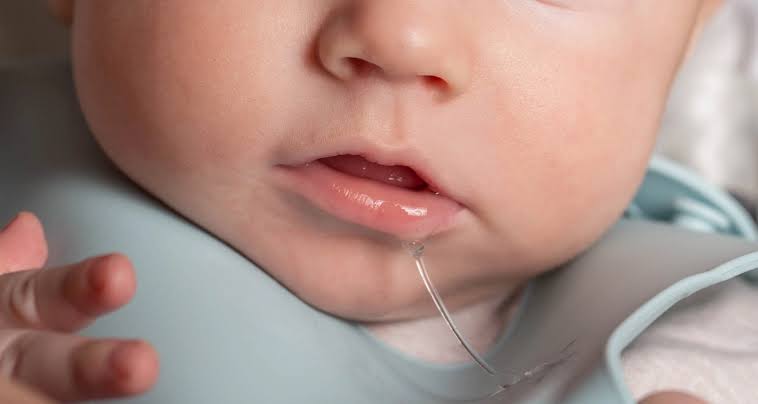
Excessive drooling is common and expected in infants and toddlers, especially during teething when gums become irritated and swollen.
This typically improves naturally as children grow older and gain better control over swallowing and mouth muscles.
Persistent drooling beyond early childhood years may sometimes indicate developmental or neurological concerns worth discussing with a pediatrician.
Parents should track how often and how severely drooling occurs if it continues well past the toddler stage.
Older adults may experience increased mouth watering due to age-related changes in muscle control or swallowing coordination.
Conditions like Parkinson’s disease and stroke, which are more common with age, can significantly affect saliva management.
Ill-fitting dentures can also contribute to excess saliva production or difficulty controlling saliva inside the mouth.
Regular checkups with a doctor or dentist can help identify age-related causes early and guide appropriate treatment.
Certain foods are especially well known for triggering strong salivary responses due to their acidity or intensity of flavor.
Citrus fruits like lemons and limes are among the most common triggers, thanks to their high citric acid content.
Spicy foods containing capsaicin can also stimulate salivary glands as part of the body’s natural response to perceived irritation.
Sour candies and pickled foods are frequently reported as strong mouth-watering triggers due to their sharp, acidic taste profiles.
The most common reason your mouth waters is simply seeing, smelling, or even thinking about food you enjoy.
This is a normal reflex controlled by your brain and nervous system in preparation for eating and digestion.
Spicy, sour, or citrus-heavy foods are especially known for triggering a stronger salivary response than milder foods.
Chewing gum can also stimulate ongoing saliva production, since the chewing motion itself signals your glands to stay active.
Temporomandibular joint disorders, often called TMJ, can affect jaw alignment and the muscles involved in swallowing.
This misalignment sometimes makes it harder to keep saliva properly contained, leading to a sensation of excess mouth watering.
People with TMJ disorders may also experience jaw pain, clicking sounds, or difficulty fully opening and closing their mouths.
Treating the underlying TMJ issue often helps reduce saliva-related symptoms alongside the jaw pain itself.
Seasonal allergies and sinus congestion can indirectly increase saliva production by forcing more frequent mouth breathing.
Postnasal drip, common during allergy season, can also combine with saliva to create a sensation of excess wetness in the mouth.
Treating the underlying allergy or sinus issue, whether through medication or lifestyle changes, often reduces this related symptom.
Staying on top of seasonal allergy treatment can meaningfully reduce mouth watering tied to nasal congestion.
One common myth is that mouth watering always signals a serious illness, when in reality most cases are completely harmless.
Another myth suggests that only unhealthy people experience hypersalivation, though pregnancy and simple food triggers affect otherwise healthy individuals regularly.
Some people also believe drinking less water reduces saliva production, but proper hydration actually helps regulate normal salivary function.
Separating these myths from medical facts helps people respond appropriately instead of unnecessarily worrying about a common bodily reflex.
While everyday triggers explain most cases, several medical conditions can also lead to noticeably excessive saliva production.
Understanding these causes helps you figure out whether your symptom is simply situational or something that needs closer attention.
Gastroesophageal reflux disease is one of the most common digestive causes of excessive mouth watering.
When stomach acid rises into the esophagus, your body increases saliva production to help neutralize the acid and protect your throat tissue.
This often occurs alongside heartburn, a sour taste in the mouth, or a burning sensation in the chest.
Many pregnant women experience increased saliva production, especially during the first trimester, due to hormonal shifts in the body.
This condition is known as ptyalism gravidarum and typically resolves on its own after childbirth.
Mouth watering frequently occurs right before or during episodes of nausea, since the body prepares for possible vomiting.
This connection is why people often notice a sudden rush of saliva just before feeling sick to their stomach.
Mouth infections, cavities, and swollen gums can all irritate the salivary glands and lead to temporary increases in saliva.
Once the underlying infection or dental issue is treated, saliva production typically returns to normal levels.
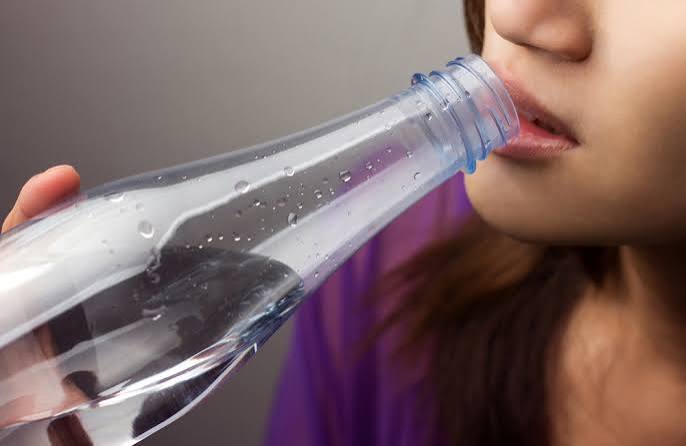
Conditions like Parkinson’s disease, stroke, cerebral palsy, and multiple sclerosis can affect muscle control involved in swallowing.
This often causes saliva to pool in the mouth rather than being swallowed normally, creating the sensation of excess watering.
Certain medications, including some anticonvulsants and drugs affecting the nervous system, list increased salivation as a possible side effect.
If you suspect a medication is causing this, do not stop taking it without first speaking with your doctor.
In rare cases, exposure to certain toxins, venomous bites, or poisonous mushrooms can trigger a sudden and severe increase in saliva.
This type of hypersalivation usually comes with other alarming symptoms and requires urgent medical attention.
Keeping a simple daily log of when mouth watering occurs can help you and your doctor identify patterns more easily.
Note details like time of day, recent meals, stress levels, and any accompanying symptoms such as nausea or heartburn.
This information can be especially useful if your doctor suspects a connection to GERD, pregnancy, or a neurological condition.
Tracking symptoms over one to two weeks often reveals patterns that are difficult to notice day to day, especially when triggers overlap with meals, stress, or sleep changes.
Eating slowly and chewing thoroughly can help regulate digestion and reduce reflux-related saliva increases over time.
Avoiding late-night meals gives your digestive system time to settle before lying down, reducing nighttime reflux symptoms.
Limiting caffeine and alcohol intake can also help, since both are known to relax the muscles that normally prevent acid reflux.
Practicing good sleep hygiene, including sleeping on your back when possible, can reduce drooling linked to nighttime saliva pooling.
For people managing long-term conditions like Parkinson’s disease, ongoing hypersalivation may require a ongoing combination of therapy and medication.
Speech therapists can sometimes help improve swallowing coordination, reducing the buildup of saliva throughout the day.
Support groups and patient communities can also provide practical coping tips from others managing similar chronic symptoms.
Working closely with a healthcare team ensures treatment adjusts appropriately as symptoms change over time.
The table below separates common causes into temporary situations versus longer-lasting or chronic conditions.
| Type | Examples |
|---|---|
| Temporary causes | Pregnancy, infections, cavities, spicy food, nausea |
| Persistent causes | Parkinson’s disease, stroke, multiple sclerosis, chronic GERD |
| Medication-related | Certain anticonvulsants and nervous system drugs |
| Rare urgent causes | Venom exposure, poisonous mushrooms, heavy metal toxicity |
Many people notice mouth watering right before they feel nauseous, and this is a well-documented bodily reflex.
The body increases saliva production partly to protect the esophagus and teeth in case vomiting actually occurs.
This reflex can be triggered by motion sickness, food poisoning, pregnancy, migraines, or even strong emotional stress.
If nausea and mouth watering occur together frequently, it may be worth identifying the specific trigger with a healthcare provider.
Persistent hypersalivation can affect self-confidence, particularly in social settings or professional environments where drooling feels embarrassing.
Some people avoid speaking in public or eating around others due to fear of visible saliva or drooling episodes.
Addressing the underlying cause, whether medical or lifestyle-related, often improves both physical symptoms and emotional wellbeing.
Speaking openly with a doctor about these social concerns can help guide a more complete and supportive treatment plan.
In most cases, mouth watering is uncomfortable or embarrassing rather than medically dangerous.
However, when it becomes persistent, it can lead to complications like chapped lips, skin irritation, or difficulty speaking clearly.
Constant drooling and hypersalivation can also affect a person’s confidence and social interactions over time.
In rare situations tied to poisoning or serious neurological conditions, excessive saliva can signal a more urgent health concern.
You should consider seeing a doctor if excessive mouth watering lasts for more than a few weeks without an obvious cause.
Difficulty swallowing, along with excess saliva, is another important sign that should prompt a medical evaluation.
Drooling combined with symptoms like pain, breathing difficulty, or sudden neurological changes should be treated as urgent.
If you cannot identify any clear reason for your symptoms, a healthcare provider can help investigate underlying causes.
Several simple strategies can help manage mild or occasional mouth watering without medical intervention.
Staying hydrated encourages more regular swallowing, which can help prevent saliva from building up uncomfortably in the mouth.
Chewing sugar-free gum can help regulate swallowing patterns, especially for people dealing with pregnancy-related salivation.
Avoiding strong triggers like very spicy, sour, or citrus-heavy foods can also reduce the frequency of sudden saliva spikes.
| Remedy | How It Helps |
|---|---|
| Drinking water | Encourages regular swallowing and reduces buildup |
| Sugar-free gum | Regulates natural swallowing rhythm |
| Ice chips | Soothes glands and reduces sudden saliva surges |
| Smaller, frequent meals | Reduces digestive triggers linked to GERD |
| Avoiding trigger foods | Limits spicy, sour, or acidic stimulation |
Before your appointment, write down when your symptoms started and whether anything seems to trigger them consistently.
List any current medications, supplements, or recent illnesses, since these can all play a role in salivary gland function.
Mention any related symptoms, such as heartburn, jaw pain, swallowing difficulty, or changes in taste, even if they seem unrelated.
Being thorough during this conversation helps your doctor narrow down the cause more quickly and recommend effective treatment.
If you visit a doctor for persistent hypersalivation, they will typically start by reviewing your medical history and current medications.
They may examine your mouth, throat, and jaw to rule out infections, dental issues, or structural problems affecting swallowing.
In some cases, further testing may be needed to check for neurological conditions or digestive issues like GERD.
Identifying the exact underlying cause allows for a more targeted and effective treatment plan.
Treatment depends heavily on the underlying cause identified during diagnosis, rather than a single universal fix.
For GERD-related cases, doctors often recommend dietary changes, acid-reducing medications, or lifestyle adjustments to reduce reflux episodes.
For neurological causes, treatment may include medications that reduce saliva production or therapies that improve swallowing coordination.
In more severe or chronic cases, doctors may recommend specialized procedures targeting the salivary glands directly.
The table below summarizes the main points covered throughout this guide for quick reference.
| Point | Summary |
|---|---|
| Most common cause | Food-related triggers like smell, taste, or spicy dishes |
| Common medical cause | GERD, pregnancy hormones, or infections |
| Rare urgent cause | Poisoning or toxin exposure requiring immediate care |
| Best first step | Track symptoms and note any accompanying signs |
| When to act | Symptoms lasting weeks or affecting swallowing |
Maintaining good oral hygiene can reduce infection-related triggers that contribute to occasional excess saliva production.
Managing stress through relaxation techniques may also help, since anxiety can worsen conditions like acid reflux and TMJ-related symptoms.
Eating balanced meals at regular intervals helps stabilize digestion and reduces sudden spikes tied to hunger or acid buildup.
Regular dental checkups can catch small issues, like cavities or gum disease, before they contribute to ongoing salivation problems. Combining these small habits often makes a noticeable difference over just a few weeks of consistent effort.
Sudden mouth watering is often linked to food triggers, nausea, acid reflux, or hormonal changes. Persistent cases may need medical evaluation.
Yes, increased saliva during early pregnancy is common and known as ptyalism gravidarum. It usually resolves after childbirth.
Yes, GERD is one of the most common causes. Extra saliva helps neutralize acid rising into the esophagus.
Yes, saliva often increases right before nausea or vomiting as a protective reflex for your throat and teeth.
See a doctor if it lasts weeks, causes swallowing trouble, or comes with pain or neurological symptoms.
Yes, some anticonvulsants and nervous system medications list increased salivation as a side effect. Talk to your doctor before stopping any medication.
Yes, conditions like Parkinson’s disease, stroke, and multiple sclerosis can affect swallowing and cause saliva to pool.
Try drinking water, chewing sugar-free gum, avoiding trigger foods, and eating smaller, more frequent meals.
Usually not, but it can be uncomfortable. Rare causes like poisoning or serious neurological issues need urgent care.
Yes, stress can affect your nervous system and worsen conditions like acid reflux, indirectly increasing saliva production.
Why is my mouth watering usually comes down to something simple, like smelling delicious food, feeling nauseous, or experiencing early pregnancy hormones. In many cases, it is a normal bodily reflex that resolves on its own without any treatment.
However, persistent hypersalivation tied to acid reflux, medications, or neurological conditions may require medical attention to identify the true underlying cause. Paying attention to accompanying symptoms, like swallowing difficulty or pain, can help you decide when it is time to see a doctor rather than manage it at home.
Simple strategies like staying hydrated, chewing sugar-free gum, and avoiding strong trigger foods can help manage mild cases effectively. If your symptoms persist or worsen, don’t hesitate to consult a healthcare provider for a proper diagnosis and personalized treatment plan. Tracking your symptoms beforehand can make that conversation faster and more productive, helping you get relief sooner rather than later.