
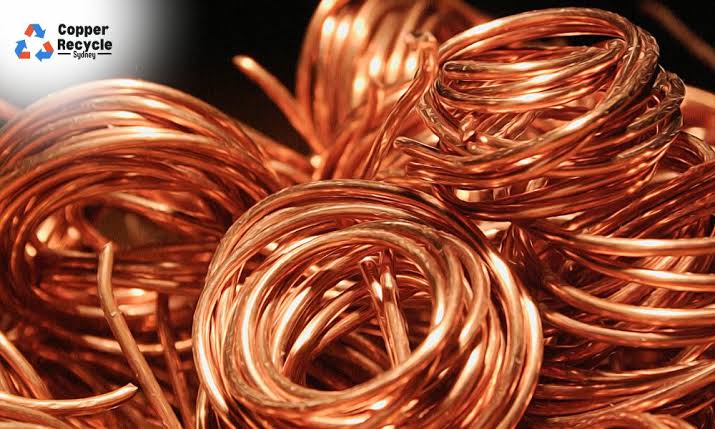
The conversation started besides a skip bin. Not exactly the place you’d expect to hear people talking about resource management. A couple of electricians were cleaning up after finishing work on a renovation project. Offcuts of cable were piled neatly to one side. Old wiring removed from the building sat in a separate container.
One apprentice looked at the pile and asked where it all ended up. The answer was simple. “Most of it gets recycled.” The apprentice nodded. Then came another question. “Is it really worth that much?”
The older tradesman smiled. “More than people think.” That exchange stuck with me because it sums up how many people view copper recycling. Most know it exists. Most understand it has something to do with scrap metal. But that’s usually where the conversation ends. The reality is a bit more interesting than that.
It’s everywhere. Inside walls. Under roads. Running through office buildings. Connecting homes to power and communication networks. You probably walked past copper several times today without noticing. Most of us do.
The funny thing is that people tend to pay attention to copper only when it’s being installed or removed. That’s usually when copper recycling enters the picture. A renovation starts. A building gets upgraded. Old materials come out. Suddenly something that spent years hidden from view becomes visible again.
There’s no grand moment. No dramatic beginning. A lot of copper recycling starts during ordinary site clean-ups. Workers separate materials. Old cable gets placed in one pile. Other waste goes somewhere else. That’s it. Simple.
Yet those small decisions determine whether valuable material gets recovered or lost. On busy sites, it would be easy to throw everything together and move on. Most experienced tradespeople know that’s not the smartest option.
Because sometimes it creates the wrong impression. People hear “scrap” and imagine something useless. Something finished. Something with no value left.
But many materials collected through copper recycling still have plenty of life remaining in them. They’ve simply reached the end of one use. That’s different.
A copper cable removed from an old building may no longer serve that particular project. The material itself remains valuable. The story isn’t over. Just changing direction.
Anyone who spends enough time around construction projects starts noticing how much material moves through a site. Some gets installed. Some doesn’t. Some gets removed during upgrades. Some gets replaced during renovations.
That’s one reason Copper recycling has become such a normal part of many projects. The amount of recoverable material can be significant. Not every offcut looks important. Collect enough of them and the picture changes.
Most people never see this part. The material leaves the site. A truck picks it up. End of story. Or at least that’s what it looks like. The reality behind copper recycling continues long after collection. Materials get sorted. Processed.
Prepared for future use. Eventually, recycled copper finds its way back into products people use every day. Electrical systems. Infrastructure. Equipment. The copper keeps moving. Most people simply don’t notice it happening.
There was a time when many companies focused mainly on disposal. Get rid of unwanted material. Move on. Now the conversation is often different. Many businesses look more closely at what they’re throwing away.
That’s helped drive interest in copper recycling across a range of industries. The question isn’t always “How do we dispose of this?” Sometimes it’s “Can this still provide value?” That’s a different mindset altogether.
Not every improvement comes from a major policy change. Sometimes it’s much simpler than that. A contractor sets aside copper rather than mixing it with general waste. A worker spends an extra few minutes sorting materials.
A project manager includes recycling in site planning. Those choices don’t feel particularly important in the moment. Yet they help make copper recycling possible. One decision on its own doesn’t change much. Thousands of similar decisions across different sites start adding up.
Some materials wear out and eventually disappear from use. Copper tends to stick around. That’s one reason copper recycling remains important. The material can often be recovered and used again rather than starting the process from scratch.
A piece of copper removed from a building today might eventually become part of something completely different. Maybe electrical infrastructure. Maybe industrial equipment. Maybe another building. Most people never know where it ends up. They just know the material remains useful.
The apprentice eventually went back to work. The conversation ended. The pile of old cable remained where it was, waiting to be collected. From a distance it didn’t look particularly valuable. Just leftover material from another construction job.
That’s probably the interesting thing about copper recycling from Union Metal Recycling. A lot of it happens quietly. No big announcements. No dramatic transformations happening in front of people. Just ordinary materials being collected, processed and given another purpose.
Most people never see the full journey. They only see the beginning and the end. Yet between those two points, something important happens. Materials that could have been discarded remain useful. Resources stay in circulation.
And a pile of old copper sitting beside a skip bin becomes part of something new instead of becoming part of the waste stream.