

Why is my sewer bill so high is one of the most searched utility questions, especially right after a bill arrives that looks nothing like last month’s.
A sudden spike can feel confusing since sewer charges are usually based on water usage rather than a flat monthly rate. In most cases, the cause is a hidden leak, a change in household habits, or a shift in your utility’s rate structure.
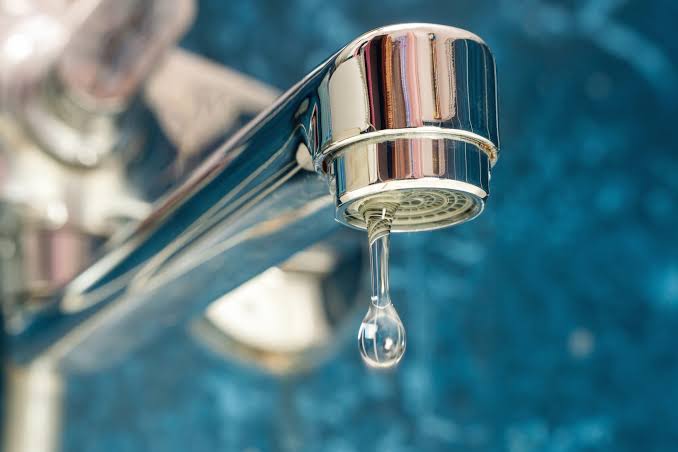
Most utility companies calculate your sewer charge based on the amount of water that goes down your drains, not a separate meter for wastewater.
Since it’s difficult to measure wastewater directly, providers estimate it using your incoming water usage, often measured in units called MCF, or 1,000 cubic feet.
This means any increase in water consumption, whether from a leak or a change in habits, directly increases your sewer bill as well.
Some utilities use a fixed multiplier, charging sewer fees as a percentage of your water bill, while others calculate wastewater volume independently using historical usage patterns.
Understanding exactly which method your provider uses can help you predict how a change in water habits will affect your next bill.
A running or leaking toilet is one of the most frequent causes of a sudden sewer bill increase, and it often goes unnoticed for weeks.
A worn-out flapper valve can let water continuously trickle from the tank into the bowl without ever triggering a visible overflow.
This constant, silent water loss adds up fast and can significantly raise both your water and sewer charges before you even realize there’s a problem.
Some running toilets waste as much as 200 gallons of water per day, which can easily add hundreds of dollars to a single billing cycle if left unrepaired.
A slowly dripping faucet may seem minor, but even a small drip can waste dozens of gallons of water every single day.
Water heaters can also develop leaks around valves or tank seams, quietly adding wastewater to your sewer bill without any obvious signs inside your home.
Checking under sinks and around your water heater regularly can catch these leaks before they cause a major bill spike.
Placing a dry paper towel under connections and fittings once a month is a quick, low-effort habit that can reveal slow leaks long before they become a bigger, more expensive problem.
Leaks in underground pipes between your home and the street are harder to detect since they rarely create visible puddles or damage indoors.
Soggy patches of lawn, unusual odors, or unexplained increases in your water bill can be signs of this type of hidden leak.
These leaks typically require a professional plumber to locate and repair, since they’re located below ground and out of sight.
In some cases, tree roots can grow into aging sewer pipes and cause slow, ongoing leaks that gradually worsen over months, making early detection especially valuable.
An average shower uses roughly two gallons of water per minute, meaning a thirty-minute shower can send around sixty gallons straight into your sewer system.
If multiple people in your household enjoy long showers, this water use adds up quickly across an entire billing cycle.
Simply shortening shower times or installing a low-flow showerhead can noticeably reduce this portion of your bill.
Setting a visible timer in the bathroom or switching to a showerhead rated for lower flow can cut water use substantially without requiring any real change in daily routine.
Each load of laundry can use between fifteen and thirty gallons of water, even with a modern high-efficiency washing machine.
Running the dishwasher frequently, especially with partial loads, adds additional wastewater that gets billed the same way as any other drain usage.
Washing full loads only and choosing efficient appliance settings can help reduce this contribution to your sewer bill.
Older washing machines, particularly top-loading models without high-efficiency ratings, can use significantly more water per cycle than newer front-loading alternatives, adding up considerably over a month of regular use.
An additional person living in the home can increase daily water consumption significantly, sometimes by well over a hundred liters per day.
Guests staying for an extended period, gatherings, or a new roommate can all noticeably raise your household’s total water usage.
This increase shows up directly on your sewer bill, since more water going down the drain means a higher wastewater charge.
If your household size has changed recently, whether through a new roommate, a returning college student, or a longer visit from family, it’s worth factoring that into your expectations for the next few bills.
Watering the lawn, running sprinklers, or filling a pool can dramatically increase your total water usage, especially during warmer months.
Some utilities offer a separate irrigation meter that isn’t billed for sewer service, since that water doesn’t go down household drains.
Without this separate meter, all outdoor water use gets counted toward your sewer charge even though it never actually enters the sewer system.
This is one of the most commonly overlooked reasons for a high bill, especially for homeowners with large lawns, gardens, or pools who assume their sewer charge only reflects indoor water use.
Water use naturally rises during summer months due to more showers, laundry, and outdoor activities like gardening or filling pools.
Comparing your current bill to the same period last year, rather than just the previous month, gives a clearer picture of whether the increase is seasonal or a real problem.
If your bill is significantly higher than the same season last year, it’s a stronger signal that something beyond normal seasonal use is happening.
Keeping a simple record of your monthly bills over a full year makes these seasonal comparisons far easier and helps you spot genuine anomalies much faster.
Utility companies periodically raise rates to cover the rising cost of maintaining aging infrastructure and treatment facilities.
These increases can happen even if your household’s water usage hasn’t changed at all from the previous billing period.
Checking your utility’s website or recent notices can confirm whether a rate change, rather than a leak, is behind your higher bill.
Utility rate hikes are often announced months in advance through mailed notices or public meeting announcements, so reviewing recent correspondence from your provider can quickly rule this out as a cause.
Some billing periods rely on an estimated reading rather than an actual meter check, which can create a temporary spike once actual usage is later reconciled.
If a previous estimate was too low, the difference gets added to a later bill, making it appear unusually high even though usage was normal.
Contacting your utility provider to request an actual meter reading can clarify whether this is the reason behind your bill increase.
Requesting a copy of your past twelve months of usage history is also a useful way to spot patterns and confirm whether a single bill is truly an anomaly or part of a longer trend.
Treating wastewater requires more advanced, expensive infrastructure than simply delivering clean drinking water to your home.
Sewer lines also rely on gravity and must be built at a specific grade, while water pipelines can follow the terrain more flexibly and sit at shallower depths.
These added construction and treatment costs are the main reason sewer rates are frequently set higher than water rates on your combined utility bill.
Understanding this cost difference can help explain why even modest increases in water use translate into a noticeably larger jump on the sewer portion of your bill.
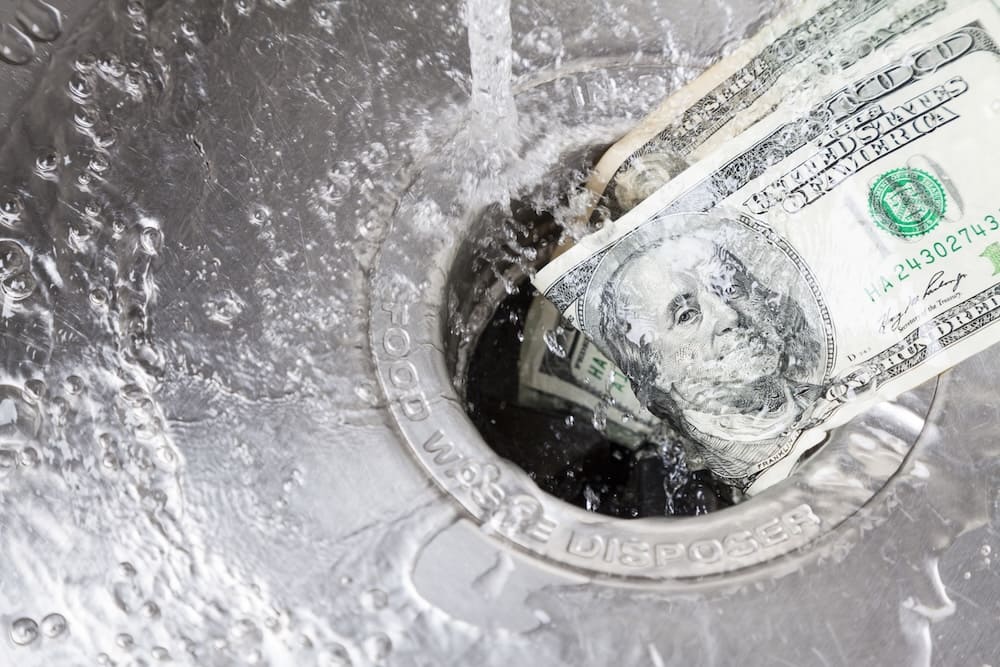
This portion reflects the actual clean water delivered to your home, measured directly by your water meter each billing cycle.
It typically appears as a straightforward per-gallon or per-unit rate based on your metered consumption.
This charge estimates the wastewater leaving your home, usually calculated using the same water usage number rather than a separate measurement.
Because it’s based on an estimate tied to water use, any spike in water consumption shows up here just as strongly as it does on the water charge.
Most utility bills include a flat base fee covering system maintenance, regardless of how much water you actually use.
This fee stays consistent even during months of low usage, which is why bills rarely drop to zero even for vacant properties.
Understanding that this base fee exists separately from usage-based charges can help you interpret exactly how much of a bill increase came from higher water use versus a fixed cost.
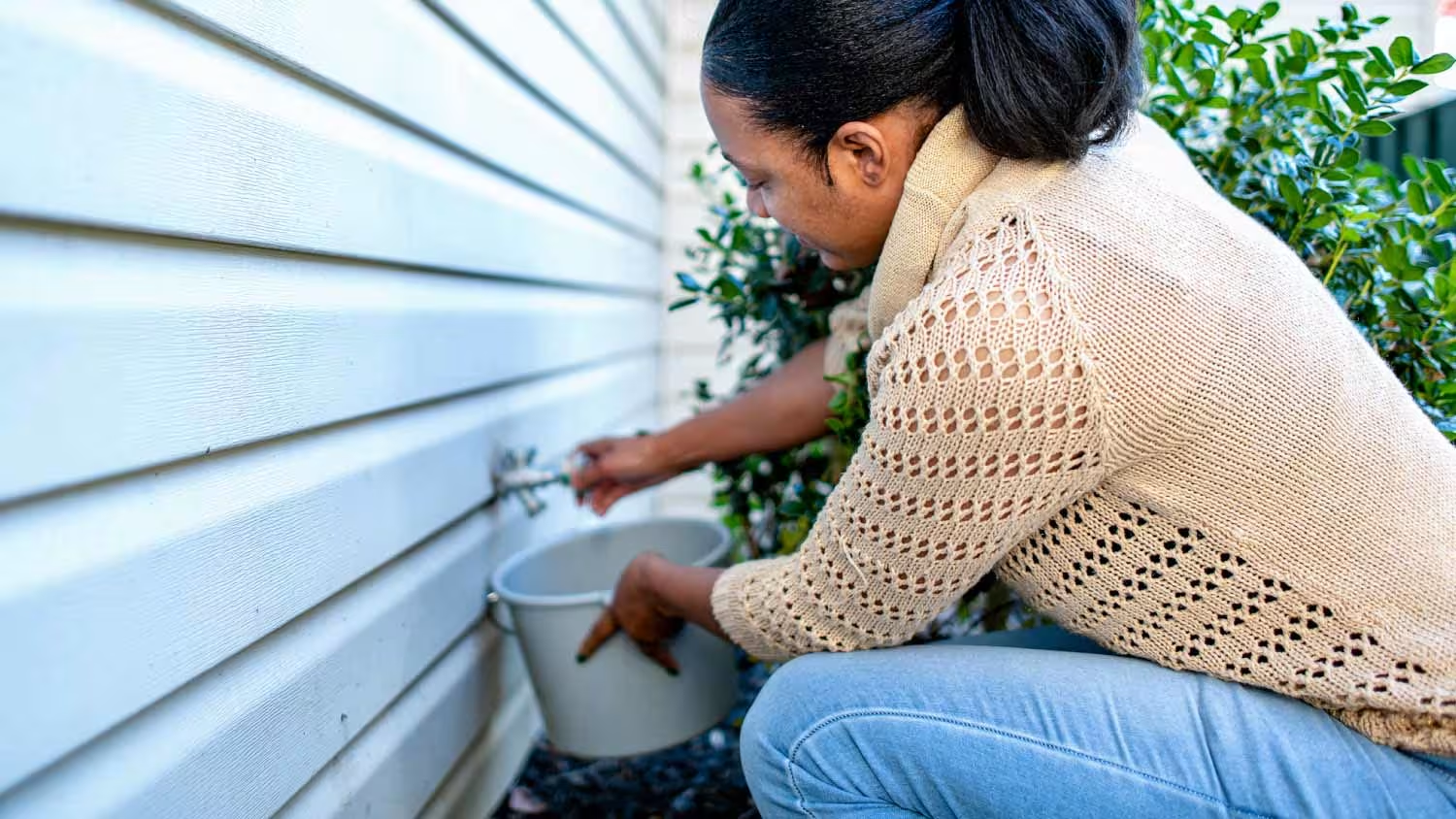
Homeowners are typically responsible for repairing leaks anywhere on their property, including pipes between the street and the house.
Renters should report suspected leaks to their landlord or property manager immediately, since plumbing repairs usually fall under the owner’s responsibility.
In shared or multi-unit buildings, a single unit’s leak can sometimes affect a shared meter, making it worth discussing unusual charges with building management.
This is especially common in older apartment complexes where plumbing systems were not designed with individual unit metering in mind.
Some utilities calculate your annual sewer charges using an average of your water usage during the winter months, when outdoor irrigation is minimal.
This method is meant to prevent summer watering habits from inflating your year-round sewer bill unfairly.
If your winter usage was unusually high due to a leak, that inflated average could raise your sewer charges for the entire following year.
This makes it especially important to fix leaks quickly during winter months, since the resulting higher average could otherwise affect your bill long after the leak itself has been repaired.
While leaks are a frequent cause, rate increases, seasonal changes, and billing corrections can also explain a higher-than-usual bill.
Checking your usage history before assuming a leak can save you an unnecessary plumbing call.
Sewer charges are almost always tied directly to metered water usage, not a flat, unchanging rate.
This means any reduction in water consumption typically leads to a lower sewer bill as well.
Unless you have a dedicated irrigation meter, outdoor water use is usually billed as though it went down the drain.
This is a common source of confusion for homeowners with large lawns or gardens who don’t realize irrigation is included in their sewer calculation.
| Fix Type | Example | Typical Cost | Impact Speed |
|---|---|---|---|
| Quick fix | Replacing a toilet flapper | Low cost | Immediate |
| Quick fix | Shortening shower times | No cost | Immediate |
| Long-term fix | Installing low-flow fixtures | Moderate cost | Gradual, ongoing |
| Long-term fix | Repairing underground pipe leaks | Higher cost | Immediate once repaired |
| Long-term fix | Adding a separate irrigation meter | Moderate cost | Ongoing, seasonal |
| Household Type | Typical Monthly Sewer Bill | Signs of a Problem |
|---|---|---|
| Single occupant | $40–$60 | Bill doubles without explanation |
| Family of four | $60–$90 | Sudden spike over $100 |
| Home with irrigation | $70–$120 | High usage even in off-season |
| Property with a leak | $100+ | Bill rises steadily each cycle |
Add a few drops of food coloring to your toilet tank and wait about fifteen minutes without flushing to see if color appears in the bowl.
Turn off all faucets and appliances in your home, record your water meter reading, wait a few hours without using any water, and check the meter again.
If the meter number has changed despite no water use, this confirms a leak somewhere in your plumbing system that needs professional attention.
Fixing leaks as soon as they’re discovered is the single most effective way to bring a high sewer bill back down quickly.
Installing low-flow showerheads, faucet aerators, and efficient toilets reduces the amount of water used throughout your entire home.
Running the dishwasher and washing machine only with full loads maximizes efficiency and reduces unnecessary wastewater charges.
Asking your utility provider about a separate irrigation meter can prevent outdoor water use from being billed as sewer service.
Reviewing your bill each month and comparing it to the same period last year helps you catch problems early before they become expensive.
Setting up a leak alert or usage notification through your utility provider’s online portal can flag unusual spikes automatically, often before your paper bill even arrives.
Replacing older appliances like washing machines and dishwashers with high-efficiency models can meaningfully reduce your household’s overall water and sewer costs over time.
If your leak test shows a problem but you can’t locate the source, a licensed plumber can use specialized tools to pinpoint hidden leaks quickly.
Persistent high bills despite no obvious change in household habits often point to an underground leak that requires professional excavation and repair.
Many utility providers also offer bill adjustment programs for verified underground leaks, so it’s worth contacting them once the issue is repaired.
A professional inspection often includes acoustic leak detection, pressure testing, and camera inspection of sewer lines, giving a clear picture of exactly where water is escaping.
Getting quotes from a few licensed plumbers before committing to a major repair, like a sewer line replacement, can help you avoid overpaying for the fix.
Asking whether a warranty is included on the repair work can also protect you from paying twice if the same issue resurfaces later.
| Habit Change | Estimated Water Savings | Effect on Sewer Bill |
|---|---|---|
| Shorter showers (5 min less) | 10 gallons per shower | Noticeable monthly reduction |
| Fixing a running toilet | Up to 200 gallons per day | Major bill reduction |
| Full laundry loads only | 5–10 gallons per load | Small but steady savings |
| Low-flow showerhead install | 2.5 gallons per minute saved | Consistent long-term reduction |
| Separate irrigation meter | Varies by usage | Removes outdoor water from sewer charge |

A hidden leak or a billing correction from a previous estimate are the most common causes. Checking your toilet and water meter is a good first step.
Yes, most utilities calculate sewer charges using your water meter readings. More water use means a higher sewer bill.
Treating wastewater is more expensive than delivering clean water. This is why sewer rates are often set higher.
Yes, a running toilet can waste up to 200 gallons per day. This adds up quickly across a billing cycle.
Yes, unless you have a separate irrigation meter. Outdoor water use often gets billed as if it went down the drain.
Use the food coloring test for toilets and monitor your meter overnight. Any unexpected change indicates a leak.
Yes, additional occupants increase total water usage. This directly raises your sewer charge as well.
Yes, rates can rise due to infrastructure costs. Checking your utility’s rate notices can confirm this.
Contact a licensed plumber for professional leak detection. They have tools to locate leaks you can’t see.
Many utilities offer adjustments for verified underground leaks. Contact your provider once the leak is repaired.
A high sewer bill almost always comes down to how much water flows through your drains, whether that’s from a hidden toilet leak, longer showers, more laundry, outdoor irrigation, or simply more people living in the home.
Rate increases and billing estimate corrections can also cause a spike even when your habits haven’t changed at all. The good news is that most causes are fixable: checking for leaks with a simple food coloring test, monitoring your water meter, and making small efficiency changes can bring your bill back down quickly.
If a leak test comes back positive but you can’t find the source, a licensed plumber can track it down before it costs you even more. Staying proactive about checking your bill each month is the easiest way to catch problems early and keep your sewer charges under control. A little routine attention now can save a significant amount of money and stress down the line.