
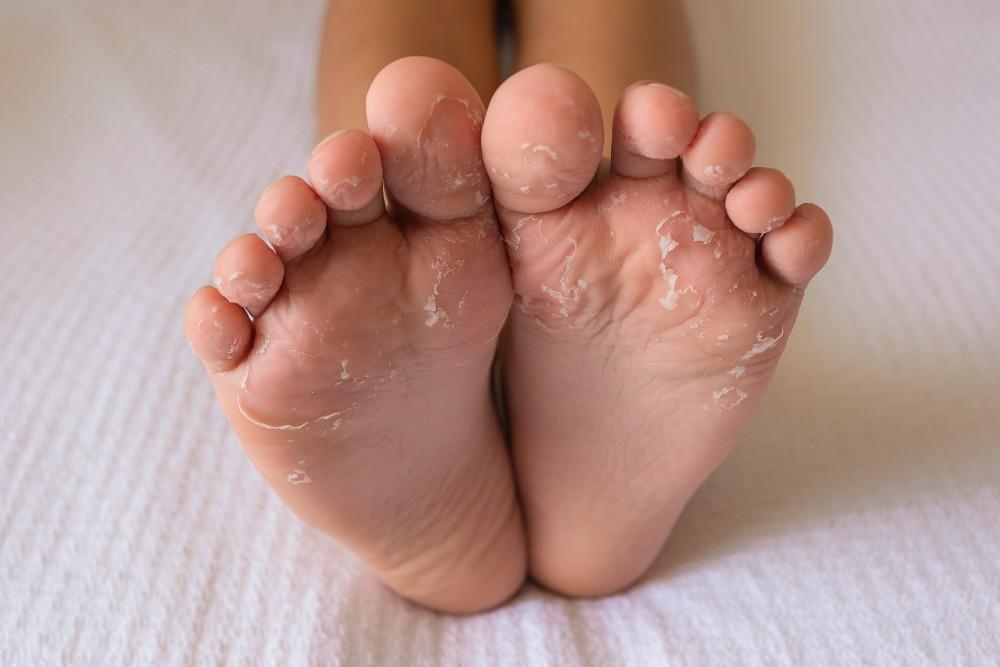
Why is my feet peeling more than usual, even though nothing seems to have changed in your routine? Peeling skin on the feet is extremely common, and in most cases, it comes down to something simple like dry skin, sun exposure, or friction from shoes.
However, peeling combined with itching, redness, or a bad odor can point to a fungal infection like athlete’s foot, or in some cases, an underlying skin condition such as eczema or psoriasis.
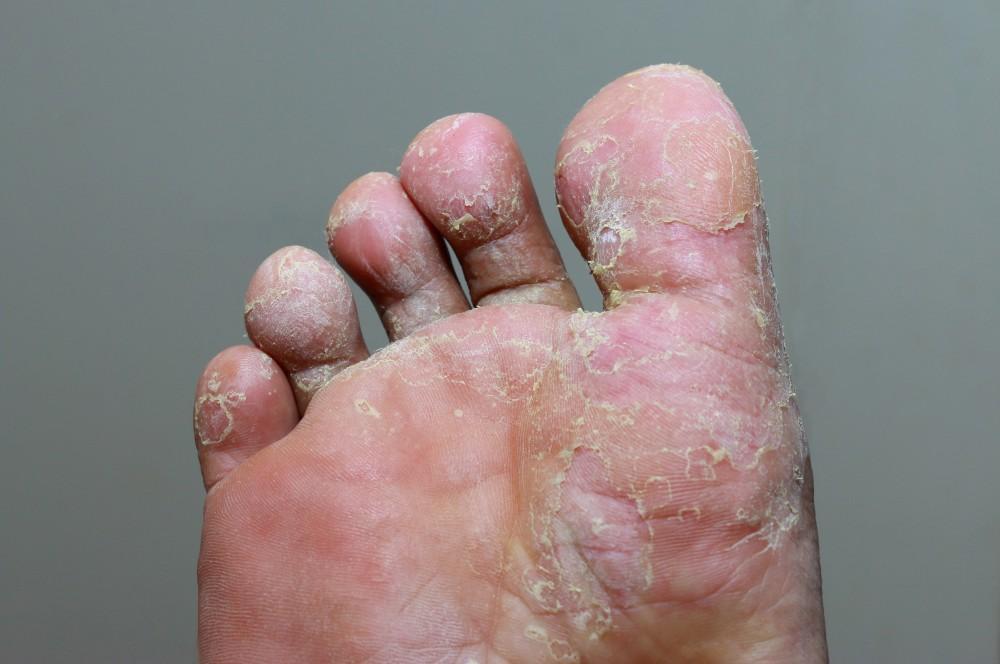
Peeling occurs when the outer layer of skin, called the epidermis, sheds faster than normal or loses its ability to hold moisture. This can happen in small flakes or larger sheets, depending on the cause.
The location of the peeling often gives useful clues, since peeling between the toes points toward different causes than peeling on the heels or soles.
Understanding the pattern of your peeling is the first step toward identifying the right treatment.
Since these two causes are the most common and most often confused, here is a side-by-side comparison to help you tell them apart.
| Feature | Dry Skin | Fungal Infection |
|---|---|---|
| Common location | Heels, soles | Between toes, sides of feet |
| Itching | Mild or none | Often intense |
| Odor | None | Frequently foul-smelling |
| Redness | Rare | Common |
| Spread | Stays localized | Can spread to other areas |
| Contagious | No | Yes |
Dry skin, medically known as xerosis, is one of the leading causes of peeling feet. It develops when the skin barrier cannot retain enough moisture to stay smooth and intact.
Hot showers, low humidity, dehydration, and cold weather are all common triggers that strip moisture from the skin.
Regular moisturizing and avoiding overly hot water can significantly reduce dry skin peeling over time, especially when combined with a fragrance-free lotion applied right after bathing while the skin is still slightly damp.
Several everyday habits can accelerate moisture loss and worsen peeling on the feet.
Athlete’s foot is a fungal infection that thrives in warm, moist environments like locker rooms, public showers, and sweaty shoes. It is one of the most common causes of peeling that includes itching and odor.
The infection often starts as small blisters or cracked skin between the toes before spreading to the soles.
Antifungal creams, sprays, or powders, combined with keeping feet dry, are the standard first-line treatment, and most mild cases clear up within two to four weeks of consistent use.
Understanding how this infection spreads can help you avoid catching or passing it on.
| Transmission Route | Risk Level |
|---|---|
| Walking barefoot in public showers | High |
| Sharing socks or shoes | High |
| Sweaty, non-breathable footwear | Moderate |
| Direct skin contact with an infected person | Moderate |
| Dry, well-ventilated shoes | Low |
Eczema, also called atopic dermatitis, is a chronic skin condition that causes the immune system to overreact to normally harmless triggers. This overreaction leads to inflammation, cracking, and peeling.
Flare-ups can be triggered by allergens, stress, heat, or certain fabrics and detergents.
Fragrance-free moisturizers and, in more severe cases, prescription topical treatments can help manage eczema-related peeling, especially when applied consistently as part of a daily skincare routine.
Psoriasis is a chronic autoimmune condition that speeds up the skin cell turnover rate, leading to thick, scaly patches that can crack and peel. It commonly affects the soles of the feet along with elbows and knees.
Unlike simple dry skin, psoriasis patches tend to be more defined, thicker, and may have a silvery scale appearance.
Since psoriasis is a lifelong condition, ongoing management with a dermatologist is usually necessary for long-term control, and treatment plans may include topical steroids, light therapy, or systemic medications for more severe cases.
Sunburned skin peels as part of the natural healing process, and the tops of the feet are an often-overlooked area during sunscreen application. Vacationers and beachgoers are especially prone to this type of peeling.
Peeling from sunburn usually appears within a few days after sun exposure and can be accompanied by redness and tenderness.
Cool compresses, aloe vera, and staying out of direct sun can help the skin heal without further irritation.
Diabetes can affect blood flow and nerve function in the feet, which sometimes leads to dry, cracked, or peeling skin. Poor circulation reduces the skin’s ability to repair itself efficiently.
People with diabetes are also at higher risk of slow-healing wounds and infections if peeling skin cracks open.
Daily foot checks and prompt treatment of any skin changes are especially important for people managing diabetes, since even minor cracks can become serious if left unnoticed.
Hyperhidrosis causes the feet to sweat far more than necessary, which can soften and weaken the skin barrier over time. This constant moisture makes the skin more prone to peeling, blistering, and fungal infections.
Moisture-wicking socks and breathable shoes can help manage symptoms and reduce peeling caused by excess sweat.
In more severe cases, a doctor may recommend prescription antiperspirants or other targeted treatments, including in-office procedures for people whose sweating significantly impacts daily life.
Shoes that are too tight, too loose, or poorly ventilated can create friction that leads to blisters, calluses, and eventual peeling once the skin heals. This is a purely mechanical cause rather than a medical condition.
Reviewing your footwear for proper fit and adequate padding can prevent much of this type of peeling.
Rotating shoes and allowing them to fully dry between uses also reduces friction-related skin damage.
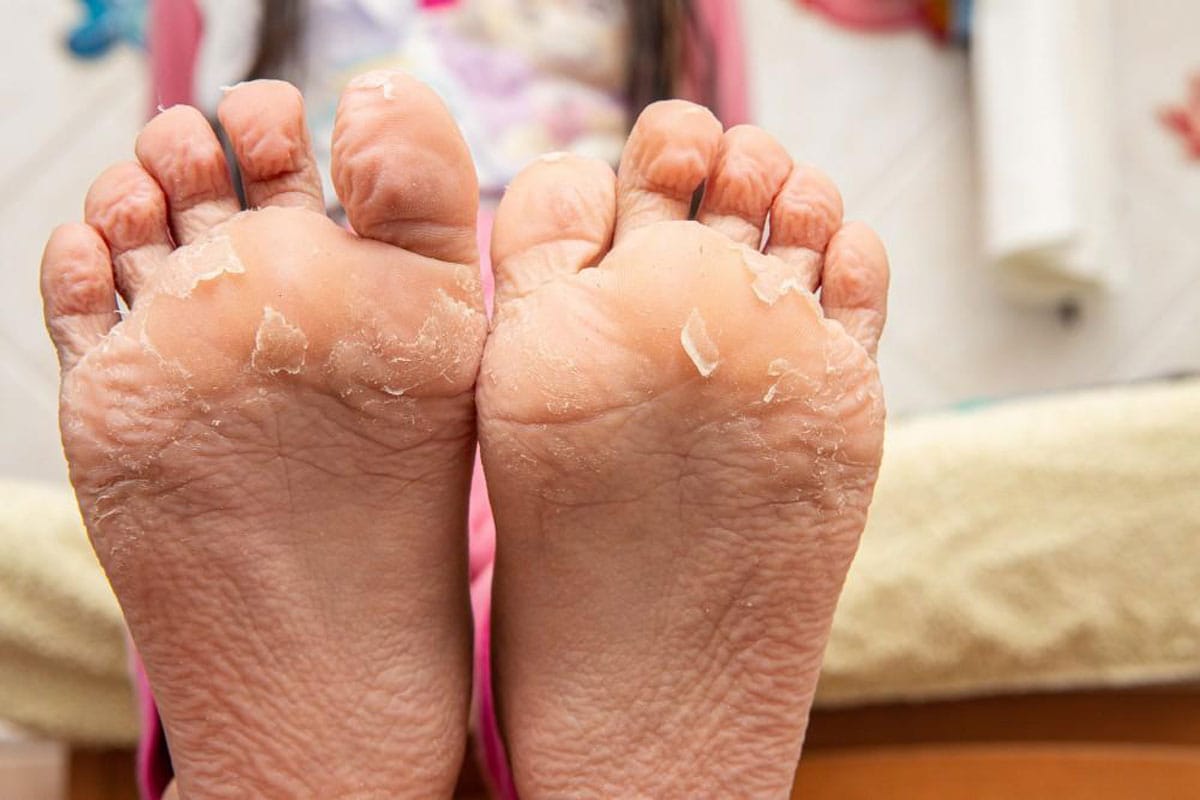
Peeling can also result from an allergic reaction to soaps, detergents, certain fabrics, or new skincare products applied to the feet. This is known as contact dermatitis.
Symptoms typically include redness, itching, and peeling that appears shortly after exposure to the irritant.
Identifying and avoiding the triggering product usually resolves the peeling within a few days.
Corns and calluses form when skin thickens in response to repeated pressure or friction, often from shoes or walking patterns. As the thickened skin naturally sheds, it can appear as peeling.
These are generally harmless but can become painful if left untreated or if pressure continues.
Proper footwear and, if needed, professional removal by a podiatrist can prevent recurring corns and calluses, particularly for people who spend long hours standing or walking daily.
The table below summarizes the primary differences between the most frequent causes discussed above.
| Cause | Itching | Odor | Contagious | Chronic |
|---|---|---|---|---|
| Dry skin | Mild | No | No | Can recur |
| Athlete’s foot | Yes | Yes | Yes | Can recur |
| Eczema | Yes | No | No | Yes |
| Psoriasis | Sometimes | No | No | Yes |
| Sunburn | Rare | No | No | No |
| Contact dermatitis | Yes | No | No | No |
Peeling rarely occurs completely on its own. Noticing other symptoms can help you and your doctor pinpoint the exact cause faster.
Most peeling resolves with simple home care, but some situations call for professional evaluation.
| Warning Sign | Recommended Action |
|---|---|
| Peeling lasts more than 2 weeks despite treatment | See a podiatrist or dermatologist |
| Signs of infection like pus or warmth | Seek medical care promptly |
| You have diabetes and notice skin changes | Schedule a foot exam |
| Peeling spreads rapidly or worsens | Consult a doctor |
| Severe pain or difficulty walking | Seek medical attention |
Many mild cases of peeling can be managed effectively at home with consistent care.
Prevention largely comes down to protecting the skin barrier and reducing exposure to common triggers. Moisturizing daily, especially after showers, helps lock in hydration before it evaporates.
Choosing well-fitted, breathable shoes and rotating footwear reduces both friction and fungal risk simultaneously.
Applying sunscreen to the tops of your feet during outdoor activities is a frequently overlooked but important preventive step.
What you eat and drink can directly affect how well your skin retains moisture and repairs itself. Dehydration is a known contributor to dry, peeling skin all over the body, including the feet.
Foods rich in healthy fats, such as avocados and fish, support the skin’s natural barrier function.
Staying consistently hydrated throughout the day is one of the simplest ways to reduce peeling caused by dryness.
If home treatment does not resolve the peeling, a podiatrist or dermatologist can perform a focused evaluation to identify the exact cause. This typically starts with a visual exam and a review of your footwear and daily habits.
In some cases, a simple skin scraping test can confirm or rule out a fungal infection quickly.
Additional testing may be recommended if an underlying condition like diabetes or an autoimmune disorder is suspected.
The exact location of peeling can be a helpful diagnostic clue on its own. Different areas of the foot are prone to different underlying causes.
| Location | Most Likely Cause |
|---|---|
| Between the toes | Athlete’s foot, excess moisture |
| Soles of the feet | Dry skin, psoriasis, friction |
| Heels | Dry skin, cracked heels, calluses |
| Tops of the feet | Sunburn, contact dermatitis |
| Sides of the feet | Ill-fitting shoes, fungal infection |
Matching the location to the symptom pattern can speed up an accurate self-assessment before deciding whether home care or a doctor’s visit is the right next step.
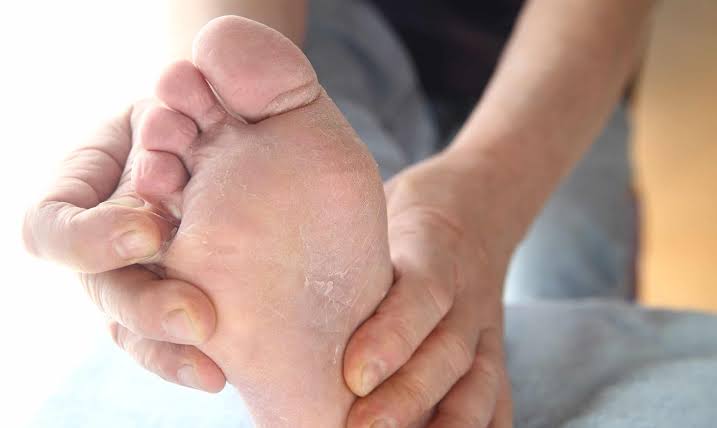
Peeling feet often follow a seasonal pattern, since both very cold and very hot conditions strip moisture from the skin in different ways. Winter air tends to be dry and low in humidity, which pulls moisture directly from exposed skin.
Summer heat increases sweating, which can soften skin and make it more vulnerable to fungal growth and friction-related peeling.
Adjusting your foot care routine by season, using heavier moisturizers in winter and breathable socks in summer, can reduce peeling year-round.
Children can experience peeling feet for many of the same reasons as adults, though frequent barefoot play and swimming pool visits raise their exposure to fungal infections. Juvenile plantar dermatosis, a condition causing shiny, cracked, peeling skin on the soles, is also more common in kids.
This condition is often linked to sweaty feet combined with synthetic, non-breathable socks and shoes.
Switching to cotton socks and well-ventilated shoes often improves symptoms within a few weeks.
Some viral illnesses, including hand-foot-and-mouth disease and scarlet fever, can cause skin peeling on the feet as part of the recovery process. This type of peeling typically appears one to two weeks after the fever has resolved.
The peeling is usually painless and resolves on its own without specific treatment.
If peeling after an illness is accompanied by new rashes or fever return, a doctor should be consulted to rule out complications.
Building a simple, consistent foot care routine can prevent most peeling before it starts. Small daily habits add up to noticeably healthier skin over time.
A few common misconceptions can lead people to choose the wrong treatment for their peeling feet.
| Myth | Fact |
|---|---|
| Peeling always means the skin is dirty | Peeling is usually about moisture, not cleanliness |
| Only athletes get athlete’s foot | Anyone exposed to warm, moist environments can get it |
| Peeling always needs a prescription | Many cases resolve with simple home care |
| More soap prevents fungal infections | Harsh soap can worsen dryness and irritation |
Painless, non-itchy peeling is usually caused by dry skin, sunburn, or friction from shoes. Itchy peeling more often points to a fungal infection or eczema.
Dry skin peeling is usually mild and odorless, while fungal peeling often comes with itching, redness, and a foul smell. A doctor can confirm with a quick skin test if unsure.
Yes, deficiencies in vitamins like B3, B7, or zinc can sometimes contribute to dry, peeling skin. A balanced diet or supplements can help if a deficiency is confirmed.
Peeling from dry skin, eczema, or sunburn is not contagious, but peeling caused by athlete’s foot is. Avoid sharing socks, shoes, or towels if a fungal infection is suspected.
For dry skin, a thick, fragrance-free moisturizer with ingredients like urea or shea butter works well. For fungal peeling, an over-the-counter antifungal cream is more effective.
Yes, diabetes can reduce circulation and nerve function in the feet, leading to dryness and peeling. Daily foot checks are recommended for people managing diabetes.
Peeling specifically between the toes is a classic sign of athlete’s foot due to trapped moisture in that area. Keeping the area dry and using antifungal treatment usually resolves it.
Mild dry skin peeling often improves within a week of consistent moisturizing. Fungal infections may take two to four weeks of antifungal treatment to fully clear.
Yes, high stress levels can weaken the skin barrier and trigger flare-ups of conditions like eczema. Managing stress alongside skincare can improve peeling symptoms.
You should see a podiatrist if peeling lasts more than two weeks, spreads rapidly, or comes with pain, pus, or swelling. People with diabetes should seek care sooner for any skin changes.
For most people, peeling feet is a temporary and manageable issue that responds well to consistent moisturizing and proper footwear choices. Once the underlying trigger, whether dryness, friction, or a mild fungal infection, is addressed, skin typically returns to normal within a few weeks.
Chronic conditions like eczema, psoriasis, or diabetes-related skin changes may require ongoing management rather than a one-time fix.
Staying consistent with daily foot care and seeking professional guidance when peeling persists gives the best chance of keeping feet healthy long term, comfortable, and free from recurring flare-ups.
Peeling feet are usually nothing to worry about and often trace back to dry skin, sun exposure, friction from shoes, or a mild fungal infection like athlete’s foot. Conditions such as eczema, psoriasis, and diabetes can also play a role, especially when peeling is chronic or comes with other symptoms.
Paying attention to where the peeling occurs, whether it itches, and if there is any odor can help you identify the likely cause before treating it at home. Daily moisturizing, breathable footwear, and prompt antifungal treatment when needed resolve most cases within a couple of weeks.
If peeling persists, spreads, or comes with signs of infection, a podiatrist or dermatologist can provide an accurate diagnosis and the right treatment plan to get your feet back to normal.