
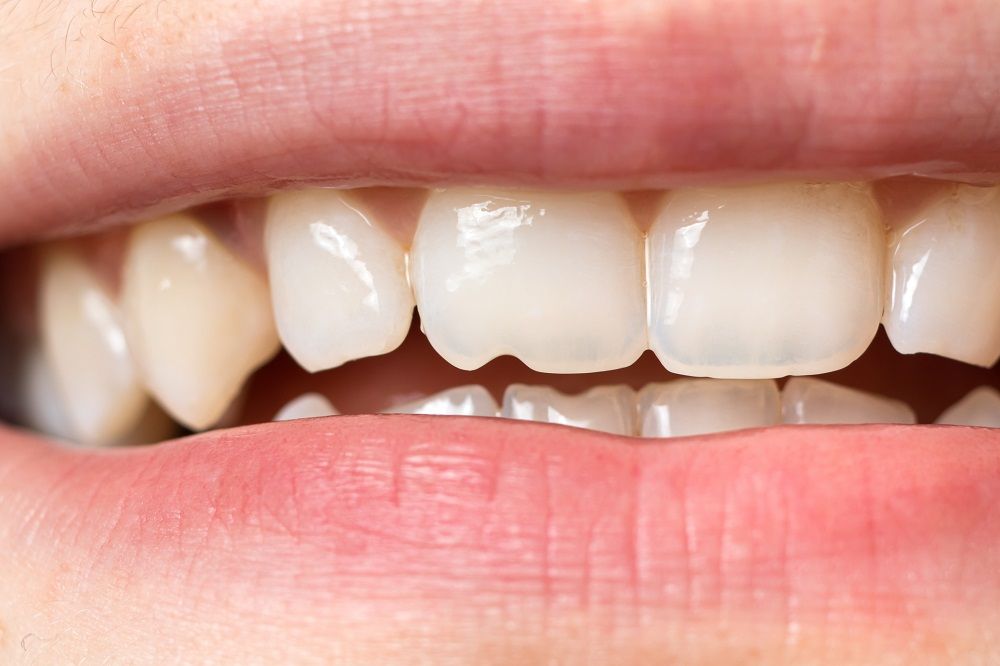
Why are my teeth transparent is a question many people ask after noticing a glassy, see-through edge on their front teeth. It can be surprising the first time you spot it in the mirror.
In most cases, this transparency is an early visible sign of enamel erosion. The good news is that catching it early gives you far more options to protect your smile.
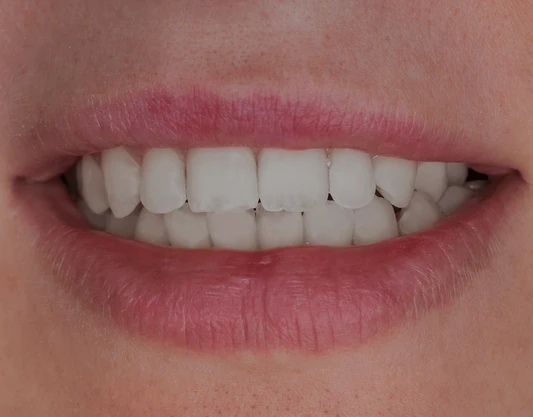
Teeth are not naturally see-through. Transparency usually appears at the incisal edge, which is the biting tip of your front teeth.
This happens when the outer enamel layer thins and allows light to pass through to the dentin below.
The table below gives a fast snapshot of the main causes before we explore each one in detail.
| Category | Common Triggers | Reversible? |
|---|---|---|
| Diet and Habits | Acidic foods, soda, overbrushing | No, but preventable |
| Medical Conditions | GERD, celiac disease, bulimia | Manageable with treatment |
| Genetic Factors | Enamel hypoplasia | Not reversible |
| Mechanical Wear | Bruxism, teeth grinding | Preventable with a night guard |
Enamel is the hard, protective outer layer of every tooth. Beneath it sits dentin, a naturally yellow layer that shows through when enamel gets thin.
When enamel erodes, light passes through the edge of the tooth, creating a glassy or bluish look.
This is most visible at the incisal edges of the upper and lower front teeth. It often appears gradually, so many people notice it slowly over months or years.
Several factors can wear down enamel and cause this see-through effect. Some are related to diet and habits, while others involve underlying health conditions.
Understanding your specific cause helps guide the right treatment plan.
Citrus fruits, soda, wine, and vinegar-based dressings are highly acidic. Frequent exposure gradually wears away the enamel surface.
Even sugar-free carbonated drinks can weaken enamel over time.
Stomach acid that reaches the mouth can quietly erode enamel, especially during sleep. This condition, called GERD, is a hidden but common cause of enamel loss.
People with chronic reflux should mention this to their dentist.
Repeated vomiting exposes teeth to strong stomach acid. Over time, this severely thins the enamel, especially on the inner surfaces of front teeth.
Medical and dental support together give the best outcome here.
This is a genetic condition causing underdeveloped or thin enamel from birth. People with this condition often have naturally brittle, translucent teeth.
It cannot be prevented, but it can be managed with dental treatment.
Celiac disease can affect enamel formation, especially in children. Studies show a notable percentage of pediatric celiac patients also show enamel hypoplasia.
Oral symptoms can sometimes be an early clue toward diagnosis.
Saliva contains calcium, phosphorus, and bicarbonate, which protect enamel. Reduced saliva flow removes this natural defense system.
Certain medications, including antihistamines, can contribute to dry mouth.
Grinding teeth together creates constant mechanical pressure on enamel. Over time, this wears down the biting edges and thins the enamel layer.
A night guard is one of the most effective prevention tools.
Brushing too hard, or using stiff bristles, can physically erode enamel. This is a habit many people do not realize is harmful.
Switching to a soft-bristled brush and gentle pressure helps protect enamel.
Enamel needs specific vitamins and minerals to stay strong. A diet lacking calcium, vitamin D, or phosphorus can weaken enamel over time.
Balanced nutrition supports long-term dental health.
Tetracycline antibiotics, when used during early tooth development, can affect enamel formation. Some medications also cause dry mouth as a side effect.
Always tell your dentist about any medications you take regularly.
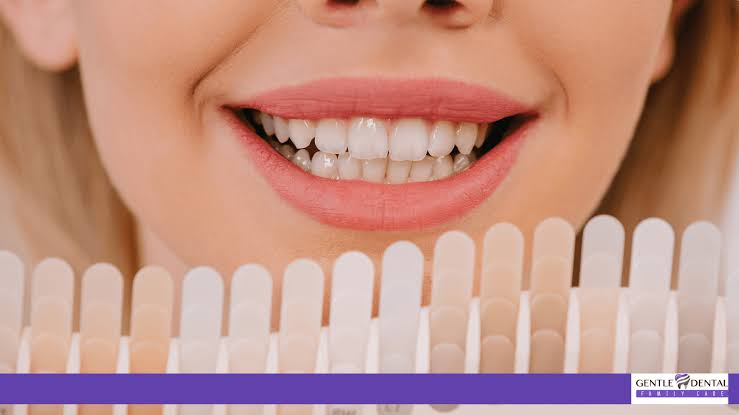
Transparent edges are often the first visible sign, but other symptoms can appear alongside it. Recognizing these early helps prevent further damage.
The table below highlights the most important warning signs.
| Sign | What It May Indicate |
|---|---|
| Transparent or glassy edges | Enamel thinning at the incisal edge |
| Increased sensitivity to hot or cold | Dentin exposure |
| Yellowing of teeth | Enamel loss revealing dentin color |
| Rough or uneven edges | Chipping from weakened enamel |
| Visible cracks or pits | Advanced enamel erosion |
When enamel thins, the dentin underneath becomes more exposed. This often leads to sharp sensitivity with hot, cold, or sweet foods.
Sensitivity is frequently one of the earliest noticeable symptoms.
As enamel wears away, teeth can look more yellow. This happens because dentin’s natural yellow tone becomes more visible.
Color change often develops gradually alongside transparency.
Thin enamel is more prone to small chips and rough spots. You may feel this with your tongue before you notice it visually.
Chipping is a sign that enamel loss has progressed further.
Enamel does not regenerate once it is lost. Unlike bone, enamel has no living cells capable of repairing significant damage.
However, remineralization can strengthen and protect the enamel that remains.
| Question | Answer |
|---|---|
| Can enamel grow back | No, enamel loss is permanent |
| Can transparency worsen without treatment | Yes, without changes it often progresses |
| Can remineralization help | Yes, it strengthens remaining enamel |
| Can cosmetic treatment restore appearance | Yes, through bonding, veneers, or crowns |
While lost enamel cannot return, you can protect and reinforce what remains. Small daily habits make a meaningful difference over time.
Fluoride helps remineralize enamel and makes it more resistant to acid. Using it twice daily is one of the simplest protective steps.
Ask your dentist about in-office fluoride treatments for extra protection.
Calcium is a core building block for strong enamel. Dairy products, leafy greens, and fortified foods are good dietary sources.
Supplements may help if your diet falls short.
Drinking water supports healthy saliva production. This helps naturally rinse away acids and sugars throughout the day.
Staying hydrated also reduces the risk of dry mouth.
Reducing frequency, not just quantity, of acidic foods helps protect enamel. Using a straw for acidic drinks can also reduce contact with teeth.
Rinsing with water after acidic meals is a simple extra step.
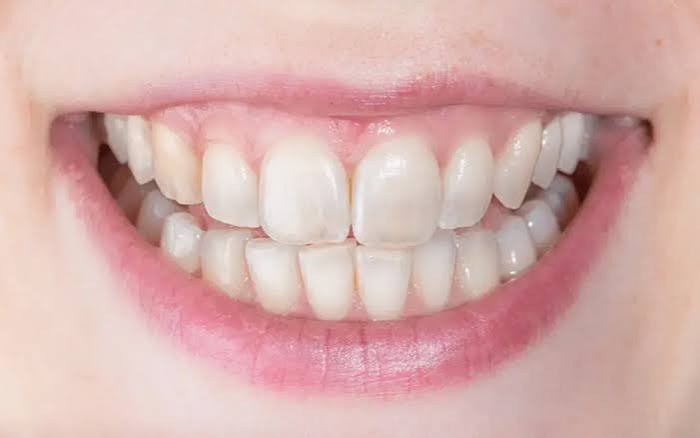
If transparency has already affected your smile, several dental treatments can restore both appearance and strength. Your dentist will recommend an option based on severity.
Bonding uses tooth-colored composite resin applied directly to the affected area. It is fast, minimally invasive, and often completed in one visit.
Bonding works best for mild to moderate transparency.
Veneers are thin shells placed over the front surface of teeth. They cover transparency and reshape the appearance of the smile.
Veneers are a popular option for more noticeable cosmetic concerns.
Crowns cover the entire tooth and are recommended for more severe enamel loss. They are especially useful when teeth are chipping or structurally weakened.
Porcelain crowns can offer a natural, tooth-like appearance.
In-office remineralizing treatments use concentrated minerals to strengthen enamel. These are often combined with fluoride varnish for added protection.
This option works best for early-stage enamel thinning.
Preventing further enamel loss is often easier than treating advanced damage. Building a few consistent habits protects your smile for years to come.
| Habit | Why It Helps |
|---|---|
| Soft-bristled brushing | Reduces mechanical wear on enamel |
| Fluoride toothpaste | Strengthens and remineralizes enamel |
| Limiting acidic drinks | Reduces chemical erosion |
| Night guard for grinding | Prevents mechanical enamel wear |
| Regular dental checkups | Catches early enamel loss |
Use a soft-bristled brush with light, circular motions. Avoid brushing immediately after acidic meals, since enamel is temporarily softer at that time.
Waiting thirty minutes after eating protects enamel from extra wear.
If you grind your teeth at night, a custom night guard reduces pressure on enamel. Many people are unaware they grind until a dentist notices the wear pattern.
This simple device can prevent years of unnecessary damage.
Routine dental visits allow early detection of enamel thinning. Your dentist can spot changes long before they become visible to you.
Early intervention often means simpler, less invasive treatment.
Some signs mean you should not wait for your next scheduled checkup. Early attention often prevents more serious complications.
| Situation | Recommended Action |
|---|---|
| Mild transparency, no pain | Mention it at your next routine visit |
| Increasing sensitivity | Schedule a dental visit soon |
| Visible chipping or cracks | See a dentist promptly |
| Pain while eating or drinking | Seek dental care as soon as possible |
Enamel hypoplasia can also affect children, sometimes linked to conditions like celiac disease or childhood illness during tooth development. Parents may notice transparency or discoloration on baby or permanent teeth.
Early dental evaluation helps manage the condition before further wear occurs.
Look for pitted, banded, or unusually thin-looking enamel on a child’s teeth. These teeth may also be more sensitive than usual.
A pediatric dentist can assess severity and recommend protective treatments.
Balanced nutrition and good oral hygiene habits support healthy enamel development. Limiting sugary and acidic snacks also helps protect young, developing teeth.
Regular pediatric dental visits catch issues early.
Beyond direct dental care, everyday lifestyle choices play a major role in enamel health. Small, consistent changes add up over time.
Dairy products, leafy greens, and foods rich in calcium and phosphorus support enamel strength. Crunchy vegetables can also help naturally clean teeth surfaces.
Balancing your diet supports both enamel and overall oral health.
Constant snacking keeps your mouth in an acidic state for longer periods. Spacing out meals gives saliva time to neutralize acid and protect enamel.
Fewer, more balanced meals often benefit enamel more than constant grazing.
If GERD, celiac disease, or another condition is contributing to enamel loss, managing it medically is essential. Treating the root cause slows further damage significantly.
Working with both a doctor and dentist gives the most complete protection.
Some people are naturally more prone to enamel erosion than others. Recognizing your personal risk factors helps you take earlier preventive action.
Those who regularly consume soda, citrus, wine, or sports drinks face higher exposure to enamel-weakening acids. Frequency matters more than occasional indulgence.
Spacing out acidic foods reduces cumulative damage significantly.
Individuals with GERD, celiac disease, or frequent vomiting face ongoing acid exposure in the mouth. This makes enamel erosion more likely over time.
Managing the underlying condition is a key part of protecting enamel.
Bruxism often happens during sleep, so many people are unaware they do it. A partner or dentist may notice the signs before the person does.
A dental exam can confirm grinding through visible wear patterns.
Enamel naturally thins with decades of use, chewing, and acid exposure. This makes transparency more common and more noticeable in older adults.
Extra care with prevention becomes more important with age.
Transparent edges are sometimes confused with other types of tooth discoloration. Knowing the difference helps you describe the issue accurately to your dentist.
| Condition | Appearance | Common Cause |
|---|---|---|
| Transparent edges | Glassy, see-through biting edge | Enamel erosion |
| Yellowing | Overall yellow tone | Enamel thinning, staining, aging |
| White spots | Chalky white patches | Early decay or fluorosis |
| Gray or brown spots | Localized dark discoloration | Decay or old fillings |
Transparency specifically relates to enamel thinness at the edge, while other discoloration types often involve staining or decay. A dentist can distinguish between these during an exam.
Several misconceptions exist around transparent teeth. Clearing these up helps you make better decisions about your dental care.
Enamel erosion is often linked to diet, medical conditions, or genetics, not just brushing habits. Even people with excellent oral hygiene can develop transparent edges.
Hygiene is one factor among several, not the only cause.
Whitening only changes surface color and does not address enamel thickness. In some cases, whitening can even highlight transparency rather than reduce it.
Cosmetic bonding or veneers are more effective for this specific concern.
While more common with age, transparent teeth can appear in young adults and even children due to diet, grinding, or genetic conditions. Age is a risk factor, not a requirement.
Anyone can develop enamel erosion under the right conditions.
Combining several small habits creates the strongest long-term protection. Consistency matters more than intensity.
| Time | Habit |
|---|---|
| Morning | Brush gently with fluoride toothpaste |
| After acidic meals | Rinse with water, wait before brushing |
| Throughout the day | Stay hydrated, limit snacking frequency |
| Night | Wear a night guard if you grind your teeth |
| Every six months | Visit your dentist for a checkup |
Following a simple routine like this takes only a few minutes each day. Over months and years, it meaningfully reduces the risk of further enamel loss.
Keeping a simple record of changes helps you and your dentist spot progression early. Note any new sensitivity, transparency, or visible changes as they appear.
Record the date you first noticed transparency, along with any sensitivity or discomfort. Take a photo every few months to compare changes over time.
This makes it easier to describe changes accurately at your next dental visit.
Bring notes about your diet, medications, and any digestive symptoms to your appointment. This context helps your dentist identify the most likely underlying cause.
The more detail you provide, the more targeted your treatment plan can be.
| Detail to Note | Why It Helps |
|---|---|
| When transparency first appeared | Helps establish a timeline |
| Diet and drink habits | Identifies acidic exposure |
| Digestive symptoms | Flags possible GERD or celiac links |
| Grinding or clenching habits | Flags possible bruxism |
| Current medications | Flags dry mouth or enamel-related side effects |
Sudden transparency usually points to enamel erosion from acidic foods, acid reflux, or grinding. A dental checkup can confirm the exact cause.
It is a sign of enamel loss, which can lead to sensitivity and further damage if untreated. Early attention prevents more serious complications.
Remineralization can strengthen remaining enamel, but it cannot restore lost enamel. Cosmetic treatment is needed to fully restore appearance.
Yes, aggressive brushing or hard-bristled brushes can physically wear down enamel. Switching to gentle brushing helps prevent further loss.
Yes, stomach acid reaching the mouth from GERD can erode enamel over time. This is especially common during sleep.
No, hypoplasia is a genetic condition causing underdeveloped enamel from birth. Erosion is gradual wear caused by acid or friction later in life.
Limit citrus fruits, soda, wine, and vinegar-based dressings. Reducing frequency of exposure matters as much as quantity.
Veneers cover transparency effectively but may need replacement after many years. They do not restore natural enamel underneath.
Yes, especially due to enamel hypoplasia linked to genetics or conditions like celiac disease. Early pediatric evaluation is recommended.
Routine checkups every six months help catch enamel loss early. More frequent visits may be needed if you have a known risk factor.
Why are my teeth transparent comes down to one core issue in almost every case: enamel erosion. This can result from acidic foods, acid reflux, grinding, genetic conditions, or certain medications.
While lost enamel cannot regenerate, remineralization and protective habits can slow or stop further damage. Fluoride toothpaste, gentle brushing, and a balanced diet all support stronger enamel.
Watching for signs of enamel loss in 2026, like increased sensitivity, yellowing, or rough edges, helps you act early. Cosmetic treatments like bonding, veneers, or crowns can restore both strength and appearance when needed.
If you have noticed transparency at the edges of your teeth, schedule a dental checkup soon. Early action gives you the most treatment options and the best long-term outcome for your smile.