
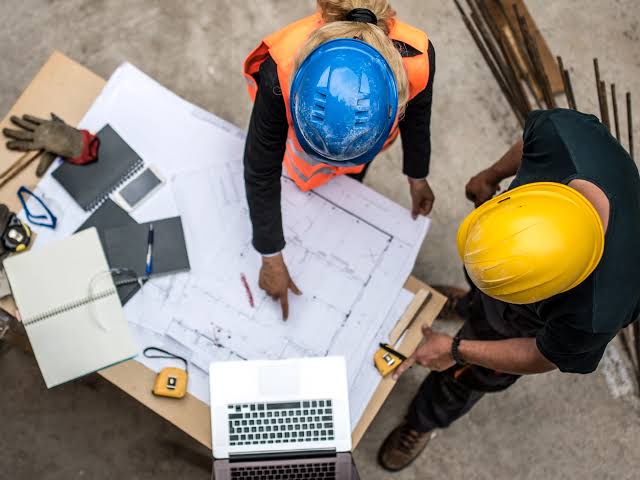
Construction projects begin with an accurate planning process that starts long before work begins. At this point, the construction takeoff is the most critical step. It decides the accuracy of the final cost, preventing underestimating and overestimating. Therefore, it enables contractors to secure a profit margin with the correct quantification of material. Searching “what is takeoff in construction” comes with a simple answer: the process of measuring and listing all materials, labor quantities, and resources needed to complete a construction project. It ensures reliable cost and the required budget.
Construction takeoff involves the review of project drawings and specifications for the quantification of materials. For this purpose, a professional estimator examining blueprints can calculate the exact requirements of concrete, steel, lumber, drywall, roofing materials, wiring, piping, and other necessary components.
Accurate takeoff helps contractors make informed decisions and avoid costly mistakes. This step is the foundation of budget accuracy for every kind of construction project. This is why professional takeoff is necessary;
Typically, estimators do construction takeoffs for general contracting and subcontracting firms. These estimators calculate material, labor, and equipment costs. At this point, accuracy decides whether the bid is competitive in the market or not. Generally, estimators get help from their previous experience and project requirements. In addition, larger firms have a large number of dedicated estimators who quantify the scope they specialize in.
A typical construction takeoff includes some fundamental components. However, the list of takeoffs may vary depending on project requirements. For standard takeoff, an estimator includes;
The type of construction depends on the kind of construction project. Most common construction takeoffs include;
For residential estimating services, residential takeoff is used. The most famous residential projects are: single-family homes, apartments, townhouses, renovations, home additions, and more. The estimators ensure safe living and luxury for every level with a list of all required components.
Commercial projects are larger and more complex than residential ones. These include office buildings, shopping centers, schools, hospitals, hotels, and similar other buildings. Commercial estimating services ensure a detailed takeoff of all the systems for commercial buildups.
Trade contractors require specific takeoffs such as electrical systems, plumbing systems, HVAC systems, masonry work, roofing work, and beyond. The level of depth and accuracy ensures perfection in the final cost.
Digital takeoffs ensure more accurate quantification than manual takeoffs. No doubt, manual takeoffs have their own advantages, but they have some limitations too.
Manual takeoff cones with low software costs and a familiar process for experienced estimators. However, it needs more time with a higher risk of errors. In addition, updates and revisions are difficult.
Digital software with specialized takeoff software is faster, more accurate, and easier for collaboration. Moreover, revisions are easy with overall improved status. Therefore, most estimators use digital software for professional quantification.
Every estimator faces some common challenges that make takeoff difficult. These issues include;
No doubt, these challenges are common, but they can be avoided with the help of professional services.
The step by step process of measuring and calculating all materials, labor quantities, and resources is called construction takeoff. If the quantification and calculation are flawless, the final estimation would be accurate. All kinds of projects, such as residential, commercial, and industrial units, depend on construction takeoff services for accuracy. With professional services, a contractor gets a competitive and reliable bid.
Professional construction takeoffs need project drawings, maps, and specifications.
Yes, strong planning and budgeting are needed for small projects too. Because it improves the quality of results.
Yes. Mistakes in takeoffs lead to budget overruns, delays, material shortages, and ultimately loss.