
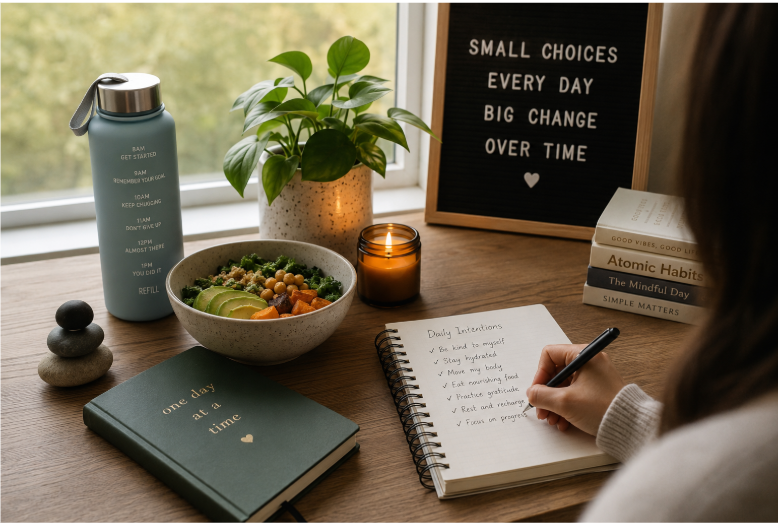
When people hear the word wellness, they often picture healthy meals, regular workouts, or occasional self-care days. While those things certainly matter, lasting wellness goes much deeper. It’s built through the small decisions we make every day—the routines we create, the relationships we nurture, and the habits we choose to keep even when life becomes challenging.
Long-term wellness isn’t something that happens overnight. It’s an ongoing commitment that evolves as our lives change. Whether someone is recovering from a major life challenge, managing stress, or simply working toward a healthier lifestyle, consistency often matters more than perfection.
Many people approach wellness as a goal they hope to achieve someday. They promise themselves they’ll start once work slows down, when the new year begins, or after life becomes less hectic. Unfortunately, that perfect moment rarely arrives.
The truth is that wellness grows through ordinary moments. Every healthy choice, no matter how small, contributes to a stronger foundation. Drinking enough water, getting adequate sleep, taking a short walk, or choosing a nutritious meal may seem insignificant on their own, but together they create meaningful change over time.
Viewing wellness as a daily practice removes the pressure of chasing perfection. Instead of worrying about setbacks, people can focus on returning to healthy habits one day at a time.
Major transformations are often the result of small, repeated actions. Building sustainable habits is far more effective than relying on motivation alone.
Simple daily habits may include:
These routines become easier with repetition, gradually shaping a healthier lifestyle that feels natural instead of forced.
Physical health often receives the most attention, but emotional well-being plays an equally important role in long-term wellness.
Stress, anxiety, burnout, and emotional exhaustion can quietly affect every part of life. Ignoring these challenges may eventually impact physical health, relationships, and productivity.
Developing emotional resilience doesn’t require eliminating every stressful situation. Instead, it involves learning healthy ways to respond when difficulties arise.
Some effective practices include:
Mental wellness isn’t about feeling happy all the time. It’s about developing the ability to navigate life’s ups and downs with greater balance and self-awareness.
Our surroundings influence our daily decisions more than we often realize. A supportive environment can make healthy choices easier, while a stressful or chaotic one can create unnecessary obstacles.
This includes both physical and social environments.
Keeping nutritious foods readily available, maintaining organized living spaces, and creating areas dedicated to relaxation can encourage healthier routines. Likewise, surrounding yourself with positive, encouraging people helps reinforce long-term wellness goals.
When people feel supported rather than judged, they are often more likely to stay committed to positive change.
For individuals rebuilding their lives after substance use, structure becomes especially valuable. Establishing healthy routines provides stability during periods of transition and uncertainty.
Programs such as residential addiction treatment often emphasize consistent daily schedules because routines help reduce stress, encourage accountability, and provide opportunities to develop healthier coping skills. While every recovery journey is unique, many people discover that structured habits remain valuable long after formal treatment has ended.
These routines may include regular exercise, balanced nutrition, therapy sessions, personal reflection, community involvement, and maintaining healthy sleep schedules. Over time, these daily practices become part of a sustainable lifestyle rather than temporary requirements.
Human connection is one of the strongest contributors to overall well-being.
Supportive relationships provide encouragement during difficult times and create opportunities to celebrate progress together. Whether it’s family members, close friends, coworkers, mentors, or community groups, healthy relationships strengthen emotional resilience.
Building meaningful connections often involves:
Strong relationships remind us that wellness doesn’t have to be a solitary journey.
Stress is a normal part of life, but unmanaged stress can gradually affect physical and emotional health.
Rather than trying to eliminate stress entirely, it’s more realistic to develop healthier coping strategies.
Helpful stress-management techniques include:
Everyone responds differently to stress, so finding strategies that fit individual lifestyles is essential.
One of the biggest obstacles to long-term wellness is the belief that every mistake erases previous progress.
Missing a workout, eating unhealthy food, or experiencing a difficult day doesn’t undo months of healthy habits. Setbacks are a natural part of personal growth.
Instead of viewing challenges as failures, they can become opportunities to learn what works and what needs adjustment.
Long-term wellness is built through resilience—the willingness to keep going despite imperfections.
Many people overlook their daily progress because they’re focused on larger goals.
However, small victories deserve recognition.
Examples include:
Acknowledging these moments builds confidence and reinforces positive behaviors.
There is no finish line when it comes to wellness. Needs change over time, and healthy routines naturally evolve alongside different stages of life.
Some seasons may require greater focus on physical health, while others may prioritize emotional healing, stress management, or rebuilding healthy relationships.
The important thing is remaining committed to making intentional choices each day.
True wellness isn’t defined by achieving perfection. It’s reflected in the willingness to continue growing, adapting, and caring for both body and mind.
Making long-term wellness a daily commitment begins with recognizing that meaningful change is built through consistent actions rather than dramatic transformations. Every healthy decision contributes to a stronger foundation for the future, regardless of where someone begins.
Whether the goal is improving physical health, strengthening emotional resilience, or maintaining the progress gained through residential addiction treatment, lasting wellness is supported by daily habits, supportive relationships, and the patience to keep moving forward one step at a time.
The journey may not always be easy, but the commitment to showing up each day is what creates lasting, meaningful change.